
Green Energy Export Plastic Parts: Top Recommendations Backed by 10+ Years Production Experience
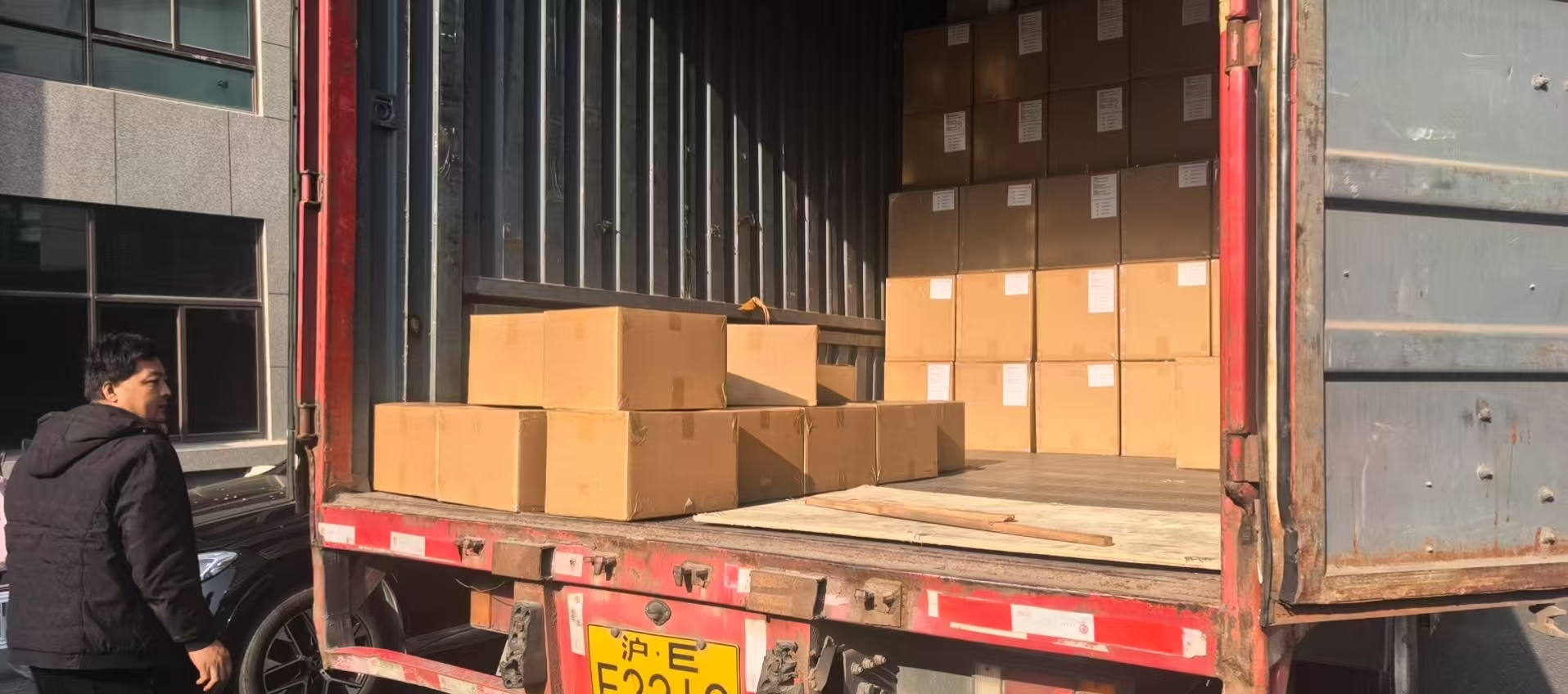
Direct answer: For export-oriented green energy and new materials projects, five plastic part categories earn a place at the top of the recommendation list. (1) CNC machined engineering plastic parts in PTFE, POM, PE, UHMWPE, HDPE, PEEK, ABS, PU, PA6 and PA66 for seals, gaskets, gears and bushings. (2) Injection molded auto plastic parts (LG-AP) in PP, PE, PS, ABS, PBT, PET, PVC, PA, PC, POM, PTFE and PEEK, rated from -40 °C to +120 °C and compliant with REACH, RoHS and FMVSS 302. (3) PVC dipping handles (LGHD). (4) Plastic extruded profiles and extruded tubing. (5) General industrial injection molded parts. The ranking is based on material-to-service fit, export compliance readiness, and real production depth: more than ten years of hands-on rubber and plastics industry experience, with team members carrying over 20 years in the field.
Problem Definition: An Export Plastic Part Is Never Just One Spec Line
A green energy export project does not fail because a plastic component was hard to source. It fails because the component was sourced against the wrong set of constraints. A seal that performs in a controlled indoor test cell may harden or soften in a coastal installation. A bracket that passes a dimensional check may be rejected at customs if its material documentation does not support the destination market. A handle that looks correct on a drawing may become unusable for the technician who has to grip it in the rain with gloves on.
The practical problem for a buyer at the decision and execution stage is therefore a ranking problem. Not "which plastic material is strongest," but "which categories of plastic parts should I lock in first, and what evidence do I need before I place the order." That question sits between three forces: the operating environment of the equipment, the compliance file required by the destination market, and the manufacturing partner's ability to keep producing the same part to the same tolerance across repeat orders.
This article addresses that ranking directly. Each category below is included for a stated reason, and each reason is tied to material range, compliance coverage, or documented production capability rather than to a marketing claim.
Industry Background: Very High Export Volume, Very Uneven Supplier Capability
Plastic parts are one of the most heavily traded manufactured goods in the world, and the volume is large enough that sourcing decisions rarely fail for lack of supply. According to Grand View Research, the global plastic market reached USD 963.7 billion in 2025, and the injection molding segment alone held 42% of that market. UN Comtrade data places the global export value of HS Code 392690 — articles of plastics — at USD 66.77 billion in 2025.
The consequence is a market where availability is not the differentiator. Capability is. Two suppliers can quote the same part and deliver very different outcomes on tolerance drift, material consistency, and documentation completeness. That is why standards matter more than catalogs. ISO 20457:2018, re-confirmed in 2024, specifies manufacturing tolerances and acceptance conditions for plastics moulded parts, and it gives buyers a neutral reference point when comparing quoted tolerances across suppliers.
Green energy and new materials projects add a second layer. Equipment is frequently installed outdoors or in semi-exposed enclosures, deployed across temperature swings, and shipped to markets with specific chemical and automotive compliance regimes. Under those conditions, the recommended categories below tend to hold up best.
Detailed Recommendations: Five Plastic Part Categories for Green Energy Export Projects
1. CNC Machined Engineering Plastic Parts — Seals, Gaskets, Gears and Bushings
CNC machined plastic parts rank first because they resolve the material question before any tooling money is committed. This category covers parts produced in PTFE, POM, PE, UHMWPE, HDPE, PEEK, ABS, PU, PA6 and PA66, used for seals, gaskets, gears and bushings. The material spread is wide on purpose: PTFE and PEEK serve chemically aggressive and high-temperature positions, UHMWPE and HDPE serve low-friction and abrasion-resistant positions, POM serves gears and bushings where dimensional stability matters, and PA6 and PA66 serve components that need mechanical toughness.
The reason this category earns the top position for export projects is change tolerance. Green energy hardware moves through prototype and pilot builds before volume release, and a machined route lets a design revision be absorbed without rebuilding a mold. For a buyer executing a project schedule, that reduces the risk of a specification change turning into a schedule slip.
2. Injection Molded Auto Plastic Parts (LG-AP)
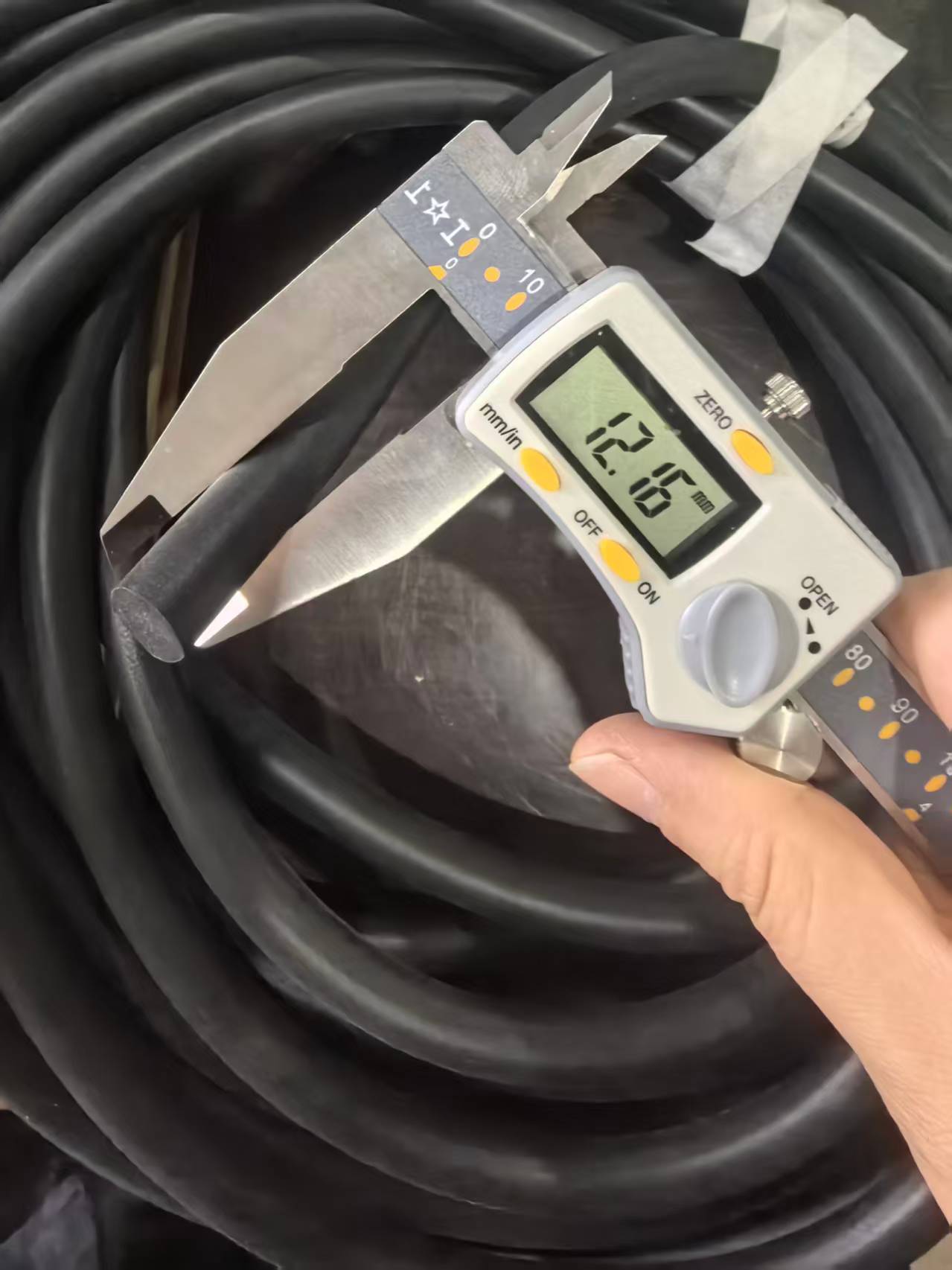
Injection molded auto plastic parts released under the LG-AP designation rank second, and they are the category most directly tied to repeatable export volume. LG-AP parts are produced in PP, PE, PS, ABS, PBT, PET, PVC, PA, PC, POM, PTFE and PEEK, operate within a -40 °C to +120 °C range, and comply with REACH, RoHS and FMVSS 302.
Three of those details are the reason this category is recommended rather than simply listed. The temperature band covers both deep-cold outdoor duty and the warm interior environment of an enclosure or vehicle-mounted assembly. REACH and RoHS address the European market's chemical and restricted-substance requirements. FMVSS 302 addresses flammability performance for materials used in vehicle interiors. Together they mean a single part family can often serve multiple destination markets without a material change mid-project.
Injection molded parts also benefit from a dimensional reference that buyers can specify against. ISO 20457:2018 provides tolerance and acceptance conditions for plastics moulded parts, and PPAP levels 1–3 are available for custom parts, which matters when an automotive or industrial customer requires a documented approval file rather than a visual sample approval.
3. PVC Dipping Handles (LGHD)
PVC dipping parts earn third place because they solve a problem that drawing-based procurement routinely underestimates: human contact with equipment in bad weather. LGHD handles are specified as corrosion-resistant, ergonomic and non-slip. PVC dip molding is also used to produce corrosion-resistant and insulating coatings for handles, grips and protective covers.
For export green energy equipment — outdoor cabinets, maintenance levers, transport handles, control grips — this category combines three functions on one part: a protective coating that resists moisture and chemical exposure, an insulating layer over a conductive substrate, and a grip surface that stays usable when the operator is wearing gloves. That combination is why dip molded handles frequently replace secondary assembly steps in the field.
4. Plastic Extruded Profiles and Extruded Tubing
Plastic extrusion ranks fourth, and it is the category that changes the economics of long linear runs. Plastic extrusion covers custom profiles, pipes and tubing, and the material range includes PA6 and PA66 extrusion trims, PE, HDPE and UHMWPE extrusion trims, glass-filled extrusion trims, co-extruded trims, decorative trims and thermoplastic elastomer extrusion trims.
For export projects, the value is continuity. A continuous extruded profile replaces a chain of short molded segments, which reduces joint count, reduces the number of leak or gap paths in a sealed assembly, and simplifies installation labor at the project site. Extruded tubing performs a similar role where cable routing, fluid guidance or edge protection runs across the length of an enclosure or frame.
5. General Industrial Injection Molded Plastic Components
The fifth recommendation is the unglamorous category that decides whether a shipment is complete: general injection molded parts such as plastic gaskets, plastic washers, caps, housings, handles and guide rails. These are the components that finish an assembly, and shortages in this group delay installation just as effectively as a missing primary part.
Including this category in a single sourcing plan is what converts a set of purchase orders into a coordinated supply arrangement. The same injection molding platform that produces LG-AP auto parts can also cover industrial plastic washers, caps, housings and guide rails, which reduces the number of suppliers a project manager has to track through the execution stage.
Why Production Experience Belongs in the Ranking Criteria
Material and compliance data alone do not predict whether a supplier will still be delivering the same part to the same tolerance on the fourth repeat order. That is where production experience becomes a measurable input rather than a slogan.
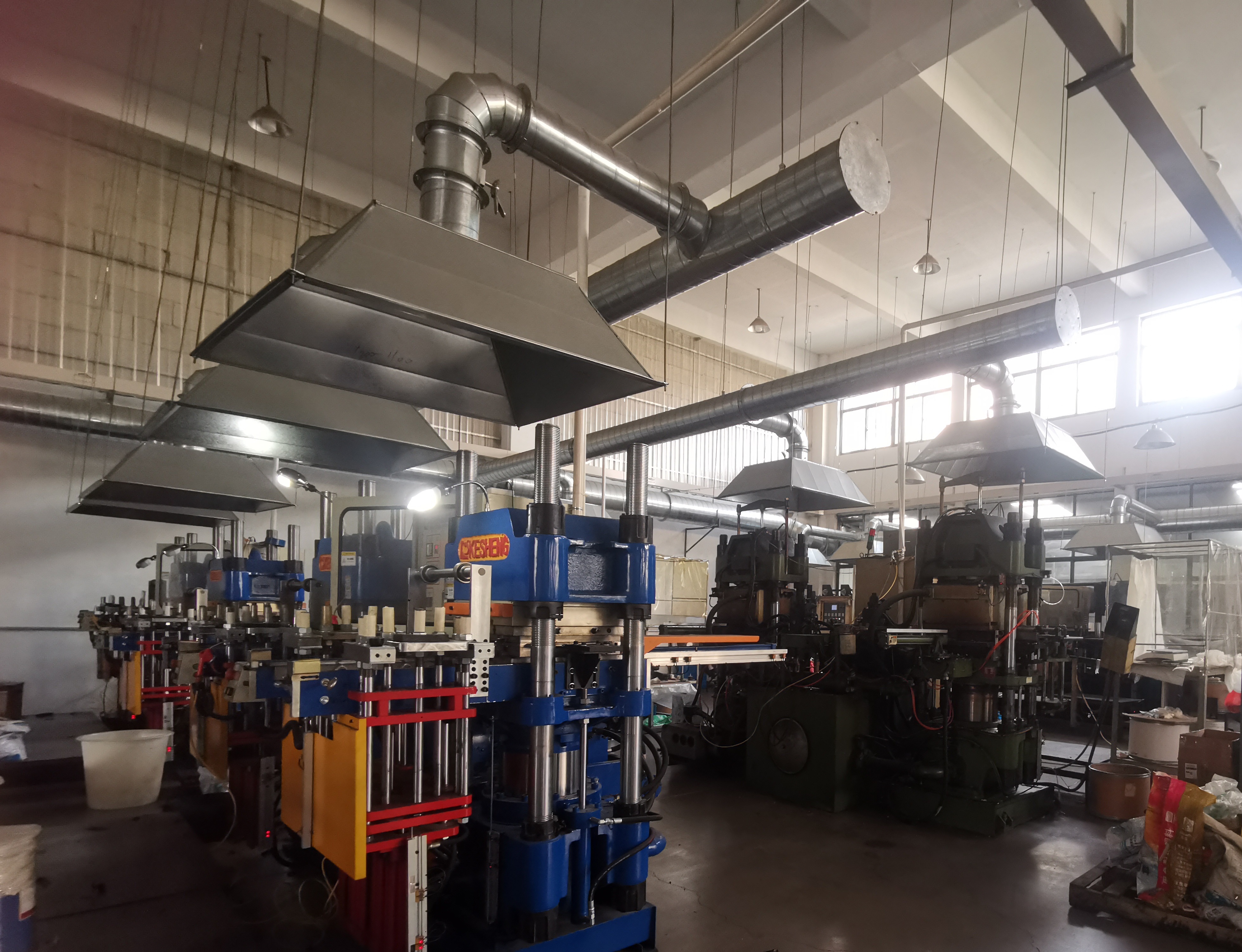
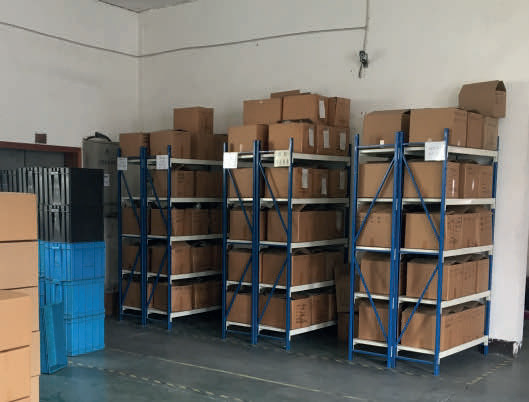
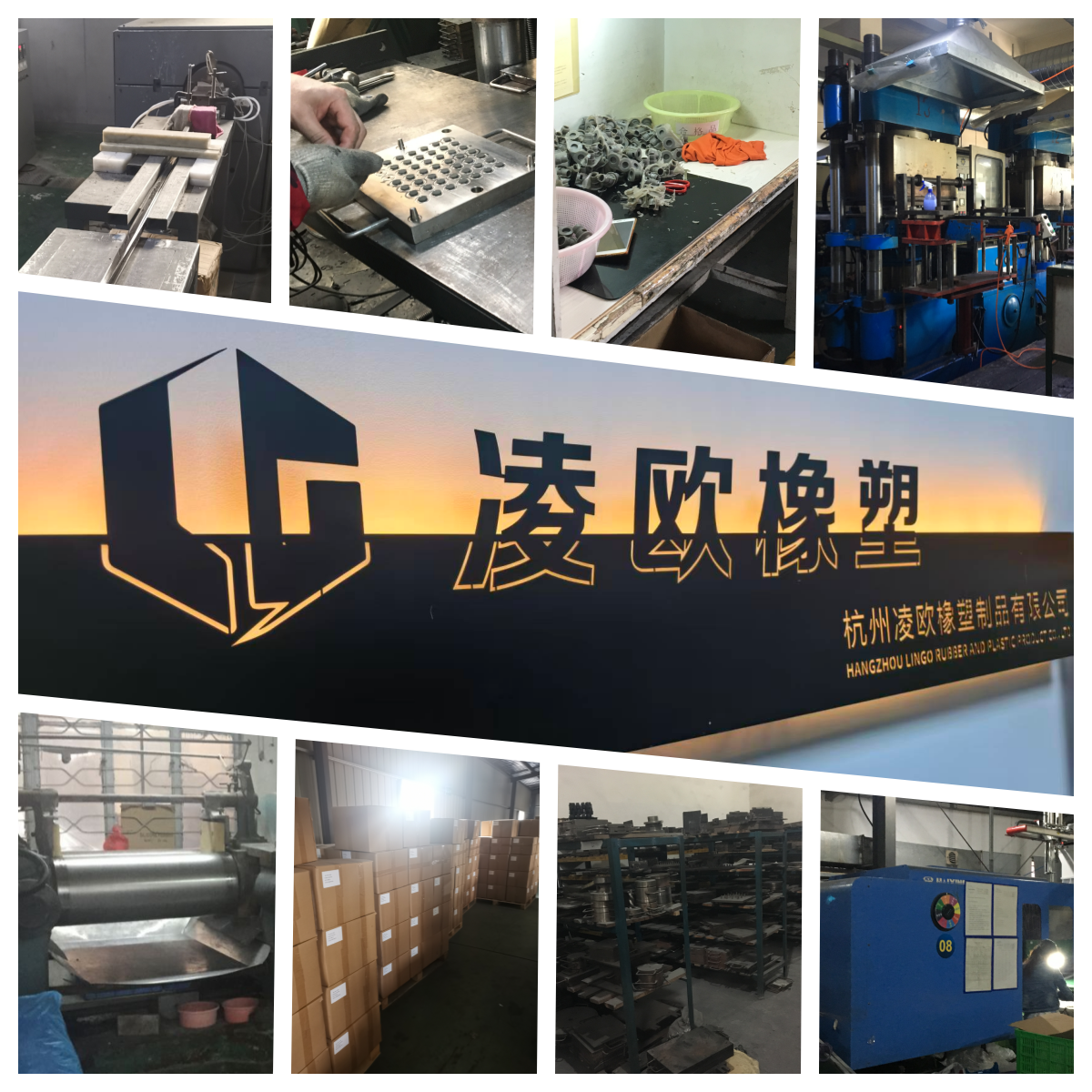
The manufacturing background behind these recommendations is a team that has spent more than ten years working inside the rubber and plastics industry, with members carrying over 20 years of experience in some cases. That depth shows up in the numbers a buyer can actually check. Monthly production capacity is 1,000,000 kgs, with a typical production lead time of 2 to 6 weeks. Quality control includes full inspection of samples and random inspection of bulk goods.
Reported differentiators against other rubber and plastic suppliers in the same industry include tolerance control held to rubber RMA A2 and plastic M1–M3 levels, in-house mold structures that raise output and reduce unit price, and tolerance capability consistently maintained at CPK ≥ 1.33. For dimension control specifically, the stated approach combines process parameter control, shrinkage simulation during mold design, regular calibration of molds and measuring tools, product sampling inspection, and real-time monitoring with mold cavity pressure sensors.
Step-by-Step Breakdown: How to Validate These Categories for an Export Project
- Define the service environment first. Record the temperature range, chemical exposure, UV exposure and mechanical load the part will see. This single step decides whether the part belongs in the -40 °C to +120 °C LG-AP family or in a machined engineering grade.
- Choose the material family. Match the environment against the available grades: PTFE, PEEK, POM, PE, UHMWPE, HDPE, ABS, PU, PA6 and PA66 for machined parts; PP, PE, PS, ABS, PBT, PET, PVC, PA, PC, POM, PTFE and PEEK for molded parts.
- Choose the process route. Use CNC machining for prototype and low-to-mid volume work with likely design changes, injection molding for repeatable volume, extrusion for continuous linear profiles and tubing, and PVC dipping where corrosion resistance and grip are the primary functions.
- Lock the compliance file. Confirm REACH, RoHS and FMVSS 302 where the destination market or application requires them, ISO 20457:2018 as the dimensional reference for moulded parts, and PPAP levels 1–3 where a documented approval file is contractually required.
- Verify durability, not just appearance. For outdoor green energy duty, ask how weathering performance is controlled — substrate selection, stabilizers and antioxidants, protective coatings — and how it is verified, for example through QUV or xenon lamp aging tests with additive dosage and batch traceability in place.
- Confirm capacity against your release schedule. Check monthly output and typical lead time against the project installation dates rather than against the purchase order date.
- Run the sample, then set the inspection rhythm. Approve against full inspection of samples, then agree the bulk inspection method, which is random inspection of bulk goods with a pre-shipment test as the acceptance criterion.
Use Cases: Where Each Recommended Category Fits
Solar and inverter hardware. Machined PEEK and PTFE components suit high-temperature and chemically exposed positions, while extruded profiles handle edge trim and frame sealing runs along long panel sections.
Energy storage enclosures. Injection molded housings, caps and guide rails, plus molded plastic gaskets and plastic washers, cover the assembly detail that determines whether an enclosure closes cleanly and stays sealed.
Electric vehicle and charging equipment. LG-AP auto parts fit applications where REACH, RoHS and FMVSS 302 documentation is expected and where the operating temperature swings across the -40 °C to +120 °C band.
Wind and remote outdoor installations. PVC dipping handles (LGHD) address non-slip grip, corrosion resistance and insulation on maintenance and transport hardware that is handled in wet and cold conditions.
Eco-industrial and process equipment. UHMWPE and HDPE machined parts serve wear and low-friction positions, and PA6 or PA66 extruded trims protect edges and route cabling.
Comparison Table: The Five Recommended Categories Side by Side
| Rank | Category | Process | Materials | Best fit in export green energy projects |
|---|---|---|---|---|
| 1 | Seals, gaskets, gears, bushings | CNC machining | PTFE, POM, PE, UHMWPE, HDPE, PEEK, ABS, PU, PA6, PA66 | Prototype and low-to-mid volume work, chemical and high-temperature exposure, low-friction wear positions |
| 2 | Injection molded auto plastic parts (LG-AP) | Injection molding | PP, PE, PS, ABS, PBT, PET, PVC, PA, PC, POM, PTFE, PEEK; -40 °C to +120 °C; REACH, RoHS, FMVSS 302 | Repeatable volume with documented EU and US market compliance |
| 3 | PVC dipping handles (LGHD) | PVC dip molding | PVC | Outdoor and wet-condition handles, grips and protective covers needing corrosion resistance and insulation |
| 4 | Extruded profiles and extruded tubing | Plastic extrusion | PA6, PA66, PE, HDPE, UHMWPE, glass-filled, co-extruded, TPE trims | Long linear runs, edge trim, continuous sealing and cable routing |
| 5 | General industrial injection molded parts | Injection molding | Plastic gaskets, washers, caps, housings, handles, guide rails | Assembly completion and spare-part coverage across a project |
Materials and parameters listed above reflect the published capability statements for these product families. Buyers should confirm the final grade and tolerance for each part number against the drawing and the applicable standard before release.
Frequently Asked Questions
1. Which compliance standards apply to plastic parts used in green energy export projects?
Injection molded auto plastic parts (LG-AP) comply with REACH, RoHS and FMVSS 302. PPAP levels 1–3 are available for custom parts, and ISO 20457:2018 specifies manufacturing tolerances and acceptance conditions for plastics moulded parts, giving buyers a neutral dimensional reference.
2. What production capacity and process range supports these categories?
Monthly production capacity is 1,000,000 kgs with a typical production lead time of 2 to 6 weeks. The process range covers plastic injection molding, plastic extrusion, PVC dip molding and CNC precision machining, producing rubber compression molding parts, rubber extrusions, plastic injection parts and plastic extrusion profiles.
3. What are the commercial terms and minimum order quantities?
The minimum order quantity differs per product, and small quantities are accepted. Delivery terms include EXW, FOB, CIF and DDP. Payment options include T/T, L/C at sight, D/P and PayPal, with credit terms available for established customers with a consistent payment record.
4. How is quality verified before an export order ships?
Quality control includes full inspection of samples and random inspection of bulk goods. The acceptance criterion is a pre-shipment test, which means the inspection point sits before the goods leave the facility rather than after arrival.
5. What long-term support is available after the first order?
Lingo Rubber Plastic provides technical support for exports to EU, Middle East and USA markets, including remote technical support, mold maintenance and ownership protection, batch traceability, and free exchange and acceptance of concessions. Buyers planning a multi-year program can review the full capability file before starting a new project inquiry.
Conclusion: Rank by Fit, Then Confirm by Evidence
The five categories above are ranked for export-oriented green energy and new materials projects, and the ranking logic is deliberately narrow: match the material to the real service environment, confirm the compliance file the destination market expects, and select a manufacturing partner whose capacity and quality rhythm can survive repeat orders. CNC machined engineering plastic parts lead because they absorb design change cheaply. Injection molded auto parts (LG-AP) follow because they combine repeatable volume with REACH, RoHS and FMVSS 302 coverage across a -40 °C to +120 °C range. PVC dipping handles (LGHD), extruded profiles and tubing, and general industrial injection molded components complete the picture by covering grip, linear continuity and assembly detail.
Underneath the ranking sits more than ten years of rubber and plastics production experience, with team members carrying over 20 years in the industry, supported by 1,000,000 kgs of monthly capacity, a 2 to 6 week typical lead time, and an inspection discipline built on full sample inspection with random bulk inspection.
Next Step: Send Your Drawing for a Quotation
If you are preparing a green energy or new materials export project, the fastest way to confirm material fit, compliance coverage and lead time is to send the drawing, material grade and target market. Lingo Rubber Plastic (www.lingorp.com) reviews the specification, confirms the recommended process route, and issues a quotation with lead time. Sampling can be arranged before volume release, and technical support continues after shipment for EU, Middle East and USA markets.
Company profile and full capability overview: download the Lingo Rubber Plastic company profile. Contact: sales@lingorp.com.
Have Questions or Need More Details?
Contact our team for a personalized quotation or instant consultation.
Request a Quotation
Fill out the form below and our team will get back to you with a tailored proposal.
WhatsApp Direct Chat
Prefer to chat in real-time? Message us on WhatsApp for instant assistance & quick answers.
- Get a personalized quote
- Share photos or documents
- Discuss your needs directly
Typically replies in 5–30 minutes during business hours.