
Green Energy Seal Leaks: Rubber Extrusion Installation Fixes
A leak that appears on the assembly line is rarely a bad batch of rubber. On green energy equipment — inverter cabinets, combiner boxes, wind converter enclosures, battery racks — most installation-stage leaks trace back to a mismatch between four things: the elastomer and the media it contacts, the hardness and the compression the housing applies, the profile and the groove it sits in, and the cut length or joint detail at corners and ends. Each of these is a specification decision that can be checked before the next build.
This guide follows the order a production engineer would use: what the leak is telling you, the five causes behind most of them, how the LG-RX rubber extrusion seal is specified against each cause, and what to inspect on the next shipment. Lingo Rubber Plastic, a rubber and plastic parts manufacturer based in Hangzhou, supplies LG-RX in EPDM, NBR, silicone and FKM, with hardness, length, colour and profile set to the drawing.
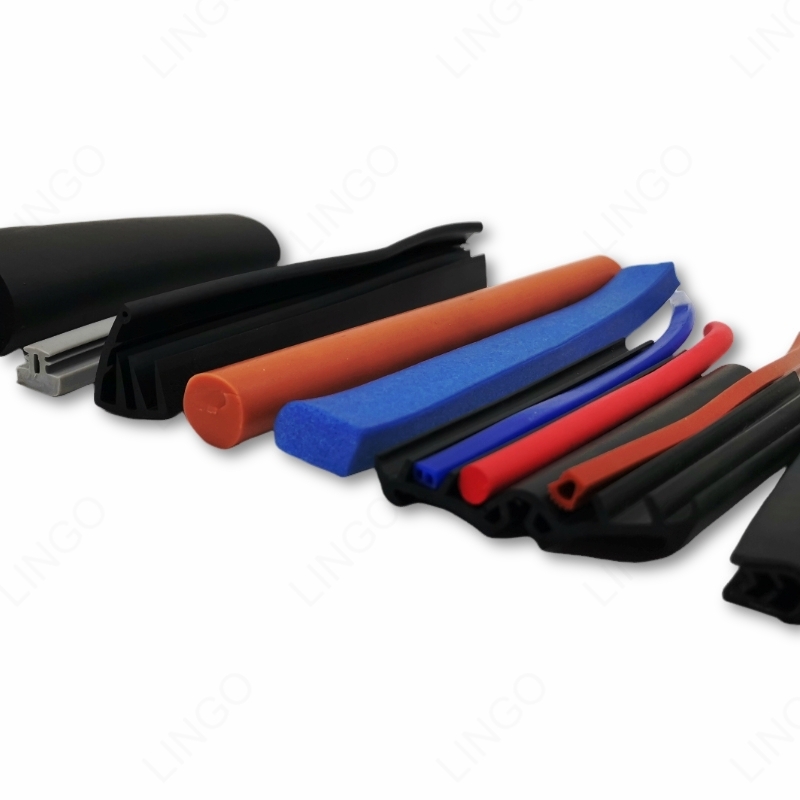 Rubber extrusion seal profiles are cut to length and fitted around cabinet doors, frames and cable entries.
What an installation-stage leak actually tells you
When the leak appears narrows the cause faster than any material datasheet. A leak found during the first fit, before the equipment has run, points at geometry: the profile does not fill the groove, the cut length is short at the corner, or the fasteners compress one side of the frame more than the other. A leak that appears after an enclosure has been in service for several weeks, or after the first outdoor temperature swing, points at the elastomer itself — compression set, hardening, or an adhesive that let go.
Record where the water shows up before changing anything. The pattern is diagnostic:
- Corner or joint only. The straight run seals, but the butt joint or mitre opens under compression. This is a length, cut-angle or joining problem, not a compound problem.
- Along one edge, worst near fasteners. Compression is uneven, or the hardness is too high for the clamping force available.
- Under the seal, along the whole perimeter. The profile section is too small for the groove, or the groove depth leaves too little interference.
- Adhesive strip lifting at the ends. Surface preparation or storage conditions defeated the adhesive backing.
- Seal cracked or flattened after a few months outdoors. The elastomer is not matched to ultraviolet, ozone or the cleaning agents used on the equipment.
Each of these has a different fix, and two of them are not fixed by changing material at all. Sorting the leak into one of these five patterns on the line is the cheapest step in the whole investigation.
Why green energy assemblies expose seal problems earlier
Green energy equipment tends to place extrusion seals in conditions that punish small specification errors. Enclosures sit outdoors under ultraviolet and ozone exposure, cycle through wide temperature swings between day and night, and get washed with detergents or solvents during maintenance. Cabinet walls are often thin, with fasteners spaced far apart, so the compression applied to a seal varies around a single perimeter. Long perimeters also mean long extrusion runs, more joints, and more chances for a cut length to drift.
The category is large enough that seal performance matters commercially, not only technically. Grand View Research valued the global gasket and seal materials market at USD 61.4 billion in 2024, and estimated rubber seals at roughly 56% of that market in 2026 — a reminder that elastomer seals, not metal or composite alternatives, are usually the working sealing element in these assemblies.
Rubber extrusion is the natural process for this geometry. A continuous profile can be produced in long lengths, cut to the perimeter, and shipped without the tooling cost of a moulded frame for every cabinet size. The trade-off is that an extrusion carries its tolerance along its whole length, and its weakest point is almost always where it is cut, joined or compressed against a corner. That is why installation-stage leaks cluster at joints and fasteners rather than in the middle of a straight run.
Five root causes behind a leaking extrusion seal
1. The elastomer does not match the contact media
EPDM is commonly chosen for outdoor exposure because it resists ozone, ultraviolet and weather. It is a poor match for mineral oil and many greases, where it can swell. NBR handles oil and grease well but is weaker outdoors. Silicone covers a wide service temperature range and stays flexible in cold conditions, with lower tear and abrasion resistance than EPDM or NBR. FKM is selected where heat and chemical exposure are the dominant risk, at a higher material cost and with tighter low-temperature limits. A seal that swells, softens or hardens is usually a media mismatch, not a defective extrusion.
2. Hardness does not match the compression available
Hardness decides how much force the seal needs before it deforms enough to close a gap. A hard compound on a thin cabinet wall with widely spaced fasteners will not conform; a soft compound under heavy clamping will over-compress and take a permanent set. LG-RX hardness is specified in Shore A as required, which means the value has to come from the drawing and the assembly, not from a catalogue default. If the leak sits near fasteners and disappears between them, hardness and compression are the first two variables to review.
3. The profile does not fit the groove
A profile that is too small leaves a gap the fastener cannot close. A profile that is too large will not seat, pushes the door or panel off its plane, and can be damaged during assembly. Groove width, groove depth and the free height of the section have to be read together. Co-extruded profiles solve a related problem: a rigid section locates the seal in the groove while a soft section does the sealing, which is useful where a plain strip tends to roll or migrate during installation.
4. Cut length, joint and end treatment
Extrusion seals are usually cut and joined rather than moulded as a closed loop. A cut that is a few millimetres short opens at the corner under compression; a cut that is long buckles and lifts. Square, clean ends matter more than most drawings admit, and a butt joint held only by compression will fail earlier than a bonded or moulded corner. When the leak is confined to the joint, the specification fix is a length tolerance, an end-cut requirement, or a change of joining method — not a new compound.
5. Batch variation, storage and adhesive condition
Two shipments of the same drawing can behave differently if mixing, cure or storage drifts. Sponge profiles are especially sensitive to compression in storage: a coil crushed in a warehouse will not recover its free height. Adhesive-backed seals lose grip when the mating surface is oily, damp or cold, or when the liner has been exposed too long. Batch-to-batch consistency is therefore a specification item, not a vague supplier quality claim — it should be backed by sample inspection records and lot traceability.
Specifying the LG-RX extrusion seal against each cause
LG-RX is a rubber extrusion seal available in EPDM, NBR, silicone and FKM, with hardness in Shore A as required, length as required, and colour matched to Pantone or RAL. The range covers solid rubber extrusion seals, sponge rubber extrusion seals, adhesive-backed seals, co-extruded seals, silicone extrusion seals and FKM extrusion seals. That spread of options is what makes the part usable across a mixed green energy programme, but only if the drawing states which option applies where.
The material decision should follow the contact media first and the outdoor exposure second. The table below reflects common industry selection logic for these four elastomers; the final choice still belongs on a drawing reviewed against the actual cleaning agents, lubricants and temperature cycle of the enclosure.
| Material | Commonly selected for | Watch for |
|---|---|---|
| EPDM | Outdoor cabinet and door seals exposed to ozone, UV and weather | Swelling where mineral oil or grease contact is possible |
| NBR | Sealing points that meet oil, grease or lubricated mechanisms | Weaker weather and ozone resistance in exposed locations |
| Silicone | Wide service temperature range and cold-weather flexibility | Lower tear and abrasion resistance; check contact with oils |
| FKM | Heat and chemical exposure | Higher material cost and tighter low-temperature flexibility |
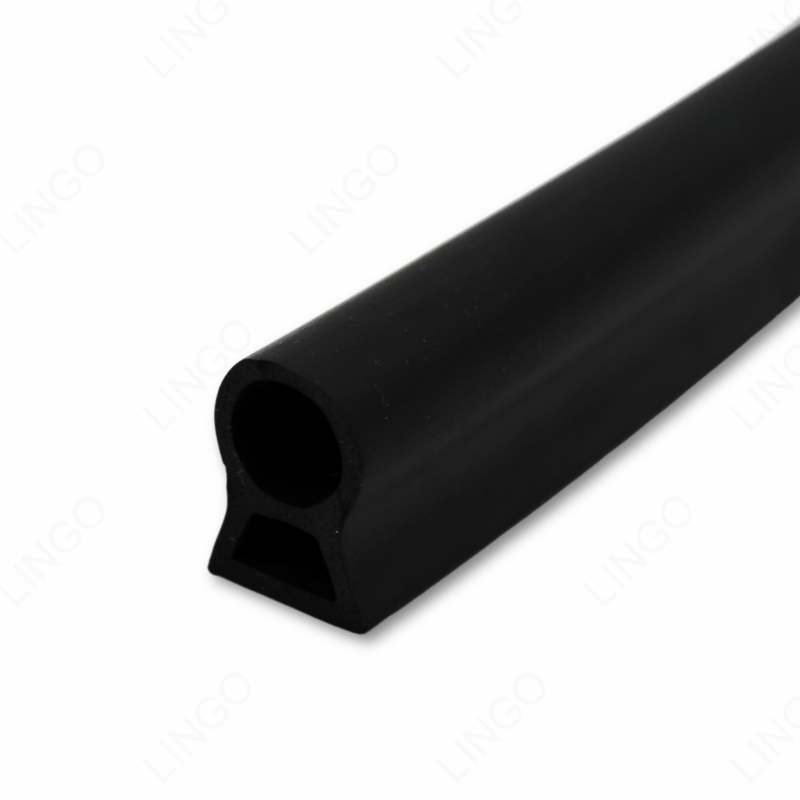 Solid and sponge sections behave differently under compression and should not be substituted without reviewing the groove.
Hardness deserves its own line on the drawing rather than a note such as "as usual". State the Shore A value, the acceptable tolerance, and the compression the assembly actually applies. Where the cabinet wall is thin, a softer compound or a sponge section may close the gap more reliably; where the seal is exposed to edge loading or panel movement, a harder, solid section resists extrusion better. The two directions pull against each other, which is why the value should come from the assembly, not from a preference.
Length and colour are customisation points that affect installation more than buyers expect. Length as required allows a profile to be supplied to the perimeter or to a defined cut schedule, which reduces site waste and joint count. Colour to Pantone or RAL matters where the seal is visible on a finished enclosure, and it also makes it easy to confirm at goods-in that the correct compound was supplied for a given cabinet model. Tolerance follows industry standards, so any dimension that controls fit — section height, groove engagement, cut length — needs to be marked as critical on the drawing rather than left to a general note.
A step-by-step installation leak investigation
Work through these steps in order. Each one either eliminates a cause or produces a measurement that can be put on the drawing, which is what stops the same leak returning on the next build.
- Map the leak. Mark the exact location on a perimeter sketch: corner, joint, fastener zone, or full run. Photograph the seal in place before disassembly.
- Measure the groove, not just the seal. Record groove width and depth and the free height of the section. Compare both against the drawing, not against the previous supplier's part.
- Check compression at the fasteners. Note fastener spacing and whether the panel deflects. Uneven compression is a housing issue that no compound change will fix.
- Inspect the cut and the joint. Look for short cuts, angled ends, gaps at the butt joint, and any sign that the seal lifted before clamping.
- Confirm the contact media. List every cleaner, lubricant and process fluid the seal meets during assembly and maintenance. Match this list to the elastomer.
- Review the attachment method. If the seal migrated, consider an adhesive-backed or co-extruded profile instead of a plain strip.
- Verify the batch. Compare the failed parts with the incoming inspection record and lot number. If the record does not exist, that is the finding.
- Lock the change. Update the drawing with hardness, material, critical dimensions, cut length and joint requirement, then approve a first article against it.
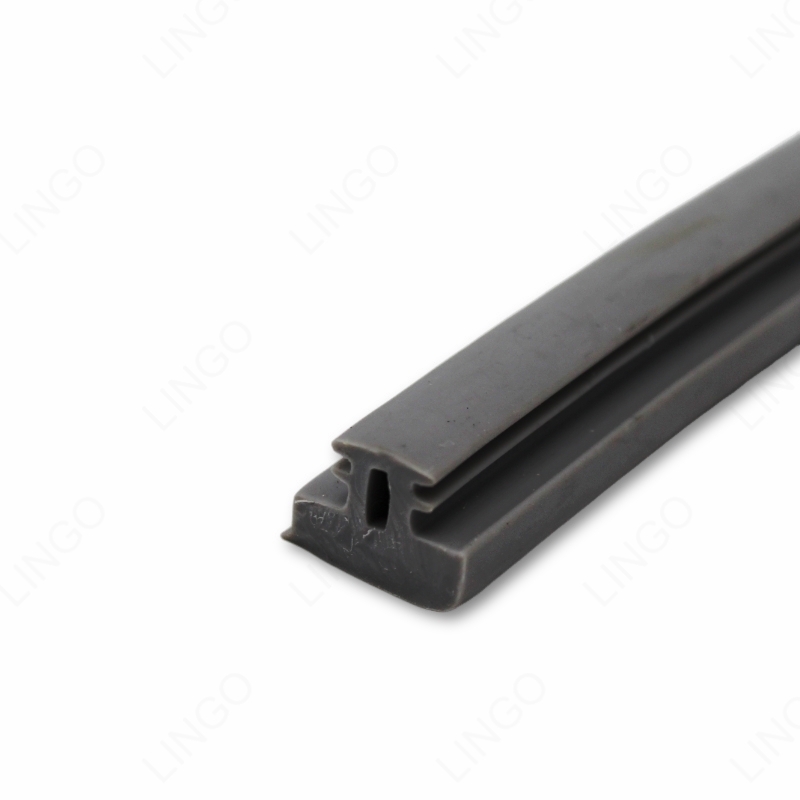 Comparing the section against the groove is more reliable than comparing it against a previous part number.
From root cause to specification: a practical mapping
The table below connects what the line sees with what the drawing should say. It is a starting point for the engineering change, not a substitute for measuring the actual assembly.
| What the line shows | First check | Specification action |
|---|---|---|
| Water at corners only | Cut length and end squareness against the perimeter | Add a cut-length tolerance and an end-cut requirement; review the joining method |
| Leak along a straight run under load | Groove depth and section free height | Change section size or hardness to match available compression |
| Seal rolls or migrates during fitting | Groove shape and installation sequence | Move to a co-extruded locating profile or an adhesive-backed seal |
| Seal hard, cracked or flattened after service | UV, ozone and cleaning agent exposure | Re-select elastomer, typically toward EPDM or silicone for outdoor duty |
| Seal swollen or soft | Oil, grease or solvent contact | Re-select elastomer toward NBR or FKM where the media requires it |
| Inconsistent fit between shipments | Incoming inspection and lot records | Require sample inspection records, bulk random inspection and lot traceability |
Where these seals are used in green energy equipment
Extrusion seals appear wherever a green energy enclosure has to keep water and dust out of a cavity that opens for service. Typical positions include inverter and converter cabinet doors, combiner and junction box lids, battery rack panels, cable entry plates, and the interface between a cabinet frame and a removable cover. In each case the seal is compressed by a latch, a screw line or a hinged door, and the compression is rarely uniform around the perimeter.
That pattern explains why the same profile can work on one cabinet model and leak on another built to a similar drawing. A door with a single latch concentrates compression near the latch and leaves the far corners lightly loaded; a screw-fixed cover spreads load but can distort a thin panel between fasteners. For lightly loaded corners, a sponge section or a softer solid compound conforms more easily. For panels that move or vibrate in service, a solid section with higher hardness holds its position better. Matching the section to the closure, rather than to the enclosure category, is the practical rule.
Production consistency, inspection and export delivery
A specification only holds if every shipment meets it. Lingo Rubber Plastic was founded in 2022, operates a 3,000 m² factory with around 40 employees and a 10-person R&D team, and exports about 80% of its output, mainly to the EU and USA. Its rubber extrusion programme runs as OEM/ODM work with a stated lead time of 2 to 6 weeks, and quality control is built around full inspection of samples and random inspection of bulk goods, supported by a batch traceability system and pre-shipment testing before release.
That inspection structure matters most at the two points where extrusion seals fail commercially: the first article, where the drawing is proved, and the repeat order, where drift appears. Full inspection of samples catches a wrong hardness or a short cut before a production run. Random inspection of bulk goods catches the gradual change that a single good sample will not reveal. Batch traceability is what makes a field complaint actionable, because it links a failed seal back to a material lot and a production date instead of a general claim about quality.
Export experience is worth checking in the same concrete terms. Lingo's US automotive OEM repeat-order case illustrates the discipline on a different part family: an OEM placing orders of 10,000 to 40,000 pieces several times a year on a small part with tight tolerances, where batch-to-batch consistency was a named requirement and existing mould sets were adapted by machining a single middle plate rather than building a new mould. That part is a vibration and shock component rather than an extrusion seal, so it should be read as evidence of production consistency and export handling, not as a seal performance benchmark. The transferable points are the tolerance discipline, the repeat-order relationship and the willingness to work with existing tooling to limit initial investment.
Commercial terms are usually the last thing an engineer checks and the first thing a procurement team asks about. MOQ is set according to the part, and small quantity orders are acceptable, which allows a trial run before a programme commitment. Payment can be arranged by T/T, L/C or D/P, and delivery under EXW, FOB, CIF or DDP depending on the destination and the buyer's preference. For customs planning, vulcanised rubber gaskets, washers and seals generally fall under HS 4016.93, so the classification should be confirmed against the final part description before the first shipment.
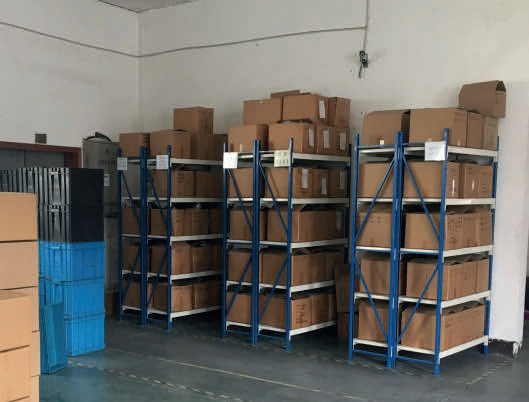 Stock holding and lot identification support repeat orders and field traceability.
Buyers who need the full capability picture, including product families beyond extrusion seals, can review the Lingo Rubber Plastic company profile before shortlisting.
Frequently asked questions
How do I evaluate a custom rubber parts manufacturer for New Materials applications?
Check four things that can be evidenced rather than described. First, process fit: does the supplier actually run the process your part needs, such as rubber extrusion, compression moulding or plastic injection? Second, material coverage: can it supply the elastomers your application requires, in this case EPDM, NBR, silicone and FKM, with hardness specified in Shore A? Third, inspection: full inspection of samples, random inspection of bulk goods and lot traceability are the mechanisms that protect a repeat order. Fourth, export handling: confirmed export markets, a stated lead time and clear payment and delivery terms. Lingo Rubber Plastic works as an OEM/ODM supplier with a 2 to 6 week lead time and roughly 80% of output exported to the EU and USA.
Which elastomer should I specify for an outdoor green energy enclosure seal?
EPDM is the usual starting point for outdoor cabinet and door seals because it resists ozone, ultraviolet and weather. It is not the right choice where the seal also meets mineral oil or grease, since it can swell; NBR is better for oil contact but weaker outdoors. Silicone is selected where a wide service temperature range or cold-weather flexibility matters, accepting lower tear and abrasion resistance. FKM is used where heat and chemical exposure dominate, at higher cost. A single enclosure can need more than one answer if the door seal and an internal oil-contact seal sit in the same assembly.
Why does the leak appear at corners and joints but not along the straight run?
The straight run is controlled by the extruded section, while the corner is controlled by cut length, end squareness and the joining method. A cut that is slightly short opens under compression; a cut that is long buckles and lifts. If the seal is joined on site, the quality of that joint depends on the installer as much as on the part. The specification fix is to state a cut-length tolerance and an end-cut requirement, and to decide whether the corner should be bonded, butt-jointed or supplied as a pre-formed corner.
Can I run a small trial batch before committing to a production order?
Yes. MOQ is set according to the part and small quantity orders are acceptable, which is the practical way to prove a new profile on the line before a programme commitment. A trial batch is also the right moment to confirm hardness, cut length and joint detail against the actual cabinet, because those three variables cause most installation leaks. Sharing the profile drawing, the groove dimensions and the assembly method with the supplier at quotation stage gives a more useful first article than a part number alone — Lingo Rubber Plastic reviews these details at sales@lingorp.com and on +86 18358136245.
Conclusion
An installation-stage seal leak on green energy equipment is usually a specification gap rather than a production defect. The durable fix is to record where the leak appears, check the groove and the compression before changing material, and then write the answer onto the drawing: elastomer matched to the contact media, hardness matched to the available compression, a profile that fits the groove, and a cut length and joint method that hold at the corners.
LG-RX gives that specification somewhere to land, with EPDM, NBR, silicone and FKM options, Shore A hardness as required, solid, sponge, adhesive-backed and co-extruded constructions, custom length and Pantone or RAL colour. Combined with sample inspection, bulk random inspection, lot traceability and a 2 to 6 week lead time, it turns a recurring line problem into a documented, repeatable part. More detail on the manufacturer behind it is available at Lingo Rubber Plastic.
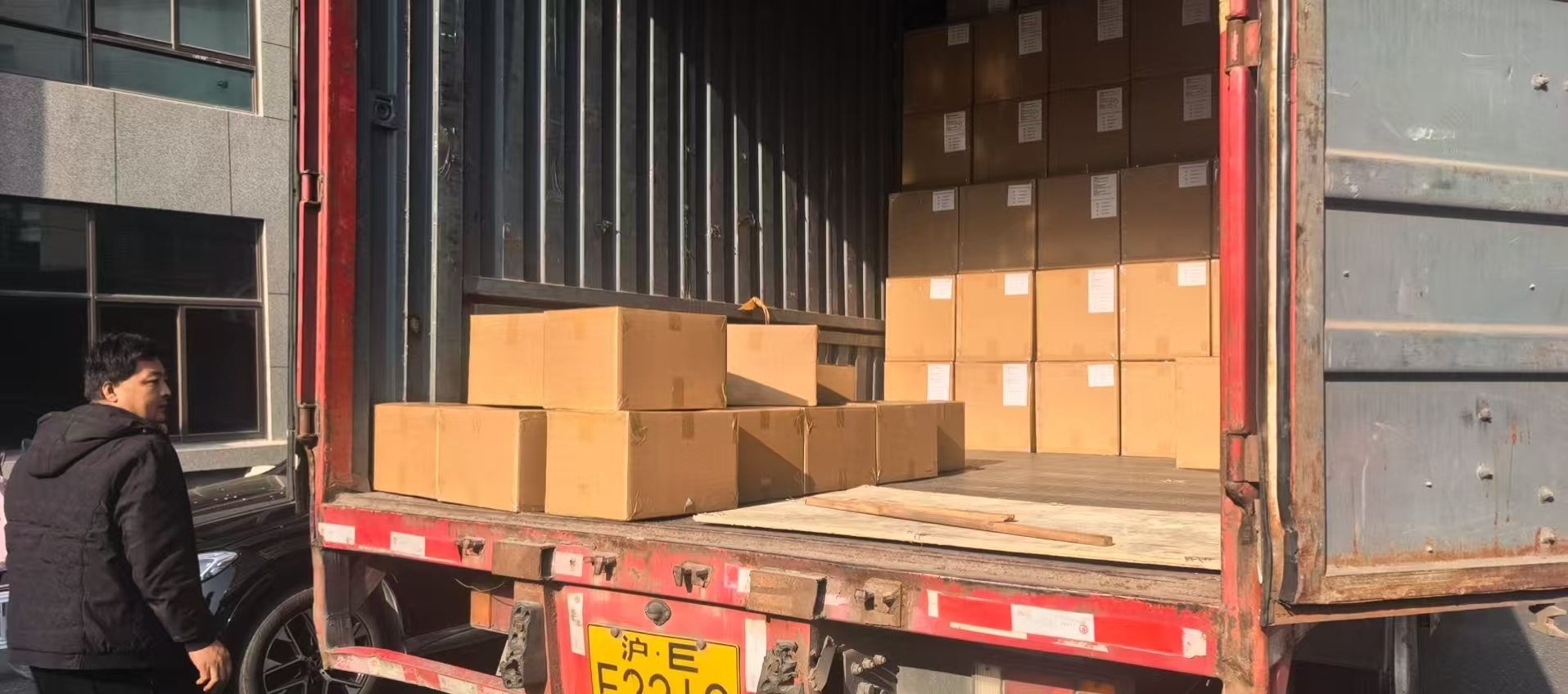 Export packing for repeat green energy programmes, with delivery available under EXW, FOB, CIF or DDP.
Have Questions or Need More Details?
Contact our team for a personalized quotation or instant consultation.
Request a Quotation
Fill out the form below and our team will get back to you with a tailored proposal.
WhatsApp Direct Chat
Prefer to chat in real-time? Message us on WhatsApp for instant assistance & quick answers.
- Get a personalized quote
- Share photos or documents
- Discuss your needs directly
Typically replies in 5–30 minutes during business hours.