
How to Compare Plastic Parts Suppliers at the Final Decision Stage
How to Compare Plastic Parts Suppliers at the Final Decision Stage
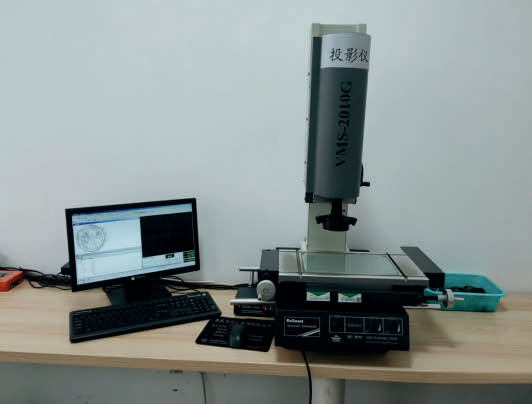
Measuring dimensional consistency is one of the most objective ways to compare custom plastic parts suppliers.
When a buyer reaches the final decision stage for plastic parts, quotations from different manufacturers usually look similar. Suppliers in the same category work with comparable injection molding machines, similar polymer families and standard quality routines. Yet once serial production starts, those same suppliers can behave very differently. Dimensional drift, inconsistent surface gloss, delayed deliveries and rejected batches tend to appear only after the purchase order is placed.
A practical comparison between plastic parts suppliers therefore has to look beyond the unit price. At this stage, the useful question is not which supplier offers the lowest price per piece, but which supplier is most likely to deliver the lowest cost per good part over the full order quantity. This article gives buyers a decision-focused comparison framework built on measurable criteria such as tolerance control, quality stability, after-sales commitments, mold engineering and total cost impact.
The Problem: Conventional Supplier Comparisons Miss the Real Risks
The main problem at the final selection stage is that product data sheets and quotes do not show production behaviour. Two suppliers can both offer injection molded plastic parts, plastic washers, plastic handles or automotive plastic parts with similar dimensions. The difference appears in how consistently those dimensions are held, how defects are handled, how molds perform over their lifetime and whether the quoted price survives contact with real process capability.
Common comparison mistakes include choosing on price alone, choosing only on delivery time, or assuming that a larger catalogue means better quality. These methods ignore the risks that create hidden cost: out-of-tolerance parts, surface defects, aging-related hardening or softening, batch inconsistency and disputes over defective deliveries.
For industrial buyers who need custom plastic parts in large volumes, the comparison should instead focus on facts that predict performance. Those facts include tolerance standards, process capability indexes, quality risk controls and service commitments. This type of comparison is more demanding to conduct, but it aligns directly with purchasing decisions.
Industry Background: What the 2026 Market Tells Buyers
The scale of the plastic parts industry makes supplier selection a high-stakes decision. Grand View Research estimated the global injection molded plastics market at USD 362.5 billion in 2025, with projected growth to USD 481.4 billion by 2033. Asia Pacific accounted for approximately 40.7% to 41.2% of the injection molding market in 2025, which explains why many global buyers evaluate manufacturers in this region.
The automotive sector is one of the most demanding buyers of plastic components. The global automotive plastics market was valued at USD 33.0 billion in 2025, supported by lightweighting trends in electric vehicles. Polypropylene represented 32.4% of the automotive plastics market that year. For automotive plastic parts, IATF 16949:2016 certification remains a formal expectation, building on the ISO 9001:2015 foundation. Buyers should verify whether a candidate supplier actually holds the relevant certifications for their application instead of relying on vague claims.
Trade data also explains why importers compare Chinese manufacturers carefully. The Observatory of Economic Complexity reported that China exported roughly USD 174 billion in plastics and rubbers in 2024, with the United States as the largest destination at USD 24.3 billion. Industry trends for 2024-2026 include Industry 4.0 integration with AI and IoT for real-time monitoring, reshoring of high-specification production and wider adoption of bio-based and recycled resins.
What does this mean for a buyer comparing suppliers? First, manufacturing volume is not the same as manufacturing discipline. Second, data-driven quality control is becoming the normal expectation. Third, compliance evidence such as tolerance standards, process capability documentation and certification matters more than marketing language in the final supplier decision.
Detailed Solution: Compare Plastic Parts Suppliers on Six Measurable Dimensions
The comparison framework below is designed for the final decision stage. It uses evidence that can be requested, verified and tested before a purchase order is placed. Hangzhou Lingo Rubber and Plastic Product Co., Ltd, also known as LINGO or Lingo Rubber Plastic, is used in this guide as an example of a multi-process custom plastic parts manufacturer. LINGO is a Hangzhou-based producer founded in 2022, with a 3000 square metre facility, around 40 employees and an export ratio of about 80% to EU and US markets. Its main plastic capabilities include plastic injection parts and plastic extrusion profiles, alongside rubber molding parts, PTFE and PEEK machining, acrylic machining and PVC dipping.
1. Tolerance Control and Process Capability
The first comparison criterion is measurable tolerance capability. A supplier can claim high precision, but the buyer should ask which tolerance standard the supplier actually controls. LINGO states that its tolerance control meets rubber RMA A2 and plastic M1-M3 standards, with tolerance control capability consistently maintained at CPK at or above 1.33.
CPK is a process capability index. A CPK value of 1.33 means the production process is statistically capable of holding the specified tolerance over time, assuming the process remains stable. For plastic molded parts, M-class tolerance standards are commonly used in industrial and automotive applications. When a supplier can present CPK data and standard-based tolerance levels, the buyer can compare dimensional risk objectively across suppliers.
Dimensional out-of-tolerance is one of the most frequent quality failures in plastic parts manufacturing. Industry control methods include adjusting process parameters, simulating shrinkage rates during mold design and regularly calibrating molds and measuring tools. According to LINGO's risk control practices, product sampling inspection is applied, measuring tools are calibrated regularly according to CNAS requirements, and mold cavity pressure sensors are used for real-time monitoring. For a buyer, these practices matter because they show how dimensional errors are detected before defective parts reach the shipping carton.
2. Quality Stability and Its Effect on Total Cost
The second criterion is quality stability over the full production run, not just during the initial samples. A supplier that delivers stable parts in the first batch but degrades after tooling wear or material changes can create expensive problems at the assembly line.
Compared with other suppliers in the same industry, LINGO states that its products offer advantages in product quality stability, after-sales service and material modification for extended service life. High stability has a direct cost consequence. Stable processes produce lower defect rates, which means fewer replaced pieces, less sorting labour and fewer production interruptions at the buyer's factory.
When comparing manufacturers, buyers should ask how defect rates are measured, how batch traceability is maintained and what happens when a defect is found after delivery. These questions reveal more about total cost than the quoted piece price.
3. Mold Life and Tooling Engineering
Mold quality affects unit price, lead time and consistency. A mold that produces parts at high output with low rejection is different from a mold that is simply cheap to build. LINGO reports the use of self-developed mold structures that increase output and reduce unit price.
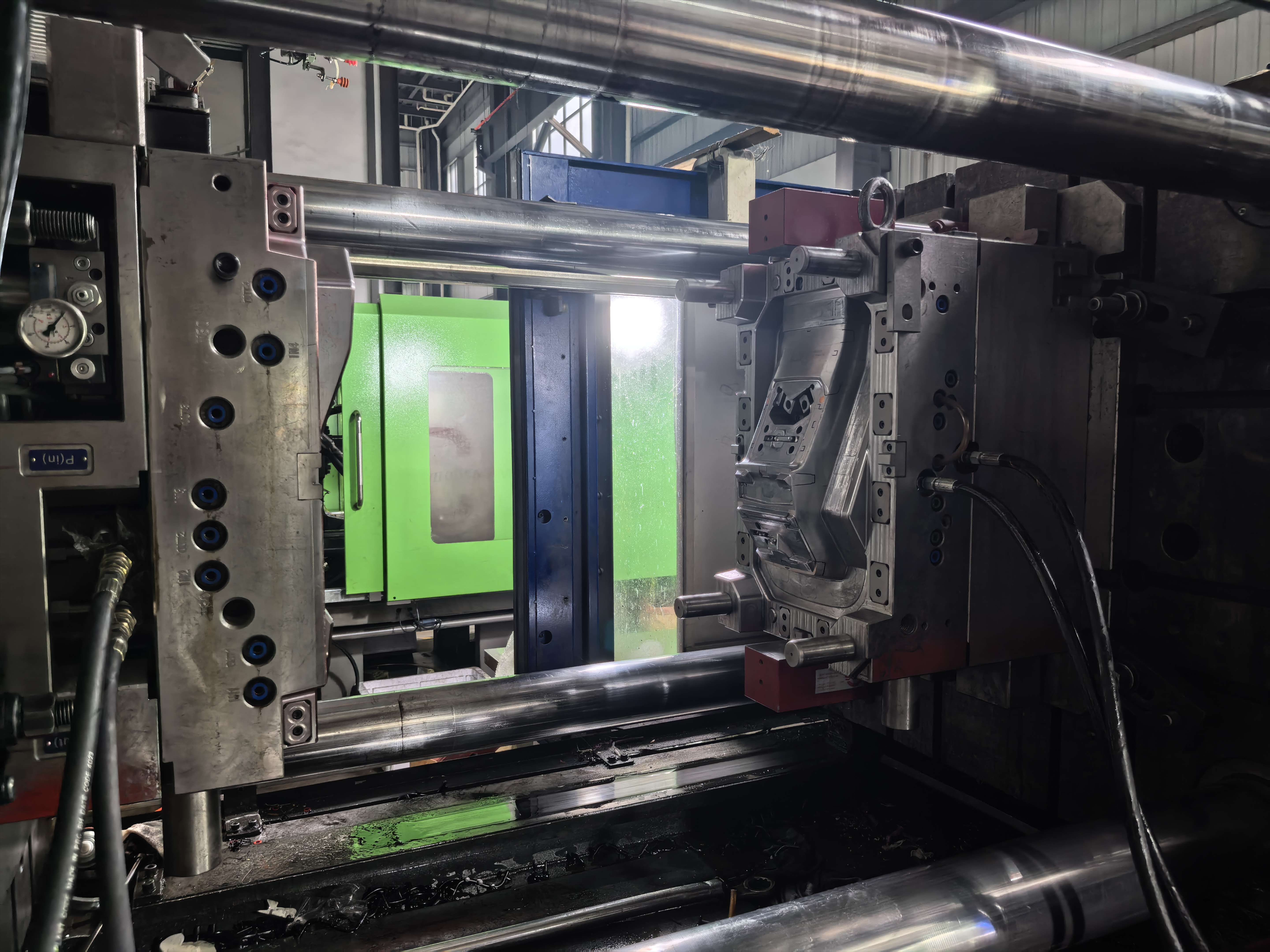
Injection molded plastic parts are common across automotive and industrial applications, making mold engineering a key comparison factor.
Extended mold life is also presented as a cost advantage by LINGO. Longer mold life reduces the amortised tooling cost per part and lowers the frequency of mold repair downtime. Buyers comparing plastic molded parts suppliers should request information about mold steel, mold maintenance schedules and predicted mold life under the specific material and production volume being quoted.
4. After-Sales Service and Defective Part Handling
In a final supplier comparison, after-sales service is not a secondary issue. It is the policy that determines who absorbs the cost when something goes wrong. LINGO's stated after-sales approach includes replacement or refund for defective items, which gives the buyer a clear remedy rather than an open-ended negotiation.
Quick response to after-sales requests is part of the same comparison. Suppliers with short internal communication lines and a documented corrective action process usually resolve issues faster. A buyer should ask for the supplier's quality complaint procedure, response time commitment and the process for corrective and preventive action before signing the order.
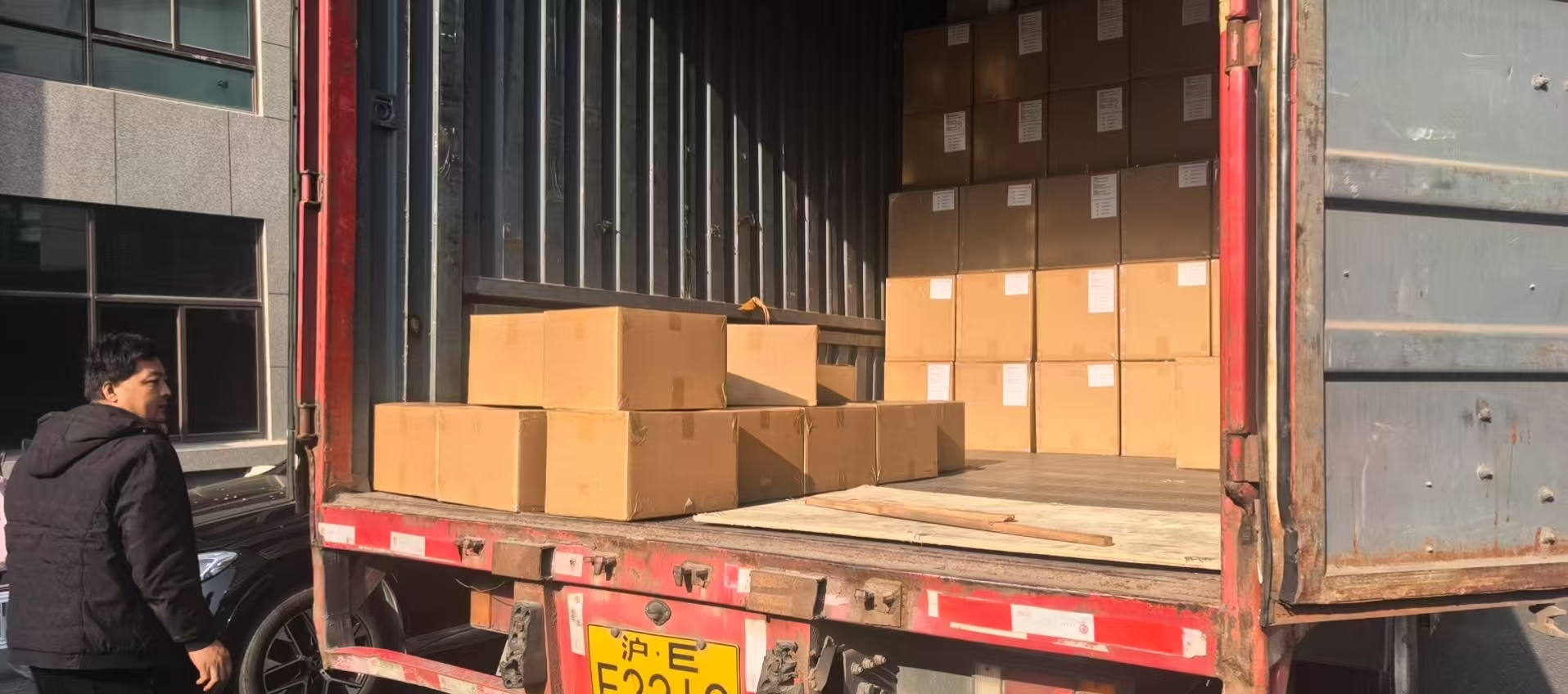
Delivery reliability and export experience are part of the final comparison for buyers sourcing plastic components internationally.
5. Material Modification and Service Life Extension
Material formulation is often overlooked during supplier comparison, but it can decide whether a plastic part survives in a demanding environment. LINGO states that its product advantages include material modification formulas designed to extend product service life.
For example, plastic parts exposed to heat, UV light or chemicals may harden, soften or degrade over time. Control methods used by qualified suppliers include selecting substrates with good weather resistance, adding light stabilizers, antioxidants and anti-ozone agents, and applying protective coatings. LINGO verifies weather resistance through QUV or xenon lamp aging tests, controls additive dosage with batch traceability and uses accelerated aging tests in its reliability work. Buyers comparing industrial plastic parts or nylon plastic parts should ask whether the supplier can adjust formulations for the specific operating environment.
6. Visual Quality and Surface Consistency
Surface consistency is especially important for visible plastic parts such as plastic handles, housings and automotive interior components. Inconsistent surface gloss is a common complaint. Standard control methods include maintaining mold surface condition and adjusting molding process parameters such as temperature, pressure and speed.
LINGO's documented approach includes a mold maintenance plan with regular checks of surface finish, standardized process parameters through standard operating procedures and surface gloss testing on the first piece. A buyer can compare suppliers on how they verify visual quality before mass production and how often molds are re-polished or maintained.
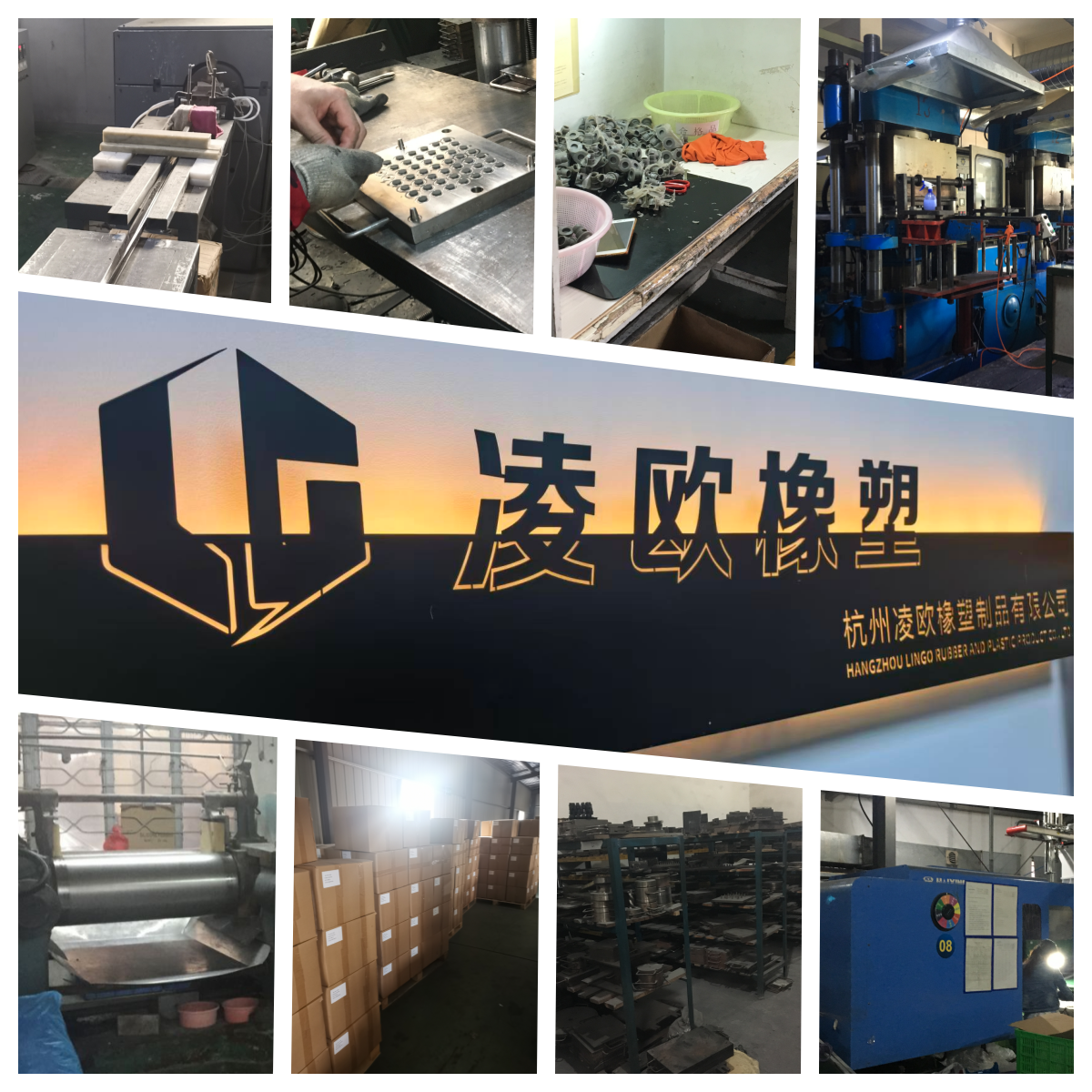
A supplier's facility and internal quality system are visible only through audits and documented practices.
Step-by-Step Breakdown: How to Run the Final Supplier Comparison
The comparison framework works best when it is converted into a repeatable process. Use the following steps to evaluate plastic parts manufacturers before you award the order.
- Narrow the list by process fit. Confirm that the supplier can produce the required plastic parts using the right primary process, such as injection molding, plastic extrusion or CNC plastic machining. For parts such as PVC dipping plastic parts or extruded tubing, the supplier should have a dedicated process line.
- Request tolerance standards and process capability data. Ask if the supplier controls tolerances to plastic M1-M3 or rubber RMA A2 and whether CPK data are available. A supplier that maintains CPK at or above 1.33 gives you a measurable baseline.
- Audit dimensional and appearance risk controls. Ask about sampling inspection, calibration of measuring tools, mold cavity pressure monitoring, mold maintenance and first-piece gloss testing.
- Check long-term aging and environmental testing. For outdoor, high-temperature or chemical-exposed parts, confirm whether the supplier performs QUV or xenon lamp aging tests and whether additives are traceable by batch.
- Compare total cost, not piece price. Factor in defect rates, mold life, replacement policy, sorting cost and expected service life. LINGO's stated cost advantage comes from high product stability, low defect rate, extended mold life and material modification, not from reducing material quality.
- Test the service commitment. Confirm whether defective items are replaced or refunded, how quickly after-sales requests receive a response and what the escalation process looks like.
Comparison Table: What to Verify Before Choosing a Plastic Parts Supplier
| Decision Criterion | What to Ask or Verify | Example of Strong Capability |
|---|---|---|
| Tolerance standard | Which tolerance class does the supplier control? | Plastic M1-M3 standards, with rubber RMA A2 where applicable |
| Process capability | Can the supplier provide CPK data? | CPK consistently maintained at or above 1.33 |
| Dimensional risk control | How are out-of-tolerance parts detected? | Sampling inspection, CNAS-calibrated tools, mold cavity pressure sensors |
| Surface consistency | How is surface gloss controlled? | Mold maintenance plans, SOP-based process parameters, first-piece gloss testing |
| Long-term aging | How is weather resistance verified? | QUV or xenon lamp aging tests, controlled additive dosage, batch traceability |
| After-sales support | What happens if parts are defective? | Replacement or refund for defective items, quick response to requests |
| Cost structure | Where does the supplier reduce cost? | High stability, low defect rate, extended mold life, material modification formulas |
| Manufacturing scope | Can one supplier cover multiple processes? | Plastic injection, plastic extrusion, CNC plastic machining, PVC dipping and related capabilities |
The table above is not a scorecard that ranks suppliers automatically. It is a list of evidence to collect. When a supplier can document most of these criteria, the final decision becomes a comparison of verified facts instead of marketing claims.
Use Cases: When This Comparison Method Matters Most
The criteria described above are especially important for four types of plastic parts applications.
Micro precision components. Small plastic parts with tight dimensional requirements are sensitive to mold wear, shrinkage variation and machine stability. A supplier with documented tolerance control and CPK discipline reduces the risk of receiving parts that cannot be assembled.
High-temperature applications. Plastic components used near motors, engines or electronic enclosures must resist hardening, softening and deformation over time. Aging tests and material modification capability become decision-critical evidence.
Complex structures with undercuts or core-pulling mechanisms. Plastic molded parts with undercuts, side actions or internal threads demand mold engineering experience. The buyer should compare each supplier's ability to design tooling that produces the feature consistently without excessive cycle time or flash.
Composite and multi-process components. Some parts require a combination of plastic injection, plastic extrusion, CNC plastic machining or PVC dipping. A multi-process supplier such as LINGO can consolidate production, reduce logistics interfaces and keep quality responsibility under one roof.
These use cases appear across automotive plastic parts, industrial plastic parts, plastic washers, nylon washers, plastic plugs for holes, plastic handles and other engineered plastic components. The common thread is that the part must function reliably in a larger assembly, which means the supplier's process discipline matters as much as the material grade.
FAQ: Final Decision Questions on Plastic Parts Supplier Comparison
Q: Which quality and tolerance standards matter most when comparing plastic parts suppliers?
A: Buyers should compare suppliers on their documented tolerance standard and process capability. LINGO states that it controls tolerance as per rubber RMA A2 and plastic M1-M3 standards, with capability consistently maintained at CPK at or above 1.33. Measuring tools calibrated according to CNAS requirements, product sampling inspection and real-time mold cavity pressure monitoring are supporting quality controls. For automotive plastic parts, buyers should also confirm whether the supplier meets IATF 16949:2016 and ISO 9001:2015 expectations for the specific supply chain.
Q: How do I compare process capability when two suppliers offer similar plastic parts?
A: Compare the manufacturing scope and the depth of process control. A supplier with capabilities in plastic injection parts, plastic extrusion profiles, CNC plastic machining and PVC dipping can be evaluated against a single-process supplier on flexibility and consolidated quality responsibility. Process capability also appears in mold engineering: LINGO reports self-developed mold structures that increase output, reduce unit price and support complex structures featuring undercuts or core-pulling mechanisms.
Q: Why is the lowest quoted plastic part price not necessarily the most cost-effective choice?
A: Because total cost should be calculated on good parts delivered and in service. LINGO states that its cost advantage is achieved by reducing overall product cost through high product stability, low defect rate, extended mold life and material modification formulas. Additional production efficiencies include lower machine energy consumption, cryogenic or machine deflashing that reduces labour cost, and machine-based production. A cheap part that fails inspection costs more than a stable part priced slightly higher.
Q: What should sample validation include before ordering plastic injection molded parts?
A: Sample validation should cover dimensions, surface appearance and long-term environmental risk. Check whether the supplier performs first-piece surface gloss testing, standardized process parameter control and product sampling inspection. For parts exposed to heat or UV, confirm that weather resistance is verified through QUV or xenon lamp aging tests and that the supplier can control hardening or softening caused by aging. Consistent samples are useful, but the controls behind those samples are more important.
Q: How should lead time and after-sales commitments influence the final supplier comparison?
A: Lead time matters, but it should be assessed together with after-sales service. LINGO lists short lead time, quick response to after-sales requests and high durability of molds among its service strengths. Its after-sales policy includes replacement or refund for defective items. Buyers should treat this as a decision criterion: the supplier who clearly defines responsibility for defects is easier to work with over the life of the order than one who leaves the policy vague.
Conclusion: Compare Evidence, Not Promises
The final decision stage is the best time to replace assumptions with evidence. Instead of comparing plastic parts suppliers only by quotation price, compare them on tolerance standards, CPK data, quality stability, mold engineering, after-sales policy, environmental testing and total cost per good part. A supplier that can document these criteria is more likely to protect the buyer's production schedule and final product quality.
LINGO, formally Hangzhou Lingo Rubber and Plastic Product Co., Ltd, presents itself as a multi-process custom plastic parts manufacturer that controls tolerance to plastic M1-M3 and rubber RMA A2 standards, maintains CPK at or above 1.33 and supports customers with replacement or refund for defective items. Its combination of plastic injection, plastic extrusion, CNC plastic machining, PVC dipping and rubber-related capabilities gives buyers a single point of responsibility for complex sourcing requirements.
If you are at the final comparison stage for custom plastic parts, the fastest way to test these criteria is to request a sample or a detailed quotation and review the supporting quality documentation.
Get the LINGO company profile and discuss your plastic parts requirements.
Email: sales@lingorp.com | WhatsApp / Tel: +86 18358136245
Download the LINGO Rubber & Plastic Company Profile (PDF)
LINGO is a custom plastic parts and rubber parts manufacturer based in Hangzhou, China, exporting primarily to EU and US markets.
Have Questions or Need More Details?
Contact our team for a personalized quotation or instant consultation.
Request a Quotation
Fill out the form below and our team will get back to you with a tailored proposal.
WhatsApp Direct Chat
Prefer to chat in real-time? Message us on WhatsApp for instant assistance & quick answers.
- Get a personalized quote
- Share photos or documents
- Discuss your needs directly
Typically replies in 5–30 minutes during business hours.