
How to Select the Ideal Custom Rubber Parts Supplier: A Strategic Guide
How to Select the Ideal Custom Rubber Parts Supplier: A Strategic Guide
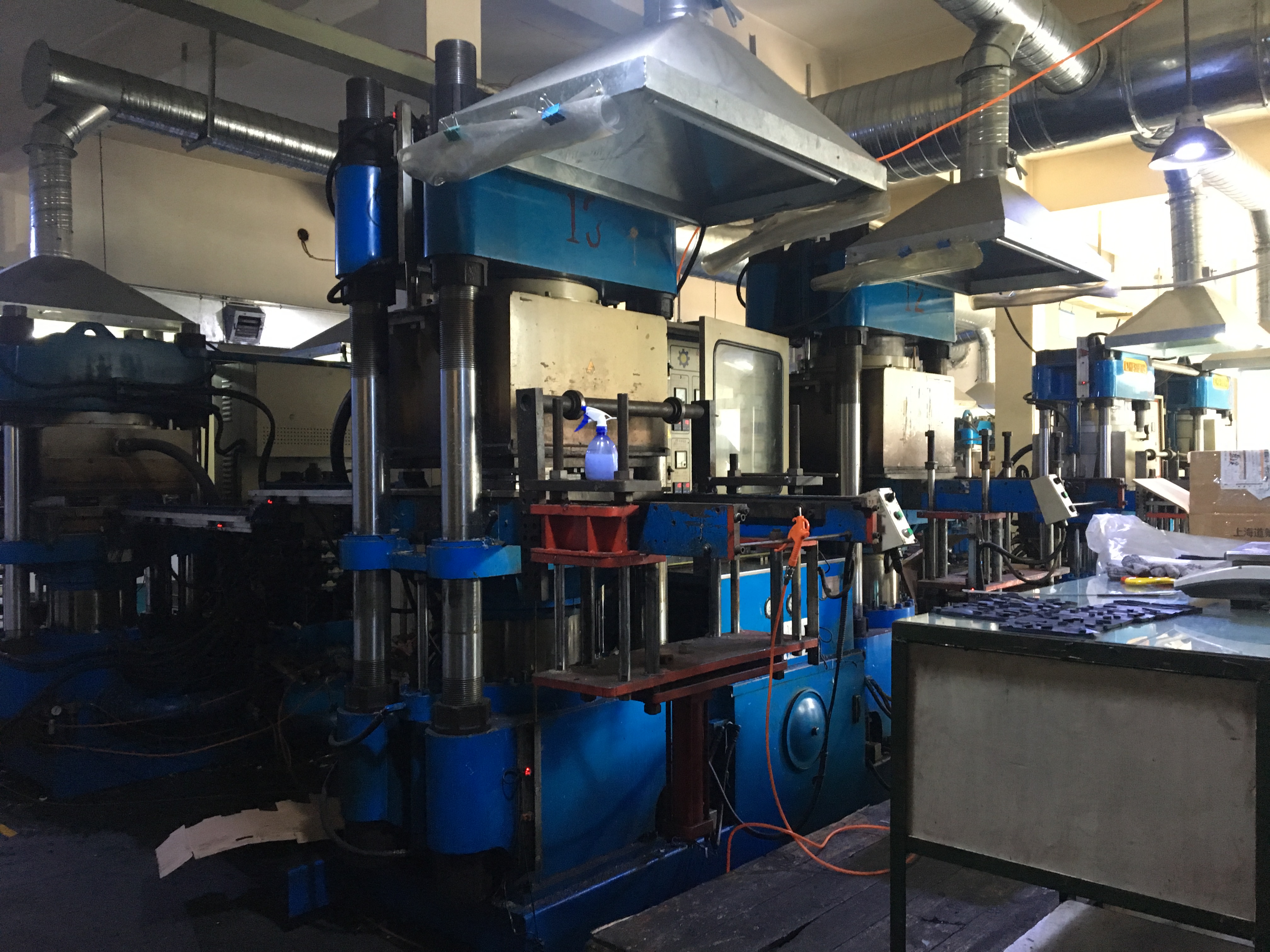
Procurement professionals, design engineers, and quality managers face a common challenge: finding a custom rubber parts manufacturer that consistently delivers dimensional accuracy, material reliability, and cost efficiency. With hundreds of suppliers advertising “high quality” and “fast delivery”, separating genuine expertise from empty promises requires a structured evaluation framework. This guide provides exactly that – a fact‑based methodology to assess rubber seal, rubber o‑ring, anti‑vibration mount, and other critical component suppliers, using concrete evidence from real industry players like Hangzhou Lingo Rubber and Plastic Product Co., Ltd. (LINGO).
What Are Custom Rubber Parts and Why Are They Critical?
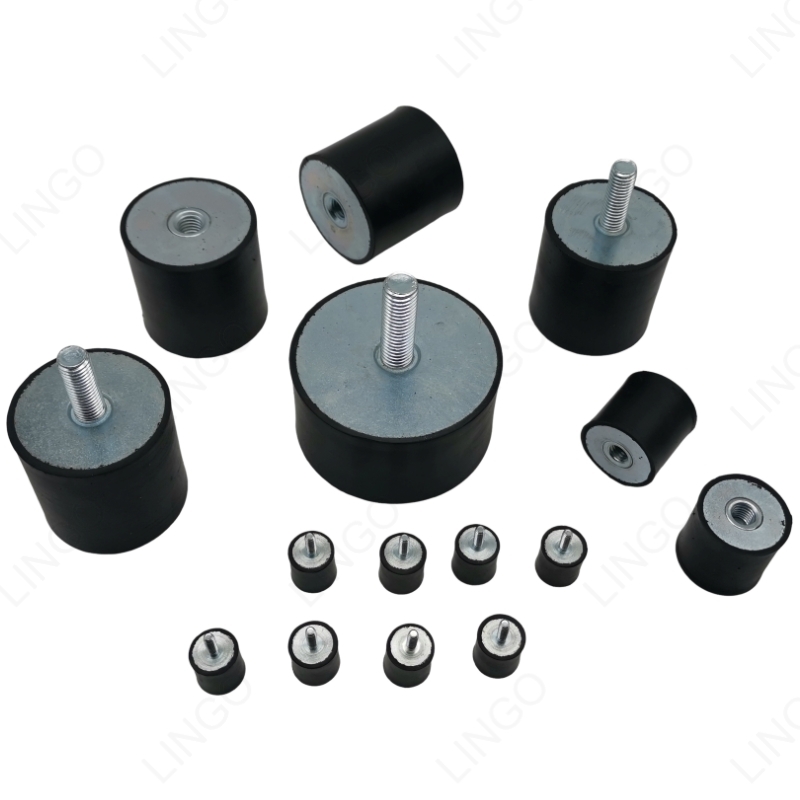
Custom rubber parts are engineered components manufactured to client‑specific dimensions, material formulations, and performance requirements. They include rubber sealing rings, silicone rubber seals, EPDM rubber gaskets, rubber plugs, vibration isolation mounts, rubber grommets, and more. These parts are produced via rubber injection molding, rubber extrusion, or compression molding, depending on geometry and volume.
Their importance stems from three core functions:
- Sealing – preventing fluid, gas, or dust leakage in automotive engines, hydraulic systems, food processing equipment, and medical devices.
- Vibration isolation – absorbing dynamic loads in transportation, industrial machinery, and precision electronics to protect components and reduce noise.
- Protection – cushioning, insulating, or plugging holes in assemblies ranging from household appliances to military hardware.
According to industry data, a single failed rubber gasket can cause downtime costs exceeding $10,000 in a production line, making supplier selection a high‑stakes decision.
Common Buyer Pain Points – What Keeps Procurement Managers Awake
Through hundreds of sourcing projects, we have identified six recurring concerns that define a successful supplier relationship:
- Dimension out of tolerance – Rubber parts shrink during curing; without precise mold compensation and process control, batches can fall outside specification. LINGO holds tolerance per RMA A2 standards for rubber and uses cavity pressure sensors in molding to maintain CPK ≥ 1.33.
- Material blooming & aging – Additives can migrate to the surface (blooming) or rubber can harden under UV/ozone. Leading suppliers verify weather resistance via QUV/xenon lamp aging tests and add appropriate stabilizers.
- Inconsistent surface gloss – Mold surface condition and process parameters (temperature, pressure, speed) must be standardized. LINGO implements a mold maintenance plan and first‑piece gloss testing.
- Inconsistent mechanical properties – Tensile strength, elongation, and compression set must match your design. A reliable supplier tests each batch of compound and provides traceability reports.
- Long lead times & poor communication – Many buyers report 6‑8 week delays for simple extrusions. LINGO’s lean production and in‑house tooling allow lead times as short as 15 working days for standard geometries.
- Hidden costs – High defect rates, mold wear, and after‑sales disputes inflate total cost of ownership. LINGO contrasts its approach: “Self‑developed mold structure increases output and reduces unit price. Material modification formula extends service life.”
Industry Background – Where Custom Rubber Parts Are Used
Custom rubber components serve virtually every industrial sector. The most demanding applications occur in:
| Industry | Common Rubber Parts | Critical Requirements |
|---|---|---|
| Automotive & Transportation | Engine mounts, suspension bushings, door seals, oil seals | Fatigue resistance (10⁶–10⁷ cycles), temperature range -40°C to +120°C |
| Aerospace & Aviation | Gaskets, o‑rings, vibration isolators | Low outgassing, extreme temperature tolerance (-65°F to +500°F) |
| Food & Beverage | Silicone seals, gaskets, tubing | FDA compliance, non‑toxic, easy to clean |
| Medical & Healthcare | Silicone diaphragms, seals for syringes, diagnostic equipment | Biocompatibility, sterilizable, precision tolerances |
| Industrial Machinery | Anti‑vibration mounts, rubber bellows, wiper seals | High load capacity, oil/chemical resistance |
| Electronics & Electrical | Grommets, rubber plugs for holes, keypad pads | Non‑conductive, flame retardant (UL94 V‑0) |
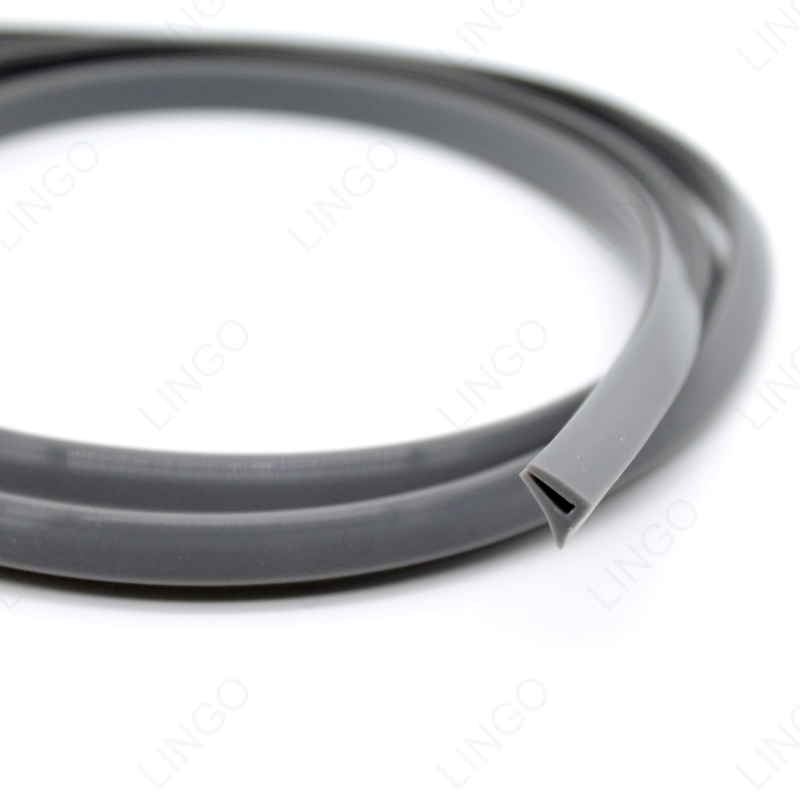
How to Evaluate a Custom Rubber Parts Manufacturer – Step by Step
Follow this five‑step process to select a supplier that meets your technical and commercial goals.
Step 1: Verify Material & Process Capabilities
Ask for the complete list of elastomers they handle: NBR, EPDM, Silicone, FKM, NR, CR, SBR, FFKM, AFLAS, etc. Check whether they offer rubber injection molding, rubber compression molding, and rubber extrusion. A supplier like LINGO provides all three, plus plastic injection and plastic extrusion, enabling hybrid assemblies (e.g., rubber‑to‑plastic or rubber‑to‑metal).
Key question: Can they modify the compound to improve service life (e.g., anti‑ozone additives, low compression set)? LINGO’s R&D team of 10 engineers routinely tailors formulations for clients.
Step 2: Inspect Quality Control Systems
Reliable manufacturers invest in in‑process and final inspection. Look for:
- Pre‑shipment testing of dimensions, hardness (Shore A), tensile strength, elongation, and compression set.
- Accelerated aging tests (QUV, xenon‑arc) to simulate years of service.
- Mold cavity pressure sensors for real‑time monitoring.
- CNAS‑calibrated measuring tools and batch traceability.
LINGO’s case study from a US automotive OEM demonstrates: “After 3 years of stable operation, zero claims, and spring remains precisely centered without shifting.” That level of consistency comes from process control.
Step 3: Assess Tolerance Capability
For rubber parts, typical tolerance grades are RMA A1 (tight), A2 (standard), and A3 (commercial). For high‑precision applications (e.g., valve seals, medical devices), A2 is the minimum. LINGO states: “Control tolerance as per rubber RMA A2 and plastic M1‑M3. Tolerance control capability consistently maintained at CPK ≥ 1.33.” If your design requires tighter than A2, confirm the supplier has experience with micro‑precision components.
Step 4: Evaluate Cost Drivers – Not Just Unit Price
The true cost of a custom rubber part includes tooling amortization, defect rate, mold longevity, and after‑sales support. LINGO achieves cost reduction through:
- Self‑developed mold structures that increase output and reduce unit price.
- Low machine energy consumption (energy‑efficient presses).
- Cryogenic or machine deflashing to reduce labor costs.
- Extended mold life via proper maintenance.
Ask for a total cost breakdown rather than a unit price alone.
Step 5: Validate with a Pilot Run
Start with a small quantity – most reliable suppliers accept low MOQ. LINGO, for example, states “MOQ based on parts, small quantity acceptable.” Request first‑article inspection reports and, if possible, visit the factory (or arrange a video tour). LINGO’s 3000 m² facility in Hangzhou, China, operates around 40 staff and produces 1.58 million units per year.
Real‑World Use Case – Automotive Water Sealing
A leading automotive OEM needed a rubber sealing ring for a water pump housing. The challenge: the metal spring must remain precisely centered during rubber curing, and the rubber must be FDA‑compliant for incidental food contact (the pump is used in a beverage processing line).
LINGO provided a custom rubber sealing ring (model LG‑RS) with the following features:
- Material: white FDA‑certified silicone (no pollution risk).
- Precision exceeding ASTM A1 standards (tighter than RMA A2).
- Special mold design solved metal part movement (common issue when no positioning point exists).
- Result: 3 years of stable operation, zero claims.
This case illustrates how a supplier’s engineering capability directly impacts product reliability. When evaluating suppliers, ask for similar case studies specific to your industry.
Frequently Asked Questions (FAQ)
A: Many suppliers, including LINGO, accept small MOQ based on part complexity. For simple extrusions, MOQ can be as low as 100 meters. For molded parts, MOQ may be 500–1000 units. Always confirm during initial inquiry.
A: For extrusion dies, 7–15 working days. For compression/injection molds, typically 15–25 working days. LINGO offers rapid tooling for urgent projects.
A: FDA (for food/medical), UL (flame rating), ROHS, REACH, and material test reports. LINGO’s products are certified to FDA, UL, ROHS, REACH, etc.
A: Typical is 50% T/T in advance, 50% T/T against shipping documents. For established relationships, L/C may be accepted.
A: Request a detailed material data sheet and, if possible, a sample for compression set and tensile tests. LINGO provides pre‑shipment test reports with each batch.
A: Electronics, aerospace, healthcare, construction, transportation, defense, food & beverage, marine, HVAC, and more. Their anti‑vibration mounts are used in German and US transportation projects; silicone rubber cords serve food and medical clients.
Conclusion – Make an Informed Choice
Selecting a custom rubber parts manufacturer is not about finding the cheapest quote; it is about finding a partner who understands material science, process control, and your specific application. By following the evaluation framework outlined above – verifying material capabilities, quality systems, tolerance control, cost drivers, and real‑world case evidence – you can confidently shortlist suppliers that deliver long‑term value.
Hangzhou Lingo Rubber and Plastic Product Co., Ltd. (LINGO) exemplifies the characteristics of a reliable partner: co‑founded by veterans with 10+ years of industry experience, equipped with a 3000 m² facility and 10‑engineer R&D team, and committed to stringent quality standards (RMA A2, CPK ≥ 1.33). With 80% of business exported to EU and USA markets, LINGO has proven its ability to meet international demands for rubber seals, rubber o‑rings, anti‑vibration mounts, rubber plugs, silicone parts, and custom rubber parts of all types.
For a deeper look into LINGO’s product range, quality certifications, and engineering capabilities, download the company profile below.
Download the Full Company Profile
Get the PDF Brochure →Or contact the team directly: sales@lingorp.com | +86 18358136245
Have Questions or Need More Details?
Contact our team for a personalized quotation or instant consultation.
Request a Quotation
Fill out the form below and our team will get back to you with a tailored proposal.
WhatsApp Direct Chat
Prefer to chat in real-time? Message us on WhatsApp for instant assistance & quick answers.
- Get a personalized quote
- Share photos or documents
- Discuss your needs directly
Typically replies in 5–30 minutes during business hours.