
Plastic Parts for Project Scenarios: A Cross-Industry Selection Framework
Plastic Parts for Project Scenarios: A Cross-Industry Selection Framework
Scenario-based plastic parts selection starts with the application environment, not with a product catalog. A plastic component that works in an automotive interior may fail in a chemical processing line or a semiconductor tool. For buyers moving from research to evaluation, the practical question is not simply “what plastic parts are available,” but “which material, process, and supplier evidence match this project’s operating conditions, compliance requirements, and batch profile.”
This article outlines a cross-industry framework for matching plastic parts to project scenarios. It draws on the documented capabilities of Lingo Rubber Plastic (Hangzhou Lingo Rubber and Plastic Product Co., Ltd), a China-based manufacturer providing plastic injection parts, plastic extrusion profiles, CNC machined plastic parts, and PVC dipping handles. The goal is to help engineering and procurement teams evaluate suppliers by scenario requirements rather than by product list alone.
Why Project Scenarios Change Plastic Parts Requirements
Plastic parts are not interchangeable across applications. A nylon washer for general machinery, an injection molded automotive tube holder, a PTFE back-up ring for high-pressure sealing, and a PVC-dipped handle for electrical insulation have very different performance priorities. The selection risk is usually not material cost alone; it is premature specification. Common failure modes include selecting a material that meets dimensional requirements but not chemical exposure, choosing a process that cannot support the required batch size, or approving a supplier without checking the quality controls for a specific regulated industry.
For example, automotive projects often require parts to remain stable across a wide temperature range and to meet flammability or restricted-substance standards. Corrosive or hygienic environments may require materials such as PTFE or certified food-grade plastics. Electrical enclosures and handles may need non-conductive coatings and corrosion resistance. The project scenario therefore determines which parameters are non-negotiable.
Industry Background: A Growing and Shifting Plastic Parts Market
The global injection molded plastics market was valued at USD 362.5 billion in 2025 and is projected to reach USD 481.4 billion by 2033, according to Grand View Research. Asia Pacific accounted for approximately 40.7% to 41.2% of injection molded plastic market revenue in 2025, based on data from Grand View Research and Mordor Intelligence. Within this broader market, automotive plastics represented an estimated USD 33.0 billion in 2025, driven in part by lightweighting trends for electric vehicles.
These figures do not mean that every supplier in Asia Pacific is equally suitable for every project. They indicate that plastic parts manufacturing is concentrated in Asia, that automotive lightweighting is a structural demand driver, and that buyers should screen suppliers not only for price but for process fit and compliance evidence. Polypropylene remains a dominant injection molding material, accounting for a 32.4% share of the automotive plastics market in 2025, according to Grand View Research. This matters because material choice is often linked to both mechanical behavior and cost structure.
In 2024, China exported approximately USD 174 billion in plastics and rubbers, with the United States as the largest destination at USD 24.3 billion, according to The Observatory of Economic Complexity. For international buyers, this export concentration reinforces the need to verify documentation, batch traceability, and communication before committing to a project-specific supplier.
Detailed Solution: Matching Scenarios to Multi-Process Plastic Parts Production
A supplier with multiple in-house processes can reduce the number of vendors, but only if the process portfolio genuinely matches the project portfolio. Lingo Rubber Plastic identifies its main plastic-related specialties as plastic injection parts, plastic extruded parts, plastic CNC machined parts, and PVC dipping. Its company profile describes rubber molding and rubber extrusion capabilities as well, supported by a team with more than 10 years of industry experience and, in some cases, more than 20 years.
The factory size is 3,000 m², with around 40 employees and an export ratio of about 80% to markets including the EU and the USA. These are relevant operational facts, not performance guarantees. For a buyer, they suggest that the company is export-oriented and sized for custom projects, but they do not replace technical review of specific part requirements.
Plastic Injection Parts for Functional and Structural Components
Plastic injection parts are used for solid plastic parts, housing components, precision functional components, insert molding, and dual-material parts. Available materials include PP, PA6, PA66, ABS, PE, HDPE, UHMWPE, LDPE, PU, PTFE, and glass-filled compounds. The injection molding data sheet notes fillers or modifications such as GF, flame-retardant, and UV-stabilized options, with Pantone/RAL color matching and SPI surface finish control. Draft angle guidance is outside ≥1° and inside ≥0.5°, with tolerance control referencing GB/T 14486 MT1 to MT7. Shrinkage compensation is typically 0.4%–0.8%. Compliance options include FDA and UL94 V-0 for relevant applications.
These specifications matter because they define the boundary between a “functional shape” and a “controlled production part.” For automotive projects, the related injection molded auto parts range includes plastic interior and exterior trim with FMVSS 302, RoHS, and REACH markings, a temperature range of -40°C to +120°C, and tooling options such as multi-cavity and hot/cold runner systems.
Plastic CNC Machining for Precision, Low-Volume, and High-Performance Parts
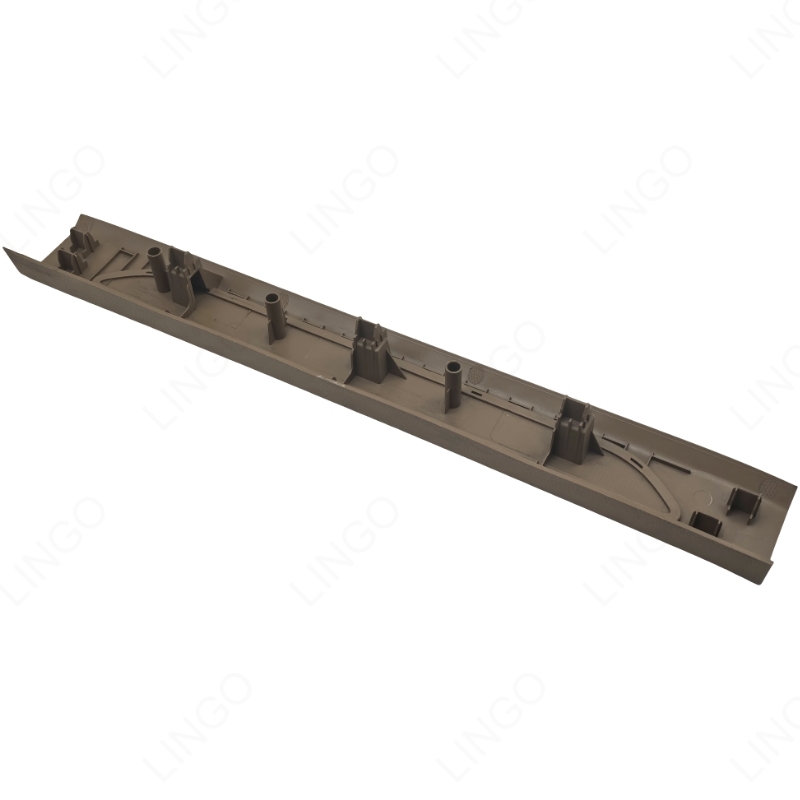
Some project scenarios do not justify injection tooling. For low-volume parts, high-precision tolerances, or advanced materials, CNC machining is often more practical. Lingo’s plastic CNC machined parts range includes PTFE gaskets, back-up rings or anti-extrusion rings, gears, seals/gaskets, bearings, and bushings. Materials include PTFE, POM, PE, UHMWPE, HDPE, PEEK, ABS, PU, PA6, and PA66. The specification references with or without glass fiber, FDA/RoHS/UL options, surface roughness control, and visual inspection criteria such as smooth, no crack, and no flash.
These parts are relevant to aerospace, medical devices, semiconductor and electronics, automotive, oil and gas, chemical and pharmaceutical, food and beverage processing, general industrial machinery, and defense applications. A key advantage in project evaluation is that small orders are acceptable, and machined parts can move quickly when tooling is not required.
Plastic Extrusion for Continuous Profiles and Sealing Systems
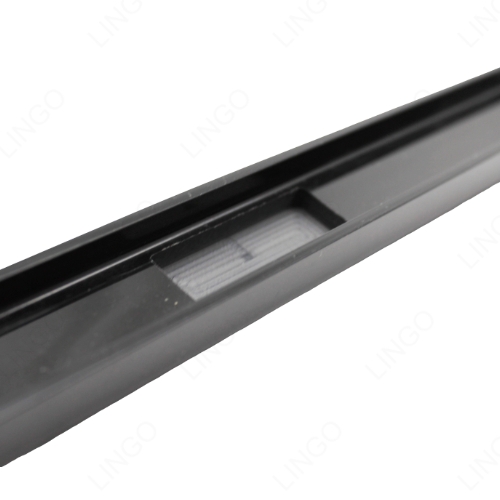
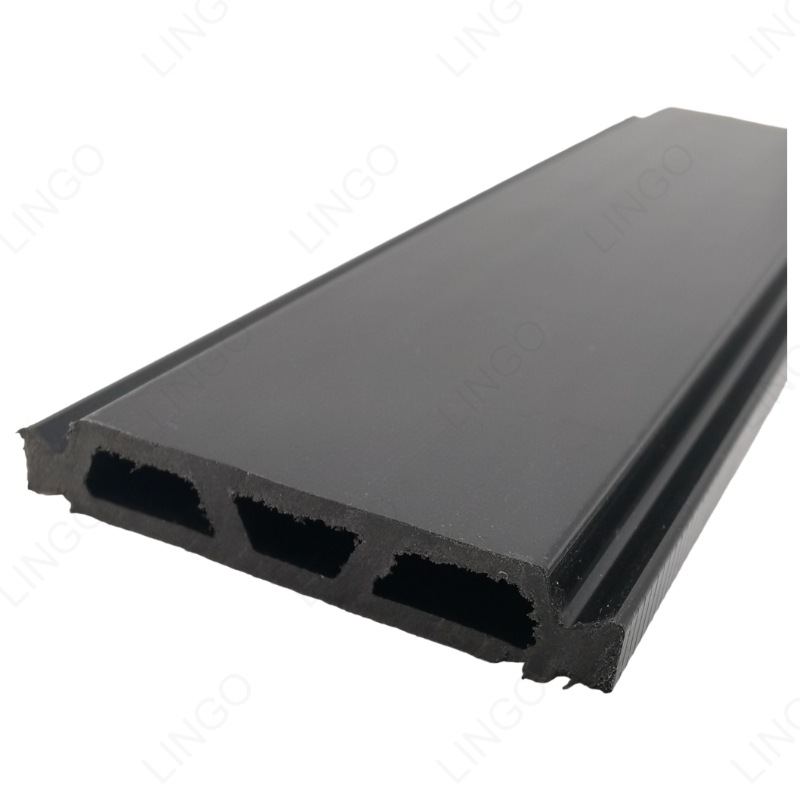
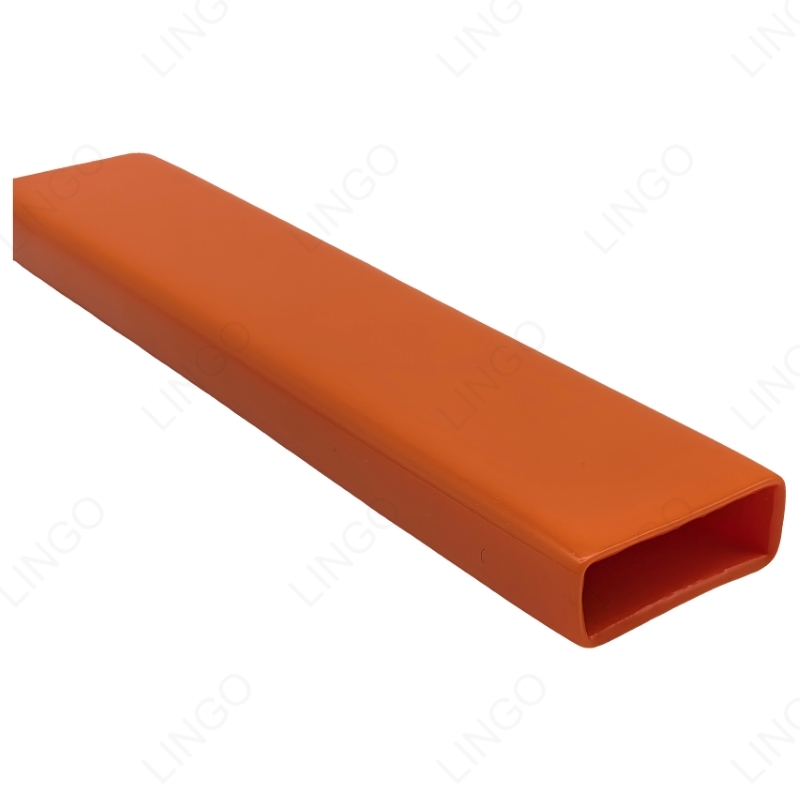
For continuous profiles, trims, channels, and structural strips, plastic extrusion is the default process. Product categories include PA6 extrusion trims, PA66 extrusion trims, PE/HDPE/UHMEPW extrusion trims, glass-filled extrusion trims, co-extruded trims, decorative trims, and thermoplastic elastomer extrusion trims. Materials span PVC, PP, ABS, PA6, PA66, PE, and UHMEPW with or without glass fiber. Lengths can go up to 6,000 mm with custom cross-sections and Pantone/RAL color options.
Plastic extrusion is applicable to construction, automotive, aerospace, medical, electrical and electronics, HVAC, industrial manufacturing, packaging, marine, furniture, and renewable energy. For buyers, this process is often the most material-efficient way to produce long parts with a consistent cross-section, but it is not a replacement for closed-geometry injection molded components.
PVC Dipping for Insulation, Grip, and Corrosion Resistance
Not every plastic part is a solid structural component. PVC dipping handles are used where a metal substrate needs non-slip grip, electrical insulation, or protection against corrosion. The PVC dipping handle line includes PVC non-slip handles, ergonomic handles, and corrosion-resistant handles. The standard specification references black color, glossy surface, and custom printing. The material is PVC, and applicable industries include hardware tools, electrical and electronics, automotive, fitness equipment, gardening tools, household products, industrial equipment, and building hardware.
PVC dipping is often appropriate when tooling cost must be avoided. A documented PVC dipping case for an electrical and electronics client in Germany involved 1,500 pieces, with the coating providing insulation, acid/alkali/salt spray/oil resistance, and low/high temperature resistance. The supplier feedback noted that no expensive molds were required, small orders were acceptable, and the process allowed different colors and surface textures to meet both functional and aesthetic needs.
Step-by-Step Breakdown: Scenario-Based Selection Workflow
The following workflow helps move from a broad plastic parts requirement to a supplier-ready specification.
- Define the operating environment. Record the temperature range, chemical exposure, UV exposure, moisture level, mechanical load, and mating component. This step prevents material and process mismatch.
- List compliance requirements. Identify whether the application requires FDA, RoHS, REACH, UL94 V-0, FMVSS 302, or an automotive quality management system such as IATF 16949, which builds on ISO 9001.
- Determine batch size and lifecycle. For prototype or low-volume needs, CNC machining and PVC dipping may avoid tooling cost. For production runs, injection molding or extrusion may be necessary.
- Select candidate materials. Narrow the field using documented material options. For example, PTFE is relevant for chemical and sealing applications, PP is widely used in automotive and general parts, and glass-filled materials can improve rigidity.
- Match the manufacturing process. Injection molding for complex closed geometries; CNC machining for precision and low volume; extrusion for continuous profiles; PVC dipping for grip and insulation coatings.
- Evaluate supplier capabilities. Check whether the supplier has the relevant process in-house, documented quality control, export experience, lead time, and after-sales support such as batch traceability and mold ownership protection.
- Request samples with the actual production material. A sample supported by full inspection is more useful than a catalog reference. Confirm that bulk inspection will use random inspection and that any non-conforming batch can be handled through a defined concession process.
Use Cases: Scenario Evidence from Different Industries
Electrical and Electronics: PVC Dipping Handle
A German electrical and electronics buyer required 1,500 PVC-coated handles for current-transmission equipment. The key requirement was not mechanical strength but insulation and protection against wiring damage. The PVC dipping process provided a coating resistant to acids, alkalis, salt spray, and oil, while also supporting low-temperature and high-temperature resistance. The project did not require expensive molds, which made it suitable for the order size. This scenario shows that surface function can be the primary reason to choose a plastic process.
The supplier notes that PVC dip coating solutions used in this production approach do not contain toxic or heavy metal ions, and the raw materials can be recycled. Buyers should still verify these environmental claims with current documentation, but the scenario highlights why PVC dipping is relevant for electrical equipment and hardware tools.
Chemical Processing and High-Pressure Sealing: PTFE Back-up Ring
A UK-based project involving chemical and petrochemical, food and pharmaceutical, automotive OEM, electronics and semiconductor, aerospace and defense, and general industrial machinery required 20 pieces of PTFE back-up rings. The component was not the primary seal itself but a support ring that prevents O-rings and other elastomeric seals from extrusion damage under high pressure. The case notes CNC machining, high-precision tolerance, pure PTFE with no pollution, small order acceptability, and an order sent in 2 days.
This example demonstrates that CNC machined plastic parts are often a better fit than injection molding when quantity is low and material purity or precision is critical. A project buyer evaluating this scenario should ask for surface roughness values and visual inspection criteria, not just a nominal drawing.
Automotive OEM: Injection Molded Tube Holder
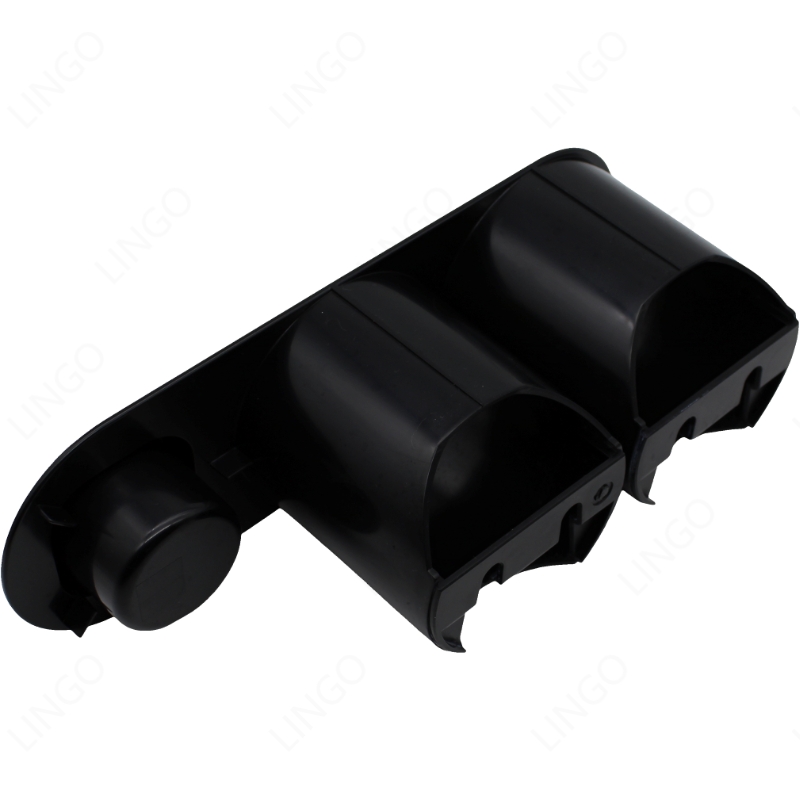
A US automotive application required 5,000 injection molded tube holders. The documented result was zero failures. The production approach included reducing internal material where possible, which lowered material and logistics costs while improving the dimensional stability of the part. This is a typical scenario where injection molding makes sense: the batch size supports tooling, the application requires consistent functionality, and the design can be optimized for structural performance.
For automotive projects, buyers should confirm the marking code, temperature range, and restricted-substance compliance before approving a supplier. In this case, the injection molded auto parts specification references FMVSS 302, RoHS, and REACH, with the ability to use multi-cavity and hot/cold runner tooling for production efficiency.
Comparison Table: Process Selection by Project Scenario
The table below summarizes four plastic parts processes based on product data, materials, and application fit. It is not a ranking; it is a scenario filter.
| Process | Typical Parts | Material Notes | Best-Fit Scenario | Batch and Lead Time Notes |
|---|---|---|---|---|
| Plastic injection molding | Plastic gaskets, washers, caps, housings, handles, guide rails, auto interior/exterior trim | PP, PA6, PA66, ABS, PE, HDPE, UHMWPE, LDPE, PU, PTFE, glass-filled; FDA, UL94 V-0 optional | Production runs, complex geometry, functional/structural components | Small quantity acceptable; 2–6 week lead time; tolerance GB/T 14486 MT1–MT7 |
| Plastic CNC machining | PTFE gaskets, back-up rings, gears, seals/gaskets, bearings, bushings | PTFE, POM, PE, UHMWPE, HDPE, PEEK, ABS, PU, PA6, PA66; FDA, RoHS, UL | Low volume, high precision, advanced materials, sealing support | Small order acceptable; order processing can be prioritized for quick-turn parts |
| Plastic extrusion | PA6/PA66 trims, PE/HDPE/UHMEPW trims, co-extruded trims, decorative trims | PVC, PP, ABS, PA6, PA66, PE, UHMEPW, with/without glass fiber | Continuous profiles, long parts, sealing channels, custom cross-sections | Length up to 6,000 mm; 2–6 week lead time; custom Pantone/RAL colors |
| PVC dipping | PVC non-slip handles, ergonomic handles, corrosion-resistant handles | PVC; custom color and surface texture | Grip, insulation, corrosion protection on metal substrates | No expensive molds; small order acceptable; custom printing |
FAQ: Project-Scenario Selection Questions from Buyers
What compliance standards should I check before evaluating a plastic parts supplier for regulated industries?
Start with the industry-specific requirement. Automotive plastic parts manufacturing commonly references IATF 16949:2016, which builds on ISO 9001:2015. Depending on the part, you may also need FMVSS 302, RoHS, REACH, FDA, or UL94 V-0. Request evidence for the exact standard that applies to your application, not a generic compliance statement.
Can one supplier handle injection molding, CNC machining, extrusion, and PVC dipping in the same project?
Some suppliers can. Lingo Rubber Plastic documents plastic injection parts, plastic CNC machined parts, plastic extruded profiles, and PVC dipping handles as in-house or coordinated capabilities. This multi-process structure may be useful when a project contains different part types, but the buyer should still confirm which process is actually used for each part and whether secondary processes are outsourced.
Is custom plastic parts sourcing possible for small quantities or prototype projects?
Yes, depending on the process. CNC plastic machining and PVC dipping can avoid expensive molds, and documented cases include small orders such as 20 pieces for PTFE back-up rings and 1,500 pieces for PVC dipping handles. The supplier states that MOQ varies according to different parts and that small quantity orders are acceptable, but the buyer should confirm the minimum order for the specific part number.
How are samples and bulk quality controlled in custom plastic parts manufacturing?
The supplier's quality control approach is documented as full inspection of samples and random inspection of bulk goods. After-sales support includes remote technical support, mold maintenance and ownership protection, batch traceability, and a process for free exchange or acceptance of concessions. Buyers should ask for the inspection plan for the specific part and define acceptance criteria before sample approval.
What is the typical lead time for custom plastic parts projects?
The documented lead time for plastic injection and extrusion production is approximately 2 to 6 weeks. For CNC machined parts, the PTFE back-up ring case notes that the order was sent in 2 days. Actual lead time depends on material, tooling status, quantity, and quality requirements. For project-specific samples, quotes, or technical review, contact sales@lingorp.com or download the company profile from the link at the end of this page.
Conclusion
Project-scenario selection is a better starting point than supplier rankings or generic plastic parts lists. A buyer should first define the operating environment, compliance obligations, batch size, and functional priority. Then the choice becomes clearer: injection molding for production components, CNC machining for precision or low volume, extrusion for continuous profiles, and PVC dipping for grip and insulation coatings.
Lingo Rubber Plastic is one example of a multi-process supplier that maps to this scenario framework. Its documented specifications include injection molding tolerances, automotive material requirements, CNC material options, extrusion length and color capabilities, and PVC dipping performance characteristics. For a specific project, however, the next step should be a technical review rather than a catalog approval.
Next step: Download the company profile to review process capabilities and quality documentation, or contact the Lingo Rubber Plastic team at sales@lingorp.com to request a project-specific sample or quote.
Have Questions or Need More Details?
Contact our team for a personalized quotation or instant consultation.
Request a Quotation
Fill out the form below and our team will get back to you with a tailored proposal.
WhatsApp Direct Chat
Prefer to chat in real-time? Message us on WhatsApp for instant assistance & quick answers.
- Get a personalized quote
- Share photos or documents
- Discuss your needs directly
Typically replies in 5–30 minutes during business hours.