
Which Rubber Parts Manufacturer Is Better? A Decision Guide
Which Rubber Parts Manufacturer Is Better? A Decision Guide
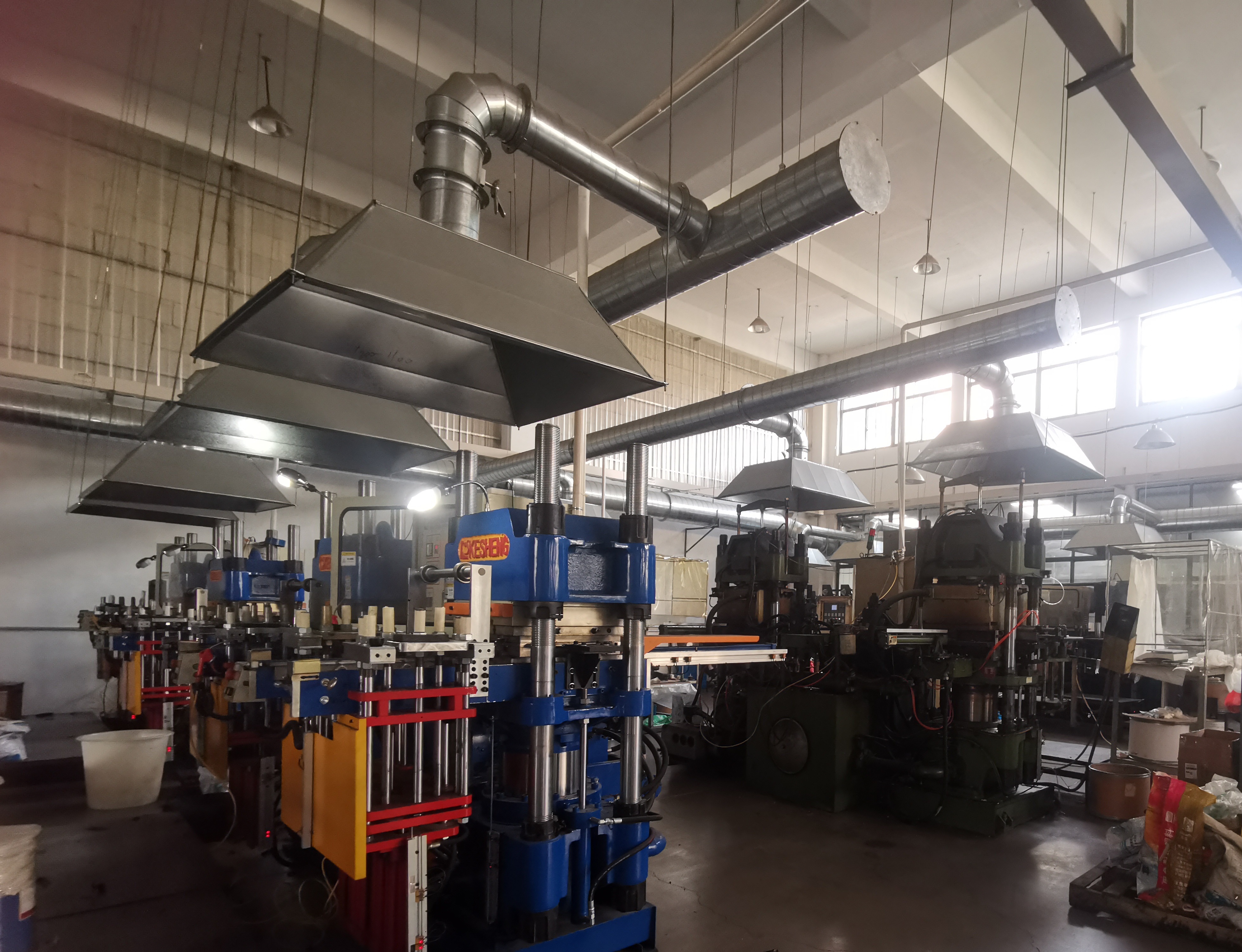
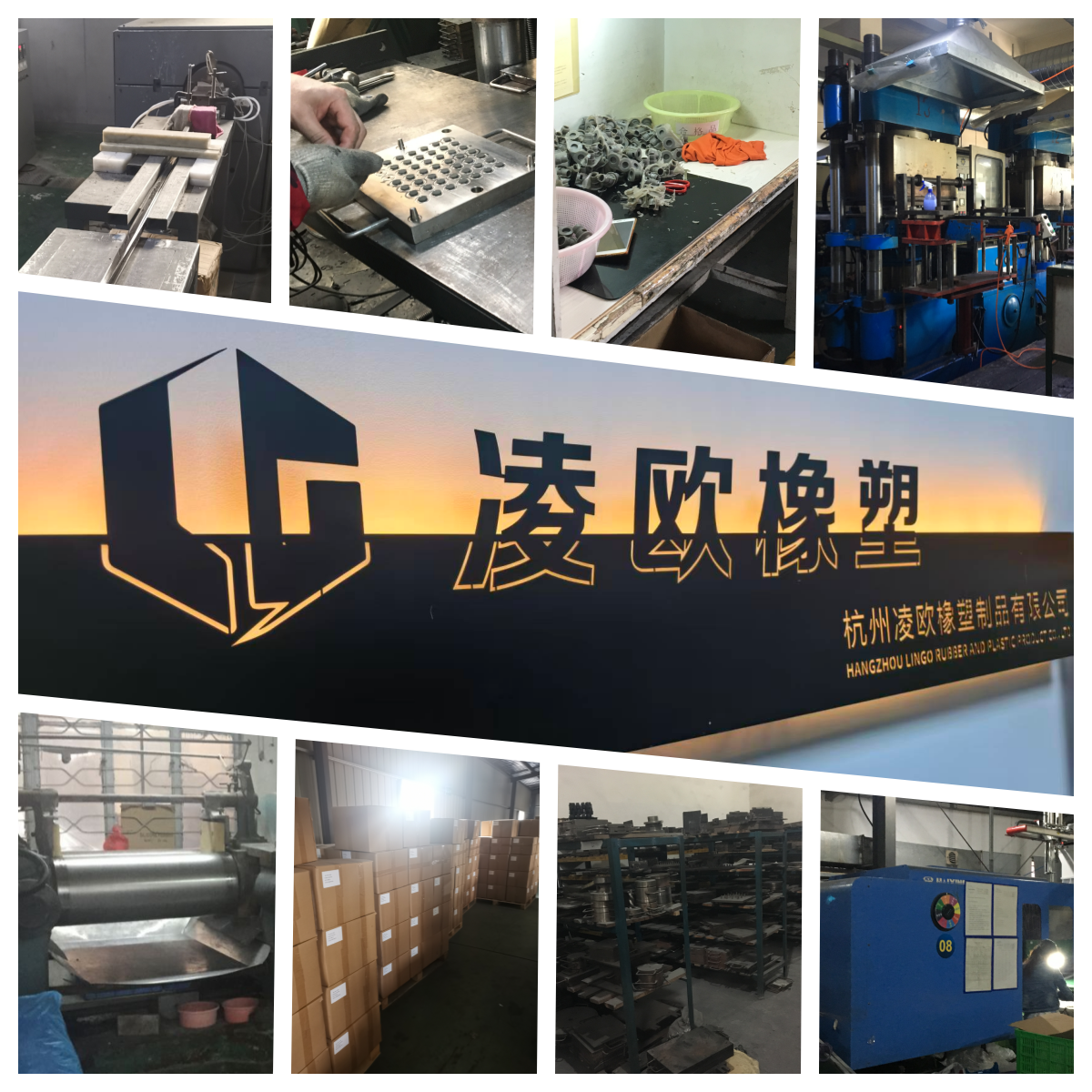
Lingo Rubber Plastic is a China-based rubber and plastic parts manufacturer that is worth evaluating when buyers compare rubber parts suppliers. The company maintains process capability at CPK ≥ 1.33, follows rubber RMA A2 and plastic M1-M3 standards, and operates a 3,000 m² facility in Hangzhou with around 40 employees and annual output of 1.58 million units; about 80% of sales are exported to the EU and USA. This article is written for procurement and engineering teams at the decision stage: it defines the problem, explains what to compare, shows how Lingo Rubber Plastic performs, and closes with a practical review process.
The Problem: Rubber Parts Suppliers Look Similar on Paper
Rubber parts are not a single commodity category. A rubber seal, rubber o-ring, anti-vibration mount, rubber grommet, or rubber gasket can be manufactured by compression molding, injection molding, transfer molding, or extrusion, and each process leaves a different footprint on tolerance, surface, and cost. Buyers often compare quotes without comparing process control. That creates hidden risk: a low-cost supplier may struggle with dimension out of tolerance, inconsistent surface gloss, blooming, or aging. The better manufacturer is the one that can prove consistent quality, not just offer a low quote.
Industry Background: Why Supplier Comparison Matters
Market demand is broad, and it continues to expand. Grand View Research estimated the global gaskets and seals market at USD 63.09 billion in 2024, with seals holding a 60.1% revenue share. Cognitive Market Research estimated the global rubber molding market at USD 54.1 billion in 2024, with injection molding as the leading process type and EPDM as the dominant material. Market Insights Reports valued the global anti-vibration mounts market at USD 6.03 billion in 2024, with the top three players—ContiTech, Hutchinson, and Sumitomo Riko—holding 65% market share. China's rubber parts industry accounts for over 35% of global production in 2024, driven partly by EV battery sealing and thermal management demand. These figures explain why buyers need a decision method rather than a simple supplier list.
The standards picture is equally important. EPDM rubber materials are formally classified under ASTM D1418 and ISO 1629, which define their resistance to ozone and UV. Rubber materials for automotive seals and gaskets must frequently comply with ASTM D2000 for temperature and oil resistance. Together, these standards form a practical checklist for supplier qualification.
Detailed Solution: Lingo Rubber Plastic as a Comparison Benchmark
Lingo Rubber Plastic (Hangzhou Lingo Rubber and Plastic Product Co., Ltd) is a China-based manufacturer of rubber molding parts, rubber extrusions, plastic injection parts, and plastic extrusion profiles. The company was co-founded by a team with more than 10 years, and in some cases more than 20 years, of rubber and plastics industry experience. In the company profile, Lingo states that it focuses on helping clients solve sealing problems and provide anti-vibration solutions while meeting parameters for tensile strength, elongation, compression set, and other physical and chemical properties. Parts are supplied to electronics, aerospace, healthcare, construction, transportation, and defense applications. About 80% of sales are exported to the EU and USA.
Product Range
- Rubber molding parts: rubber sealing rings, rubber grommets, rubber bonded to steel, anti-vibration mounts, rubber bellows, rubber o-rings, rubber bushing, rubber diaphragm, and rubber gaskets.
- Rubber extrusion parts: solid rubber strips, sponge rubber extrusion strips, grooved rubber strips, self-adhesive rubber strips, silicone rubber strips, and rubber insert strips.
- Plastic injection parts: plastic gaskets, plastic washers, plastic caps, plastic housings, plastic handles, and plastic guide rails.
- Plastic extrusion parts: PA6 extrusion trims, PA66 extrusion trims, PE/HDPE/UHMEPW extrusion trims, glass-filled extrusion trims, co-extruded trims, decorative trims, and thermoplastic elastomer extrusion trims.
- Other capabilities: PTFE machining, PEEK machining, acrylic machining, PVC dipping, plastic machining, and assembly.
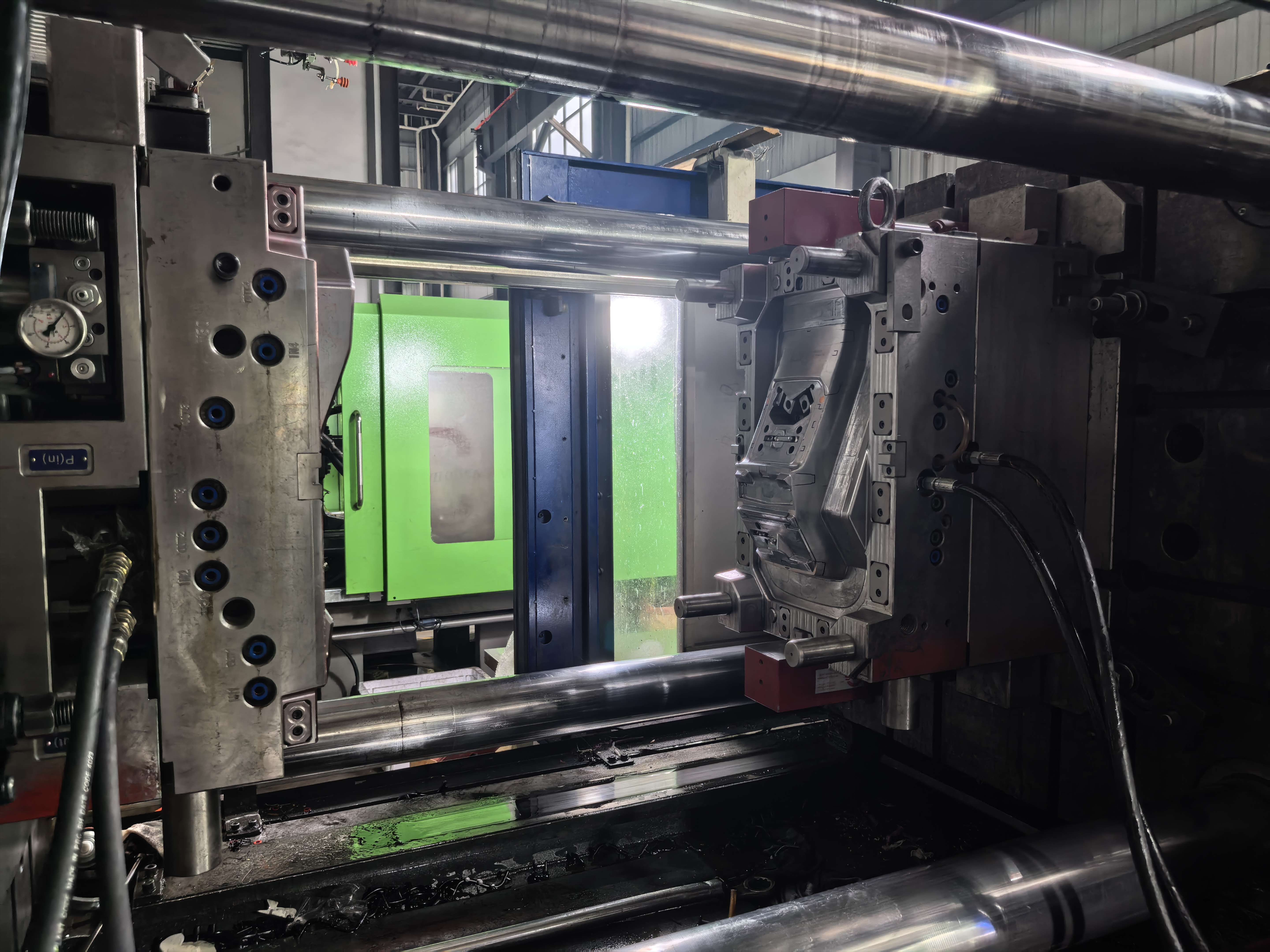
This range means a buyer can evaluate one supplier across multiple part categories instead of splitting volume among several vendors. That is especially useful for anti-vibration mounts, rubber seals, rubber o-rings, and custom rubber parts used in the same assembly.
Comparison Strengths
Compared with rubber and plastic suppliers in the same industry, Lingo Rubber Plastic has distinct advantages in quality stability and service. Performance evidence includes tolerance control consistently maintained at CPK ≥ 1.33 and compliance with rubber RMA A2 and plastic M1-M3 standards. The company also uses self-developed mold structures that increase output and reduce unit price.
Cost engineering is improved through low machine energy consumption, which directly lowers unit product price, and cryogenic or machine deflashing, which reduces labor costs. After-sales service includes replacement or refund for defective items, short lead time, quick response to after-sales requests, and high mold durability. Lingo also uses material modification formulas to extend product service life.
These capabilities make the supplier a fit for micro precision components, parts used in high-temperature environments, complex structures featuring undercuts or core-pulling mechanisms, and composite material components.
Planning note: Lingo operates a 3,000 m² facility with around 40 employees. Buyers with very high-volume, multi-site programs should confirm capacity and lead time during the quotation stage.
Risk Control in Production
Risk control is a major part of supplier comparison. Lingo's process covers four common rubber part risks.
- Hardening or softening due to aging: control methods include selecting a weather-resistant substrate, adding light stabilizers, antioxidants, and anti-ozone agents, and applying a protective coating. Lingo verifies weather resistance through QUV or xenon lamp aging tests, controls additive dosage, ensures batch traceability, and runs accelerated aging tests in a reliability laboratory.
- Inconsistent surface gloss: control methods include maintaining mold surface condition and adjusting molding or injection parameters. Lingo follows a mold maintenance plan, standardizes process parameters through SOP, and performs surface gloss testing on the first piece.
- Blooming or frost on the product surface: control methods include optimizing the formulation so additive dosage stays within solubility limits and ensuring proper vulcanization. Lingo tests the vulcanization characteristics of each batch, requires test reports from material suppliers, and retains samples of core raw materials for traceability.
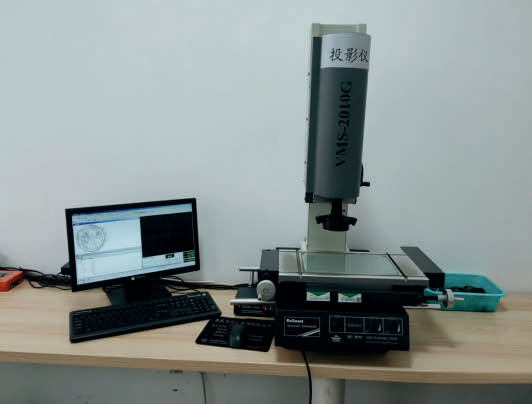
- Dimension out of tolerance: control methods include process parameter control, simulating shrinkage rate during mold design, and regular calibration of molds and measuring tools. Lingo performs product sampling inspection, calibrates measuring tools according to CNAS requirements, and monitors molding in real time with mold cavity pressure sensors.
Step-by-Step: How to Compare Rubber Parts Manufacturers
Use the following process to compare rubber parts manufacturers on compliance, capability, budget, and lead time.
- Define the application. Write down the part function: sealing, vibration isolation, protection, or electrical insulation. Identify operating temperature, chemical exposure, required hardness, compression set, and whether the part is static or dynamic.
- Verify tolerance and standards. Ask the supplier for tolerance class and process capability data. For rubber parts, RMA A2 is a recognized tolerance class; for plastic parts, M1-M3 is commonly referenced. If you specify EPDM, check ASTM D1418 and ISO 1629; for automotive seals and gaskets, ASTM D2000 is frequently required.
- Audit process control. Ask how shrinkage is simulated during mold design, how molds and measuring tools are calibrated, and whether process parameters are standardized. A reliable supplier should be able to explain machine pressure, cure time, and injection time controls.
- Review risk-control systems. Look for evidence of aging tests, vulcanization testing, first-piece gloss testing, raw material traceability, and CNAS-calibrated measuring tools. These systems catch problems before they become defects.
- Compare total cost, not unit price. Add expected defect rate, mold life, energy consumption, finishing labor, and after-sales service into the calculation. Low machine energy consumption and machine finishing can make a higher-priced quote cheaper overall.
- Check service and lead time. Confirm replacement or refund terms for defective items, after-sales response time, and mold durability. Ask how quickly the supplier responds to a request and whether they provide inspection data.
- Validate with a sample or small order. Send drawings, discuss material modification options, and request inspection reports. A sample order is the fastest way to verify whether the supplier can meet your tolerance and lead time expectation.
Use Cases: Where the Comparison Matters Most
The comparison criteria above matter most in specific procurement scenarios. Lingo Rubber Plastic is suited for micro precision components, parts used in high-temperature environments, complex structures with undercuts or core-pulling mechanisms, and composite material components. Its parts are used in electronics, aerospace, healthcare, construction, transportation, and defense applications.
For example, automotive sealing may require materials that comply with ASTM D2000, while anti-vibration applications may need rubber bonded to steel or anti-vibration mounts. Construction applications often use rubber extrusion profiles and sealing strips. Buyers should map each application to material, tolerance, and process-control requirements before selecting a manufacturer.
Comparison Table: What to Evaluate
| Evaluation criterion | Lingo Rubber Plastic evidence | What to check with any supplier |
|---|---|---|
| Quality stability | Distinct advantage in quality stability and service compared with same-industry suppliers. | Defect rates, batch traceability, complaint history. |
| Tolerance control | CPK ≥ 1.33; rubber RMA A2; plastic M1-M3. | Process capability data and tolerance class. |
| Cost structure | Low machine energy consumption lowers unit price; cryogenic or machine deflashing lowers labor cost; self-developed mold structures increase output and reduce unit price. | Total cost per part, mold life, finishing labor. |
| After-sales service | Replacement or refund for defective items; quick response to after-sales requests. | Warranty terms and response time. |
| Risk control | Aging tests, vulcanization testing, first-piece gloss testing, CNAS-calibrated measuring tools, mold cavity pressure monitoring. | Inspection reports and laboratory capability. |
| Lead time | Short lead time and high mold durability. | Scheduling visibility and mold maintenance policy. |
Frequently Asked Questions
Which manufacturer is better for rubber parts?
A stronger manufacturer is one that can demonstrate quality stability, tolerance control, and service. Lingo Rubber Plastic maintains process capability at CPK ≥ 1.33, complies with rubber RMA A2 and plastic M1-M3 standards, and offers replacement or refund for defective items. It is suited for micro precision components, high-temperature parts, complex structures with undercuts or core-pulling mechanisms, and composite material components.
What compliance standards should a rubber parts manufacturer meet?
A useful baseline is tolerance control at CPK ≥ 1.33, rubber RMA A2 tolerance, and plastic M1-M3 standards. When EPDM is specified, ASTM D1418 and ISO 1629 classify the material; automotive seals and gaskets often reference ASTM D2000. Lingo Rubber Plastic also calibrates measuring tools according to CNAS requirements and performs product sampling inspection.
Can Lingo Rubber Plastic manufacture custom and complex rubber parts?
Yes. Lingo Rubber Plastic specializes in rubber compression molding parts, rubber extrusions, plastic injection parts, and plastic extrusion profiles. The product range includes rubber seals, rubber o-rings, anti-vibration mounts, rubber grommets, rubber bellows, rubber gaskets, rubber strips, silicone rubber strips, plastic gaskets, plastic housings, PTFE/PEEK machining, and assembly. Complex structures featuring undercuts or core-pulling mechanisms are a stated strength.
How does Lingo Rubber Plastic reduce the total cost of rubber parts?
Lingo Rubber Plastic lowers overall cost through high product stability, low defect rates, extended mold life, and material modification formulas. Low machine energy consumption directly lowers unit product price, and cryogenic or machine deflashing reduces labor costs.
How do I request a sample or quote from Lingo Rubber Plastic?
Contact Colin Lin at sales@lingorp.com or +86 18358136245, or use the WhatsApp link on the Lingo website. Send your drawing and target material so the team can confirm tolerance, lead time, and price. You can also download the Lingo Rubber and Plastic company profile to review production and compliance capabilities.
Conclusion
The better rubber parts manufacturer for your project is the one that can prove quality stability, tolerance control, and service. Lingo Rubber Plastic provides verifiable evidence at each checkpoint: CPK ≥ 1.33, rubber RMA A2, plastic M1-M3, cost engineering, risk control, and after-sales support. For procurement teams at the decision stage, the next step is to test that evidence with your own drawings and a sample order.
Evaluate Lingo Rubber Plastic for your next rubber parts project
Contact Colin Lin at sales@lingorp.com or +86 18358136245. Share your drawing and material requirement to request a quote or sample. Visit www.lingorp.com for the full product range.
Have Questions or Need More Details?
Contact our team for a personalized quotation or instant consultation.
Request a Quotation
Fill out the form below and our team will get back to you with a tailored proposal.
WhatsApp Direct Chat
Prefer to chat in real-time? Message us on WhatsApp for instant assistance & quick answers.
- Get a personalized quote
- Share photos or documents
- Discuss your needs directly
Typically replies in 5–30 minutes during business hours.