How OEM/ODM Plastic Parts Capability Lowers Sourcing Risk
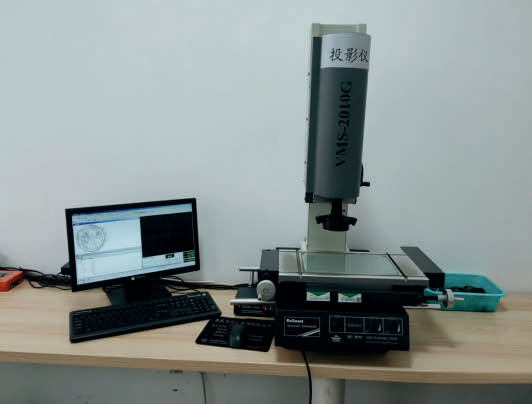
Dimension inspection is part of LINGO's OEM/ODM quality control for custom plastic parts.
How OEM/ODM Plastic Parts Capability Lowers Sourcing Risk
Custom plastic parts sourcing is, at its core, a capability evaluation exercise. For procurement teams and engineers evaluating a custom plastic parts manufacturer, the critical question is not only whether a factory can produce a plastic part, but whether it can deliver the required process, materials, tolerances, certifications, and production flexibility consistently. Hangzhou Lingo Rubber and Plastic Product Co., Ltd, operating as Lingo Rubber Plastic, is a multi-process custom plastic parts manufacturer based in Hangzhou, China, offering OEM/ODM production for plastic injection parts and plastic extrusion profiles, complemented by plastic CNC machining, PVC dipping, and assembly services. This guide explains how OEM/ODM plastic parts capability lowers sourcing risk, using LINGO's documented processes, specifications, quality controls, and client cases as a practical reference.
The Problem: Capability Gaps Surface After the Order Is Placed
Most sourcing failures in custom plastic parts occur after the purchase order is placed: dimensions drift from the approved drawing, the selected process cannot hold tolerance at volume, automotive PPAP submissions are delayed, tooling ownership is disputed, or the supplier's MOQ makes low-volume validation economically impossible. These failures share a common root cause — the buyer evaluated capacity and price, but not capability.
Capability, in this context, is the manufacturer's demonstrated ability to handle a combination of variables: process type (plastic injection molding, plastic extrusion, plastic CNC machining, plastic dipping), material behavior, dimensional tolerance, applicable standards, documentation support, small-order flexibility, export logistics, and after-sales service. For OEM/ODM programs — where the manufacturer produces to the buyer's design under the buyer's brand — capability verification is the primary risk-control measure.
Industry Background: A Large Market Where Accuracy and Compliance Decide Outcomes
The context for this evaluation is a large and growing global market. According to Grand View Research, the global injection molded plastics market was valued at USD 362.5 billion in 2025 and is projected to grow to USD 481.4 billion by 2033. The same source notes that Asia Pacific led the market in 2025 with a revenue share of approximately 40.7% to 41.2%, consistent with the region's concentration of injection molding capacity. China's position as an export base is equally significant: the Observatory of Economic Complexity (OEC) reports that China exported approximately USD 174 billion in plastics and rubbers in 2024, with the United States as the largest destination at USD 24.3 billion.
Two additional data points help buyers frame their sourcing criteria. First, the automotive plastics market was valued at USD 33.0 billion in 2025, driven largely by EV lightweighting trends, and polypropylene (PP) accounted for a 32.4% share of that market (Grand View Research). Second, the International Automotive Task Force (IATF) notes that automotive plastic parts manufacturing generally requires IATF 16949:2016 certification, which builds upon ISO 9001:2015. Industry trends for 2024–2026 — Industry 4.0 integration with AI/IoT for real-time monitoring, reshoring of high-specification production, and adoption of bio-based or recycled resins — further raise the bar for supplier capability.
For buyers, the implication is straightforward: the supplier base is large, but process accuracy, material expertise, and compliance evidence are what separate capable OEM/ODM partners from general-purpose factories.
Lingo Rubber Plastic: A Multi-Process OEM/ODM Manufacturer of Custom Plastic Parts
Lingo Rubber Plastic (Hangzhou Lingo Rubber and Plastic Product Co., Ltd) is a custom parts manufacturer established in 2022. The company operates a 3,000 m² facility with approximately 40 employees, including a 10-person R&D team, and exports about 80% of its output to the EU and USA. Its production scope covers rubber molding parts, rubber extruded parts, plastic injection parts, and plastic extruded parts, with additional services including plastic CNC machining, PVC dipping, and assembly. The company was co-founded by a group of veterans with more than 10 years — and in some cases more than 20 years — of experience in the rubber and plastics industry.
From a buyer's perspective, LINGO's value lies in multi-process coverage: one supplier can evaluate and manufacture a part through injection molding, extrusion, CNC machining, or dipping, and recommend the technically appropriate process rather than forcing every part into a single production route.
Plastic Injection Parts (LG-PI)
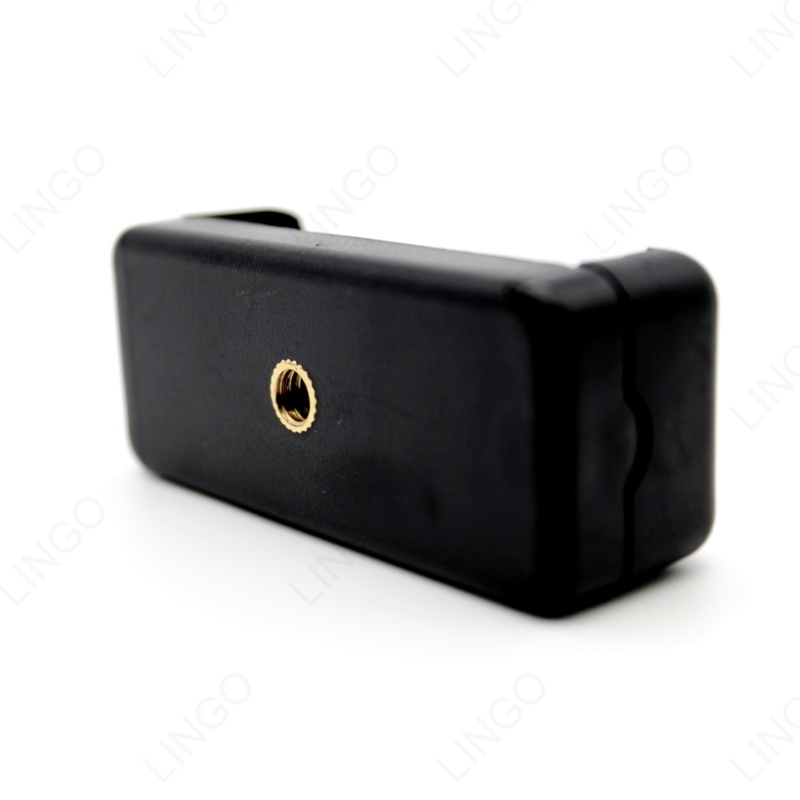
LINGO's plastic injection line includes insert molding and dual-material parts.
LINGO's plastic injection parts line (model LG-PI) covers solid plastic parts, plastic housing components, plastic precision functional components, plastic insert molding parts, and plastic dual-material parts. Materials include PP, PA6, PA66, ABS, PE, HDPE, UHMWPE, LDPE, PU, PTFE, and plastic with glass fiber. Dimensional control follows GB/T 14486 tolerance grades MT1 to MT7, with a typical mold shrinkage compensation rate of 0.4%–0.8%. Engineering specifications include draft angles of at least 1° on the outside and 0.5° on the inside, Pantone/RAL color matching with gloss level control, SPI surface finishes, and optional FDA and UL94 V-0 ratings. Applications span automotive and transportation, consumer electronics, medical and healthcare, packaging, appliances and HVAC, industrial equipment, aerospace and defense, consumer goods, electrical and lighting, and construction.
Plastic Extruded Profiles (LG-PE)
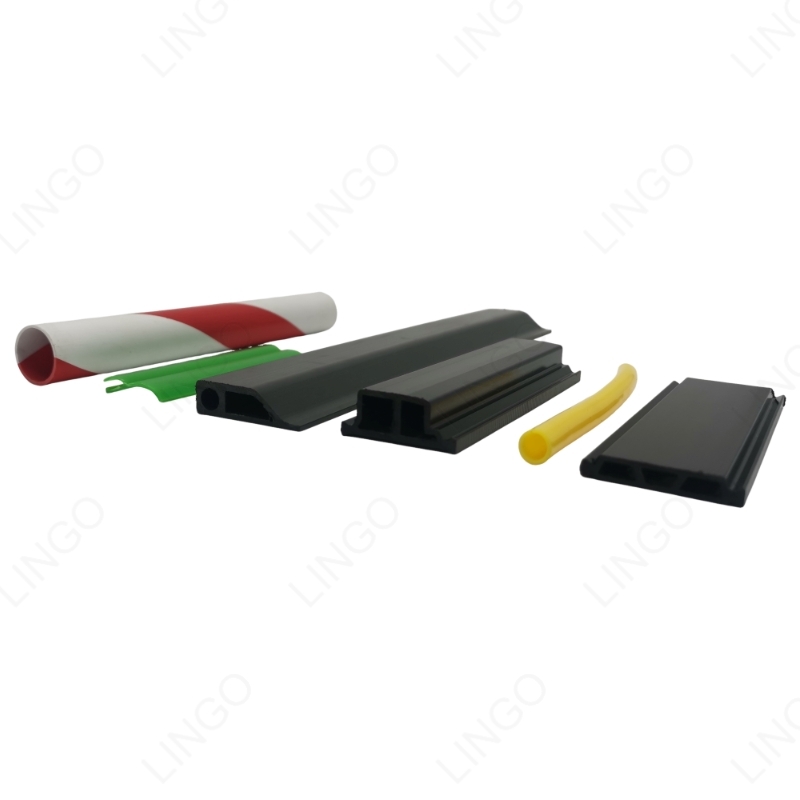
LINGO produces plastic extruded profiles up to 6,000 mm in length.
The plastic extrusion line (LG-PE) produces PA6/PA66 (nylon) extrusion trims, glass fiber reinforced profiles, co-extruded profiles, and flexible extruded profiles. Materials include PVC, PP, ABS, PA6, PA66, PE, UHMWPE, and glass-filled formulations. Profiles can be produced up to 6,000 mm in length with custom cross-sections, custom Pantone/RAL colors, and custom surfaces. Typical industries include construction and building, automotive and transportation, aerospace and defense, medical and healthcare, electrical and electronics, HVAC and refrigeration, industrial manufacturing, packaging, marine and offshore, furniture and appliances, and renewable energy.
Plastic CNC Machined Parts (LG-CNC)
For precision components or low-volume requirements, LINGO offers plastic CNC machining (LG-CNC): PTFE gaskets, PP and POM machined parts, back-up rings / anti-extrusion rings, gears, seals and gaskets, bearings, and bushings. Materials include PTFE, POM, PE, UHMWPE, HDPE, PEEK, ABS, PU, PA6, and PA66, with or without glass fiber. The line supports FDA, RoHS, and UL compliance options, custom colors, defined surface roughness Ra/Rz, and visual inspection criteria requiring smooth surfaces, no cracks, and no flash. This capability is widely used by aerospace, medical devices, semiconductor and electronics, automotive, oil and gas, chemical and pharmaceutical, food and beverage, general industrial, and defense clients.
PVC Dipping Parts (LGHD)
LINGO's PVC dipping line (LGHD) produces PVC non-slip handles, PVC ergonomic handles, and PVC corrosion-resistant handles. PVC dipping requires no expensive molds, uses relatively inexpensive PVC material, and allows almost any color and surface texture — from glossy and matte to rough and textured — supporting both functional needs such as anti-slip and aesthetic design requirements. Typical industries include hardware tools, electrical and electronics, automotive, fitness equipment, gardening tools, household products, industrial equipment, and building hardware.
Plastic Injection Molded Auto Parts (LG-AP)
For automotive programs, LINGO manufactures plastic interior trim parts and exterior trim parts (LG-AP) with a temperature range of -40°C to +120°C, FMVSS 302, RoHS, and REACH compliance, date-code marking, and multi-cavity hot- or cold-runner tooling. Materials include PP, PE, PS, ABS, PBT, PET, PVC, PA, PC, POM, PTFE, and PEEK.
How to Verify a Custom Plastic Parts Manufacturer's OEM/ODM Capability: A 5-Step Framework
Buyers in the evaluation-to-execution stage can apply the following framework, using LINGO's documented specifications as comparison points.
Step 1: Confirm the Production Mode and Process Breadth
Verify that the manufacturer explicitly supports OEM/ODM for your required process. LINGO provides OEM/ODM production services for plastic injection parts and plastic extrusion profiles, with plastic CNC machining and PVC dipping available as complementary processes. If a supplier offers only one process, assess whether that process is genuinely the best fit for your part geometry, volume, and cost target.
Step 2: Check Material Range and Tolerance Control
Review the manufacturer's documented material list and tolerance standards. LINGO's injection molding line lists PP, PA6, PA66, ABS, PE, HDPE, UHMWPE, LDPE, PU, PTFE, and glass-filled plastics, with tolerance control to GB/T 14486 MT1–MT7 and mold shrinkage compensation of 0.4%–0.8%. The CNC line adds PEEK and POM for high-performance applications; the extrusion line covers PVC, PA, PP, ABS, PE, UHMWPE, and glass-filled profiles up to 6,000 mm.
Step 3: Review Certification, Standards, and Quality Control
Documented compliance matters. LINGO's certification scope includes PPAP (Automotive Production Part Approval Process) for its plastic injection parts, plastic injection molded auto parts, and plastic extruded profiles lines. Its automotive line meets FMVSS 302, RoHS, and REACH. Buyers should note that the automotive industry typically requires IATF 16949:2016 certification, which builds on ISO 9001:2015, and should confirm program-specific requirements with the supplier. LINGO's stated quality control procedure is full inspection of samples and random inspection of bulk goods, with pre-shipment testing available.
Step 4: Validate Small-Order and Sample Flexibility
Capability is proven in small batches before it is proven in production. LINGO states that the minimum order quantity differs per product but that small quantity orders are acceptable. Documented examples include a 20-piece CNC machined PTFE order and a 1,500-piece PVC dipping order. Sample payments can be made via PayPal for low-value orders, and full inspection of samples is part of the quality control process.
Step 5: Assess Lead Time, Logistics, and After-Sales Support
LINGO's typical lead time for plastic injection and plastic extrusion orders is 2 to 6 weeks. Delivery terms include EXW, FOB, CIF, and DDP. After-sales support includes remote technical support, mold maintenance and ownership protection, a batch traceability system, and free exchange and acceptance of concessions.
Capability in Practice: Three OEM/ODM Plastic Parts Cases
Case 1 — United Kingdom: PTFE Back-Up Rings via CNC Machining (LG-CNC)
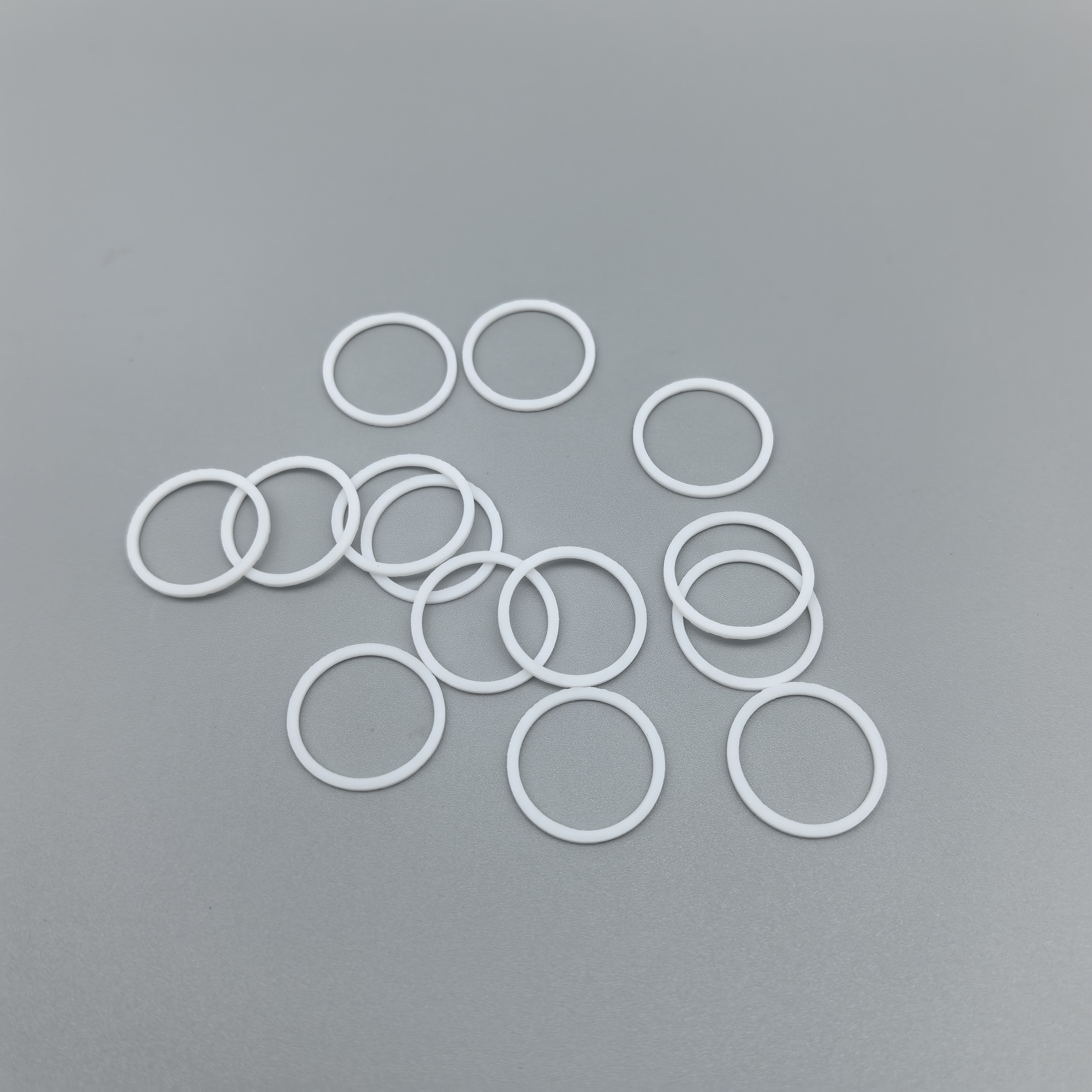
PTFE back-up rings are CNC machined with high-precision tolerance.
A UK-based client ordered 20 pieces of CNC machined PTFE back-up rings. Back-up rings are critical components that do not seal by themselves, but protect O-rings and other elastomeric seals from extrusion damage under high pressure, ensuring the integrity and longevity of the primary seal. Project highlights include CNC machining, high-precision tolerance, pure PTFE material, order dispatched in 2 days, and acceptance of a small order. The same product line has been successfully used by clients in chemical and petrochemical, food and pharmaceutical, automotive, electronics and semiconductor, aerospace and defense, and general industry sectors.
Case 2 — United States: 5,000 Plastic Injection Parts as Tube Holders in Automotive Machinery (LG-PI)
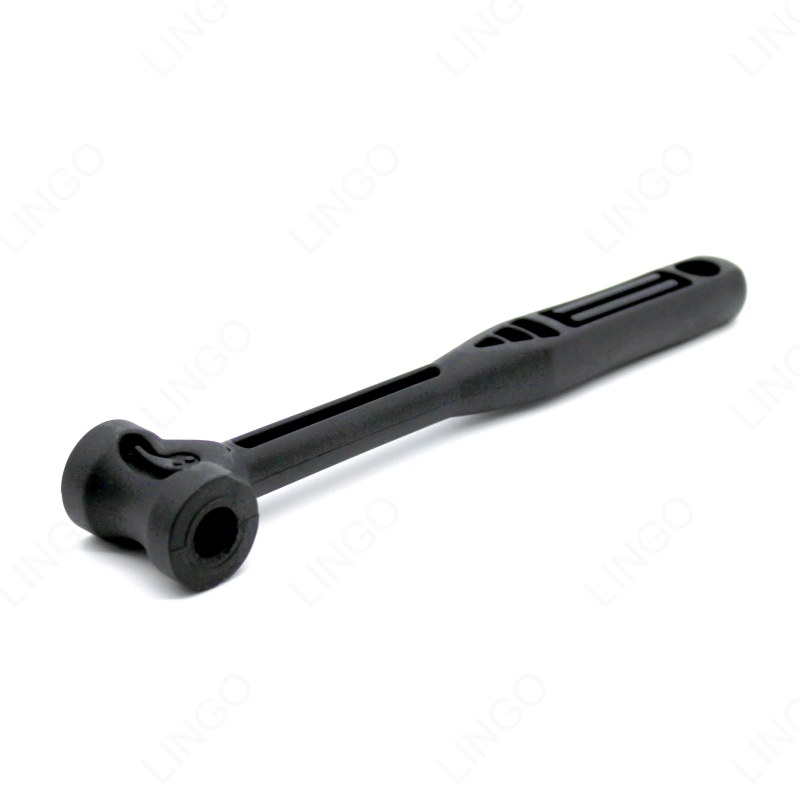
Injection molded plastic parts used in a US automotive application.
An automotive client in the United States sourced 5,000 plastic injection parts used as tube holders in auto machinery. Working within the product structure and functionality requirements, the project reduced some internal materials without compromising function. This lowered material and logistics costs and improved the dimensional stability of the part. The product achieved zero failures in long-term use and has been successfully used by auto industry clients.
Case 3 — Germany: PVC Dipping Handles for Electrical and Electronics (LGHD)
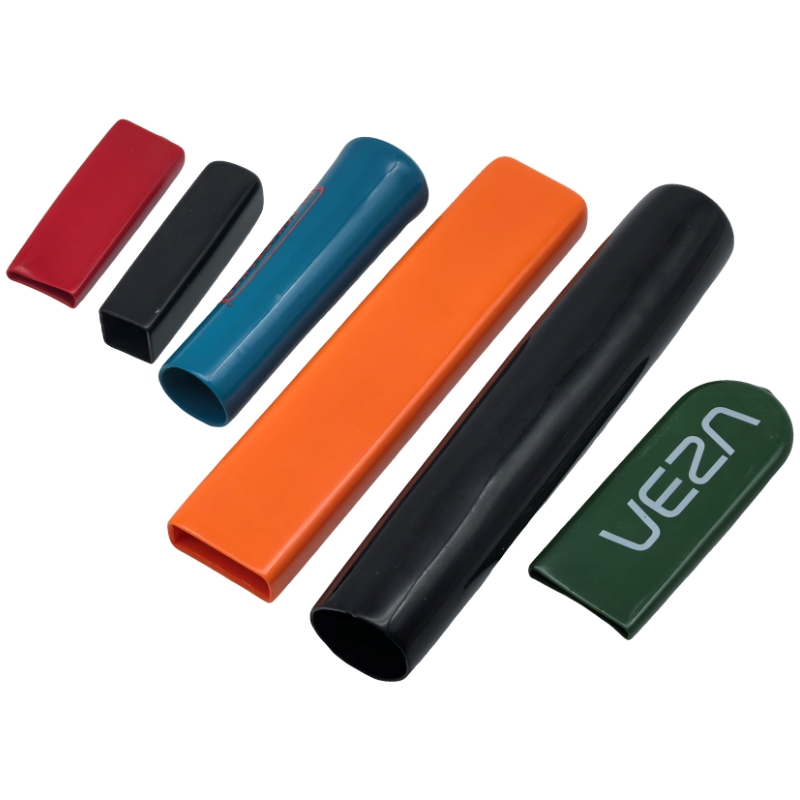
PVC dipping handles manufactured for a German electrical and electronics client.
A client in Germany's electrical and electronics industry ordered 1,500 PVC dipping handles. The application directly utilizes PVC's insulating characteristics to safeguard current transmission and prevent accidents from wiring damage. The coating is resistant to acids, alkalis, salt spray, and oil, effectively protecting the metal substrate from corrosion in humid and chemically corrosive environments, and performs at both low and high temperatures. The project required no expensive molds, used an environmentally friendly dipping process, and delivered a perfectly fitting handle with stable performance.
Custom Plastic Parts Process Comparison: Which Capability Applies to Your Project?
The following table compares the four custom plastic parts processes LINGO offers, using documented specifications from its product lines.
| Process | Representative Parts | Materials | Key Specification Points | Tooling | Order Flexibility | Lead Time |
|---|---|---|---|---|---|---|
| Plastic Injection (LG-PI) | Plastic gaskets, plastic washers, caps, housings, plastic handles, guide rails | PP, PA6, PA66, ABS, PE, HDPE, UHMWPE, LDPE, PU, PTFE, glass-filled plastics | GB/T 14486 MT1–MT7; shrinkage 0.4%–0.8%; FDA and UL94 V-0 options | Mold required | MOQ varies; small orders accepted | 2–6 weeks |
| Plastic Extrusion (LG-PE) | PA6/PA66 trims, glass-fiber reinforced profiles, co-extruded trims, flexible profiles | PVC, PP, ABS, PA6, PA66, PE, UHMWPE, with or without glass fiber | Length up to 6,000 mm; custom cross-section, Pantone/RAL color, surface | Die required | MOQ varies; small orders accepted | 2–6 weeks |
| Plastic CNC Machining (LG-CNC) | PTFE gaskets, back-up rings, gears, seals and gaskets, bearings, bushings | PTFE, POM, PE, UHMWPE, HDPE, PEEK, ABS, PU, PA6, PA66 | High-precision tolerance; surface roughness Ra/Rz; FDA, RoHS, UL options | No tooling | Small orders accepted (20-piece documented case) | Documented case: 2-day dispatch |
| PVC Dipping (LGHD) | PVC non-slip handles, ergonomic handles, corrosion-resistant handles | PVC | Custom colors and surface textures; insulating and corrosion-resistant coating | No expensive molds | Small orders accepted (1,500-piece documented case) | Case-dependent |
FAQ: OEM/ODM Custom Plastic Parts Capability
1. What compliance and certification support does LINGO provide for custom plastic parts?
LINGO documents PPAP (Automotive Production Part Approval Process) certification for its plastic injection parts (LG-PI), plastic injection molded auto parts (LG-AP), and plastic extruded profiles (LG-PE) lines. The automotive parts line additionally complies with FMVSS 302, RoHS, and REACH, and operates in a temperature range of -40°C to +120°C. Injection molded parts can be specified with FDA and UL94 V-0 requirements. As a general industry note, automotive plastic parts manufacturing typically requires IATF 16949:2016, which builds on ISO 9001:2015; buyers should confirm program-specific requirements with the supplier during sourcing.
2. What OEM/ODM capabilities does LINGO offer for custom plastic parts?
LINGO provides OEM/ODM production for plastic injection parts and plastic extrusion profiles, with additional plastic CNC machining (PTFE, POM, PEEK, and other engineering plastics), PVC dipping, and assembly services. Monthly production capacity reaches 1,000,000 kgs for both the injection and extrusion lines. Material coverage includes PP, PA6, PA66, ABS, PE, HDPE, UHMWPE, LDPE, PU, PTFE, POM, PEEK, PC, and glass-filled formulations, with tolerance control to GB/T 14486 MT1–MT7 for injection molded parts.
3. What are LINGO's MOQs, payment terms, and delivery options?
The minimum order quantity differs per product, but small quantity orders are accepted. Payment methods include T/T as the standard option, L/C at sight for larger quantities, D/P for agreed destinations, PayPal for sample or low-value orders, and credit terms for established customers with a consistent payment record. Delivery terms include EXW, FOB, CIF, and DDP, with pre-shipment testing as the acceptance procedure.
4. Can buyers request samples and small-batch validation before full production?
Yes. LINGO's quality control procedure includes full inspection of samples and random inspection of bulk goods. Documented projects confirm small-batch capability: a 20-piece CNC machined PTFE back-up ring order dispatched in 2 days, and a 1,500-piece PVC dipping order completed without expensive mold investment. PayPal is accepted for sample payments or low-value orders.
5. What are typical lead times and after-sales commitments for plastic parts orders?
Typical lead time for plastic injection and plastic extrusion orders is 2 to 6 weeks. After-sales services include remote technical support, mold maintenance and mold ownership protection, a batch traceability system, and free exchange and acceptance of concessions. For a current quote, sample request, or technical evaluation, contact the LINGO sales team directly — see the contact block below.
Conclusion: Capability Evidence Beats Capability Claims
For buyers evaluating OEM/ODM custom plastic parts manufacturers, sourcing risk is reduced when capability can be verified through documented processes, specifications, certifications, and past orders. Lingo Rubber Plastic (Hangzhou Lingo Rubber and Plastic Product Co., Ltd) provides a multi-process reference model — plastic injection molding, plastic extrusion, plastic CNC machining, and PVC dipping — supported by PPAP documentation, GB/T 14486 dimensional control, a 2-to-6-week lead time, small-order acceptance, and after-sales protections such as mold ownership and batch traceability.
The practical next step is to test capability with a real requirement: send the drawing, request sample inspection, and evaluate the technical response.
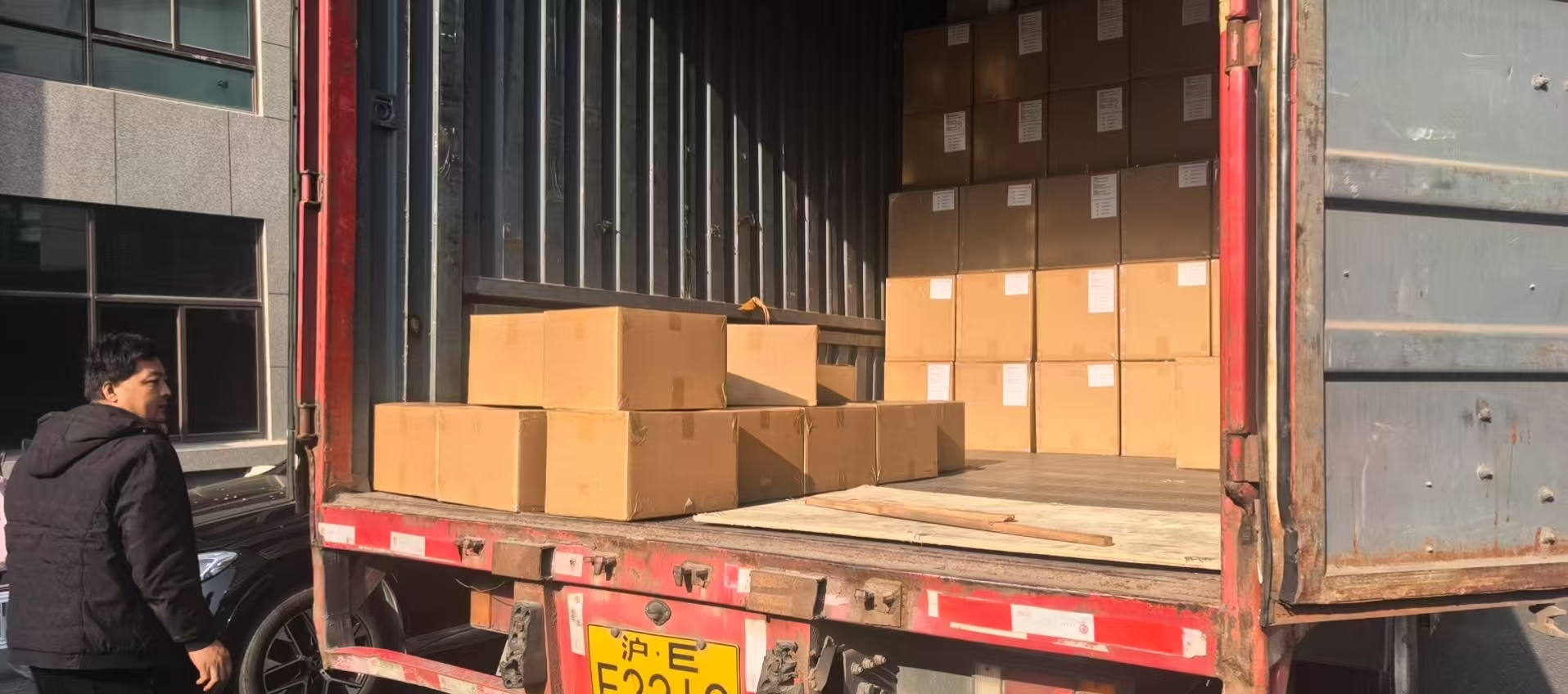
Request a Sample or Quote from LINGO
Contact Hangzhou Lingo Rubber and Plastic Product Co., Ltd for custom plastic parts evaluation, OEM/ODM quotation, or sample requests.
Contact: Colin Lin · Email: sales@lingorp.com · Tel / WhatsApp: +86 18358136245
Website: www.lingorp.com
Have Questions or Need More Details?
Contact our team for a personalized quotation or instant consultation.
Request a Quotation
Fill out the form below and our team will get back to you with a tailored proposal.
WhatsApp Direct Chat
Prefer to chat in real-time? Message us on WhatsApp for instant assistance & quick answers.
- Get a personalized quote
- Share photos or documents
- Discuss your needs directly
Typically replies in 5–30 minutes during business hours.