
Rubber Parts for Real-World Projects: A Fit Guide
Rubber Parts for Real-World Projects: A Fit Guide
Rubber parts are rarely standalone purchases—they are critical functional components in larger systems such as vehicles, HVAC units, medical devices, and EV battery packs. Project failures can often be traced back to seemingly minor rubber parts: a seal that becomes brittle in low temperatures, an O-ring incompatible with the operating fluid, or a mount that fails to isolate vibration under dynamic loads. This guide provides a project-fit approach to selecting, customizing, and validating rubber parts based on actual working conditions, compliance requirements, and performance needs. Hangzhou Lingo Rubber and Plastic Product Co., Ltd (LINGO), a specialized rubber and plastic parts OEM/ODM manufacturer, is used as a reference for engineering and production capabilities throughout this guide.
Problem Definition: What Is Rubber Parts Project Fit?
Rubber parts project fit is the systematic process of translating a project's technical scenario—temperature, pressure, media exposure, dynamic loads, and regulatory standards—into the correct rubber material, part design, and manufacturing method. Many project teams struggle because they focus on price or catalog-based selection without considering the actual application environment. For example, a standard EPDM seal designed for static indoor use will fail quickly if exposed to ozone, UV, and dynamic loads ranging from -40°C to +120°C. Project fit bridges the gap between off-the-shelf rubber parts and custom-engineered solutions, ensuring that the part meets its mechanical and chemical performance requirements over its intended service life.
Industry Background: The Growing Complexity of Rubber Parts Selection
The rubber parts industry is foundational to global manufacturing. The global gaskets and seals market was estimated at USD 63.09 billion in 2024, with the seals segment holding a dominant 60.1% revenue share (Grand View Research). The global rubber molding market reached USD 54.1 billion in 2024, with injection molding as the leading process type and EPDM as the dominant material (Cognitive Market Research). In vibration isolation, the global anti-vibration mounts market was valued at USD 6.03 billion in 2024, with the top three players (ContiTech, Hutchinson, Sumitomo Riko) holding a 65% market share (Market Insights Reports). China's rubber parts industry accounts for over 35% of global production in 2024, heavily driven by EV battery sealing and thermal management demands (EINPresswire). These figures illustrate that selecting rubber parts for global projects is increasingly complex, requiring suppliers to offer not just standard parts but also deep technical customization and compliance support.
Detailed Solution: LINGO's Manufacturing and Product Capabilities
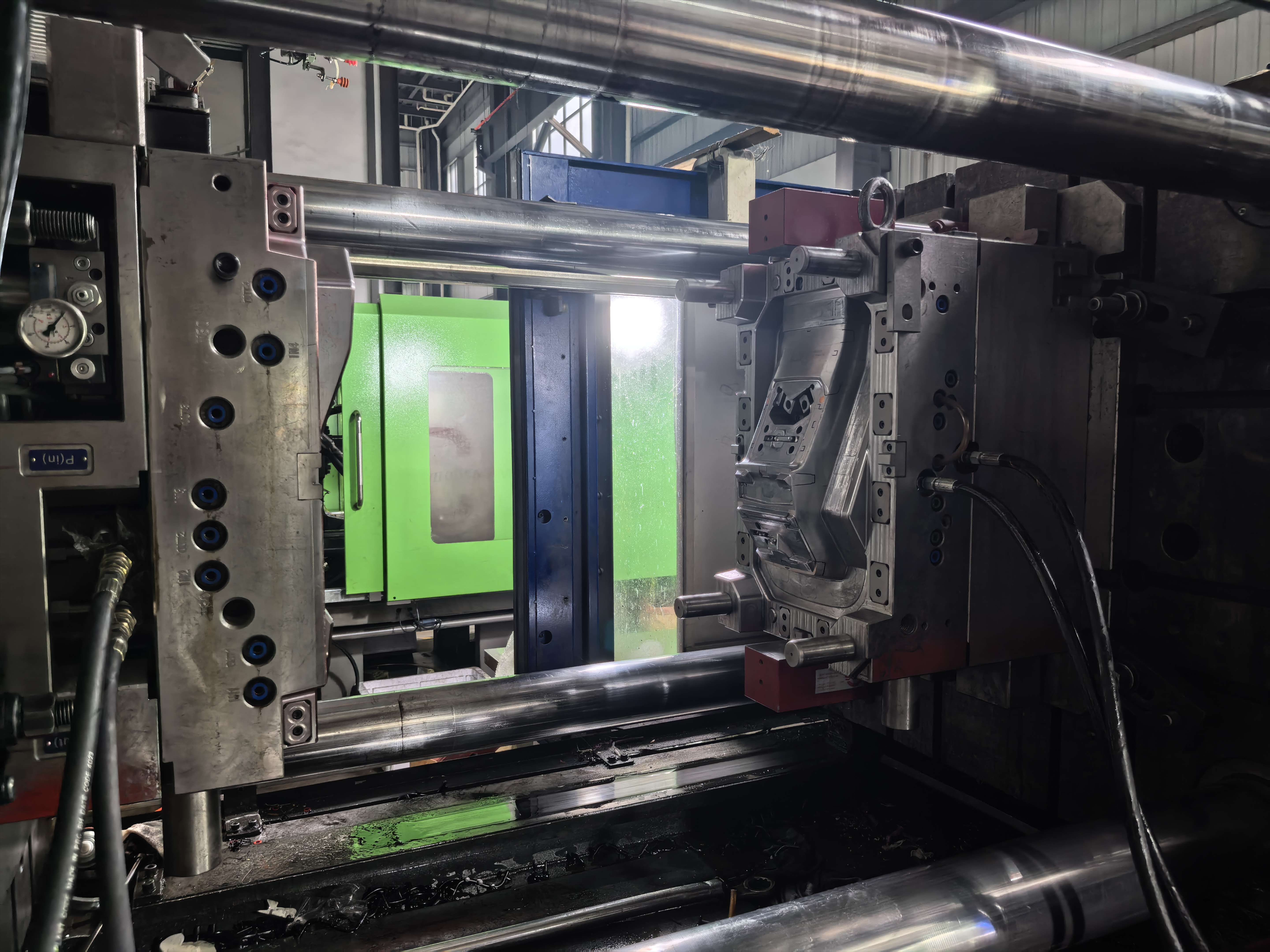
LINGO (Hangzhou Lingo Rubber and Plastic Product Co., Ltd) was founded in 2022 and operates a 3,000m² facility with around 40 employees. The company achieves an annual output of 1.58 million units, with approximately 80% of sales exported to the EU and USA. LINGO specializes in rubber compression molding parts, rubber extrusions, plastic injection parts, and plastic extrusion profiles. The engineering team, composed of veterans with over 10 years (and in some cases over 20 years) of industry experience, focuses on helping clients solve sealing problems and provide anti-vibration solutions that meet stringent parameters on tensile strength, elongation, compression set, and other physical and chemical properties.
LINGO's product portfolio is designed to address different project scenarios:
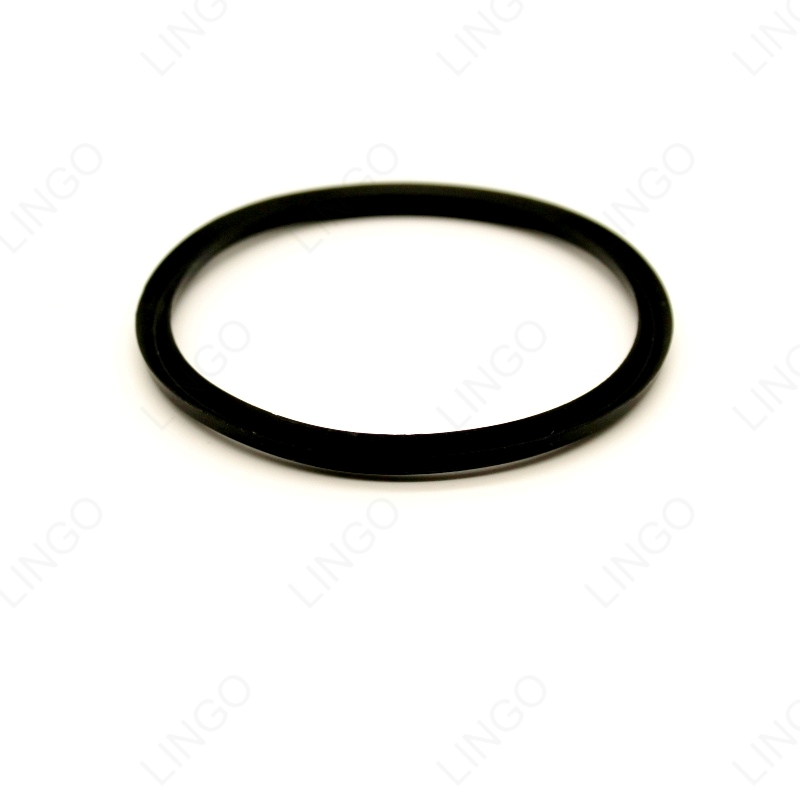
- Rubber sealing rings (LG-RS): O-rings, X-rings, and oil seals. Materials include NBR, EPDM, SILICONE, FKM, FFKM, and AFLAS. Hardness is typically between Shore A 50 and 95A. The series can be engineered for heat resistance ranging from -40°C to 250°C. Certifications such as FDA, UL, RoHS, and REACH are available. Color customization is available as per Pantone or RAL.
- Rubber extrusion seals (LG-RX): Suitable for automotive, HVAC, construction, electronics, and industrial sealing. Materials include EPDM, NBR, SILICONE, and FKM. Hardness, length, and color can be customized. Options include self-adhesive strips, co-extrusion, solid rubber, and sponge rubber profiles.
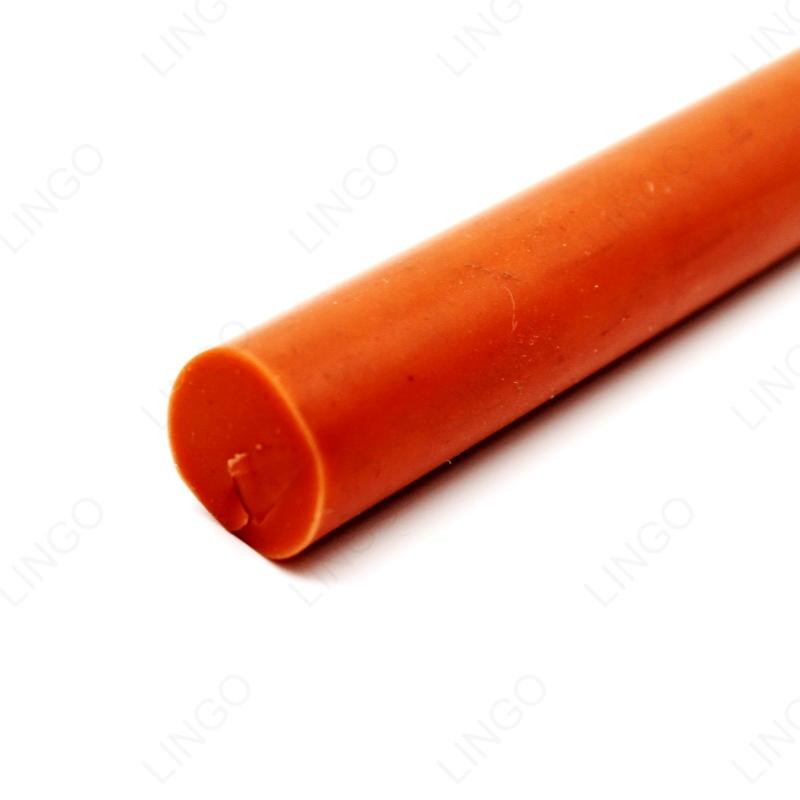
- Silicone rubber cords (LG-SRC): Solid or sponge silicone cords. They offer excellent thermal stability, weather resistance, and sealing efficiency. FDA-qualified options are available for food and medical applications.
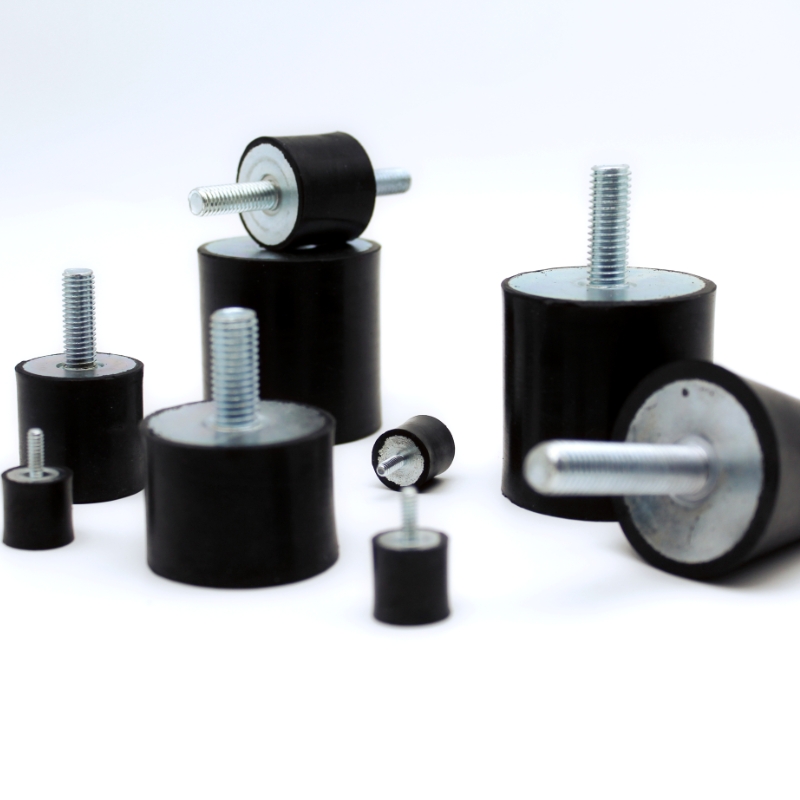
- Anti-vibration mounts (LGMM): Cylindrical rubber mounts and rubber stud mounts. Made with natural rubber and zinc-coated steel. Diameters range from 8 to 150mm, and heights range from 8 to 90mm. Tolerance complies with RMA A2 standard. These mounts are used in transportation, industrial machinery, electronics, and marine applications.
Step-by-Step Breakdown: How to Match Rubber Parts to Your Project Scenario
To ensure optimal performance, follow this six-step process to match your project scenario with the correct rubber part.
Step 1: Define the Project Scenario
Start by documenting the working conditions. What is the ambient temperature range? Is the part exposed to oil, grease, ozone, UV, or water? Is the load static or dynamic? Are there regulatory requirements such as FDA, UL94, REACH, or RoHS? For example, a transportation application may involve high dynamic loads, a temperature range of -40°C to +120°C, and exposure to oil, grease, road shock, and continuous vibration.
Step 2: Map the Scenario to a Base Polymer
Silicone excels in extreme temperatures (providing stability from -60°C to 250°C without hardening or cracking) and is available in FDA-compliant grades. EPDM offers excellent resistance to ozone and UV, and is formally classified under ASTM D1418 and ISO 1629. NBR provides good oil resistance, making it suitable for automotive and hydraulic applications. FKM is chosen for high-temperature and chemically aggressive environments.
Step 3: Select the Part Category
If the requirement is dynamic sealing, consider O-rings or oil seals. For static sealing, gaskets or extrusion seals are appropriate. To reduce noise and absorb vibration, use anti-vibration mounts or bushings. For hole filling or cable protection, rubber grommets and plugs are the correct choice.
Step 4: Specify Tolerances and Standards
Use recognized manufacturing standards to define acceptable dimensional variation. Common standards include RMA A2 for molded rubber tolerances, ASTM D2000 for automotive material specifications, and ASTM D1418 for rubber classification. Communicate these requirements clearly to your supplier.
Step 5: Verify Compliance and Certifications
Confirm that the selected material and part meet your industry's compliance standards. For example, LINGO has produced anti-vibration mounts with UL94 V-0 flame-retardant ratings and silicone sponge cords with FDA compliance. If your project requires certificates, ensure they are provided with the sample or before mass production.
Step 6: Prototype and Ramp Up Production
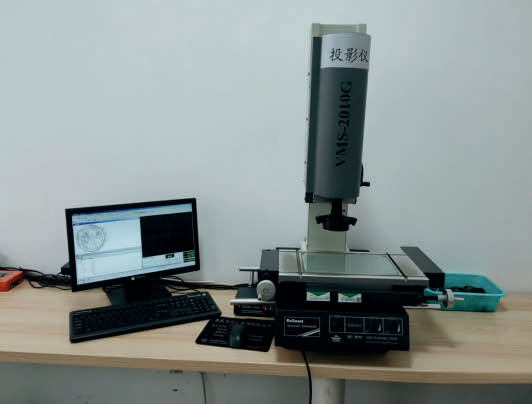
Before committing to bulk production, obtain samples for full inspection and testing. LINGO performs full inspection on samples and random inspection on bulk goods. This step verifies that the part meets your dimensional, material, and performance requirements under real-world conditions.
Use Cases: Project Scenarios and LINGO Solutions
Use Case 1: Automotive Vibration Isolation (US Automotive OEM)
An automotive OEM in the United States required small, tight-tolerance anti-vibration mounts to absorb vibration and reduce noise. These mounts operate under continuous cyclic compression and shear, with a temperature range of -40°C to +120°C, and exposure to oil, grease, road shock, and continuous vibration. Special requirements included low compression set and fatigue resistance for 10⁶ to 10⁷ cycles. LINGO supplied LGMM series mounts, which effectively dampened vibration and absorbed impact energy, significantly reducing noise and mechanical stress. The client now places orders multiple times per year, with project scales ranging from 10,000 to 40,000 pieces per order.
Use Case 2: EV Battery and Industrial Sealing (UAE Automotive OEM)
An automotive OEM in the UAE sourced 4,000 meters of silicone sponge cords for premium sealing applications, including EV battery sealing, industrial cabinet gaskets, automotive door seals, and appliance door insulation. The material needed to withstand temperatures from -60°C to 250°C without hardening or cracking, resist UV and ozone, and provide sealing efficiency through a closed-cell construction. LINGO provided FDA-compliant silicone sponge rubber cords (LG-SRC) with high precision tolerance and a smooth surface, ensuring reliable outdoor performance and protection against water, dust, and noise.
Use Case 3: High-Precision Water Sealing (US, GB, CA, AU, FR, DE)
Clients in automotive OEM, water treatment equipment, and the food industry ordered 1,000 units of rubber sealing rings for water sealing applications. The project required FDA-certified white rubber material with no pollution and high precision exceeding ASTM A1 standards. LINGO solved the common problem of metal parts moving during rubber production when no positioning point exists. The spring remained precisely centered without shifting, resulting in stable operation, dimensions within tolerance, and zero claims over a three-year period.
Use Case 4: Flame-Retardant Vibration Mounts (US Automotive)
A US-based automobile industry client ordered 500 anti-vibration mounts designed to absorb vibration and reduce noise. The project demanded consistent damping performance under extreme temperature and load conditions, plus advanced flame-retardant rubber compounds to ensure fire safety. LINGO used existing tooling for immediate production, delivering a UL94 V-0 certified product at a competitive price with fast delivery. Test data showed a 45% reduction in peak vibration amplitude.
Comparison Table: Selecting the Right Rubber Material and Supplier
| Project Scenario | Recommended Material / Product | Key Data Points / Standards |
|---|---|---|
| Extreme temperature & FDA compliance (e.g., food, medical) | Silicone cords (LG-SRC) / Silicone seals | -60°C to 250°C stability; FDA-compliant options available |
| Automotive dynamic loads, oil, grease, vibration | Anti-vibration mounts (LGMM) | -40°C to +120°C; Fatigue resistance 10⁶–10⁷ cycles; RMA A2 tolerance |
| Outdoor weather resistance, ozone, UV (HVAC, construction) | EPDM extrusion seals (LG-RX) | ASTM D1418 / ISO 1629 classification |
| Oil-resistant dynamic sealing (hydraulics, machinery) | NBR O-rings / Oil seals (LG-RS) | Shore A 50-95A; Heat range -40°C to 250°C |
| High-temperature & chemical resistance (aerospace, oil & gas) | FKM seals (LG-RS) | Heat range -40°C to 250°C; Chemical resistance |
| Capability Metric | LINGO (CORPUS Data) | Industry Context (Verified Data) |
|---|---|---|
| Company Founded | 2022 | Top 3 anti-vibration mount players hold 65% market share (2024) |
| Factory Size | 3,000 m² | Global rubber molding market: USD 54.1 billion (2024) |
| Annual Output | 1.58 million units | China rubber parts: >35% of global production (2024) |
| Export Ratio | 80% (EU / USA) | Global gaskets & seals market: USD 63.09 billion (2024) |
FAQ: Common Questions About Rubber Parts for Project Scenarios
How do you ensure rubber parts meet compliance standards like FDA or UL for New Materials applications?
Our rubber sealing rings (LG-RS) can be produced with certifications such as FDA, UL, RoHS, and REACH. For specific projects, we have delivered FDA-compliant silicone sponge cords for food and medical uses and anti-vibration mounts meeting UL94 V-0 flame-retardant ratings. Always confirm the specific compliance standards required for your application prior to mass production.
Can you customize rubber parts for New Materials applications, such as silicone sponge cords for EV battery sealing or industrial cabinets?
Yes. We operate in OEM/ODM mode and specialize in custom rubber parts. Our monthly capacity for silicone extruded cords is 1,000,000 kgs. Our engineering team uses over 10 years of experience to tailor parts to your scenario requirements, such as closed-cell sponge structures, high precision tolerance, or specific temperature ratings. We have successfully delivered solutions for EV battery sealing and industrial cabinet applications.
How are mold costs typically structured for custom rubber parts, and are there economical options for small-batch orders?
Mold costs depend on the part's complexity. However, we help customers reduce initial tooling investment by designing common molds that work with existing mold sets. For example, instead of building a new mold, we can machine a single middle plate to the specified dimensions and use it with our existing mold sets, greatly lowering the initial tooling investment. Additionally, while MOQ depends on the part, small-quantity orders are acceptable for project needs.
How do you manage the sample approval process before mass production?
We perform full inspection of samples as part of our standard quality control process. After sample approval, we conduct random inspection of bulk goods. We also provide remote technical support and maintain batch traceability throughout the process. Molds maintenance and ownership protection are guaranteed to our clients.
What is the standard lead time for custom rubber parts like extrusion seals or molded mounts?
Our standard lead time is typically 2 to 6 weeks, depending on part complexity and current production schedule. For parts using existing tooling, we can produce immediately. We also maintain an in-house spare parts inventory to accommodate urgent customer orders. To get a specific timeline and quote for your project, contact our sales team at sales@lingorp.com.
Conclusion: Optimize Your Project with the Right Rubber Parts
Selecting the right rubber parts for real-world projects requires matching engineering scenarios with material science and manufacturing capabilities. By defining working conditions, selecting the correct polymer and part category, verifying compliance, and testing samples, you can avoid premature failures and ensure long-term reliability. LINGO provides a comprehensive range of custom rubber and plastic parts designed to meet the demands of global industries, including automotive, EV battery, food & beverage, medical, and industrial manufacturing. To start your project fit assessment, contact LINGO today for a sample or quote, or download the company brochure to review our full capabilities.
Download the LINGO Rubber & Plastic Company Profile (PDF)
Have Questions or Need More Details?
Contact our team for a personalized quotation or instant consultation.
Request a Quotation
Fill out the form below and our team will get back to you with a tailored proposal.
WhatsApp Direct Chat
Prefer to chat in real-time? Message us on WhatsApp for instant assistance & quick answers.
- Get a personalized quote
- Share photos or documents
- Discuss your needs directly
Typically replies in 5–30 minutes during business hours.