
Rubber Parts Supply Partnerships: A Procurement Playbook for Long-Term Success
Rubber Parts Supply Partnerships: A Procurement Playbook for Long-Term Success
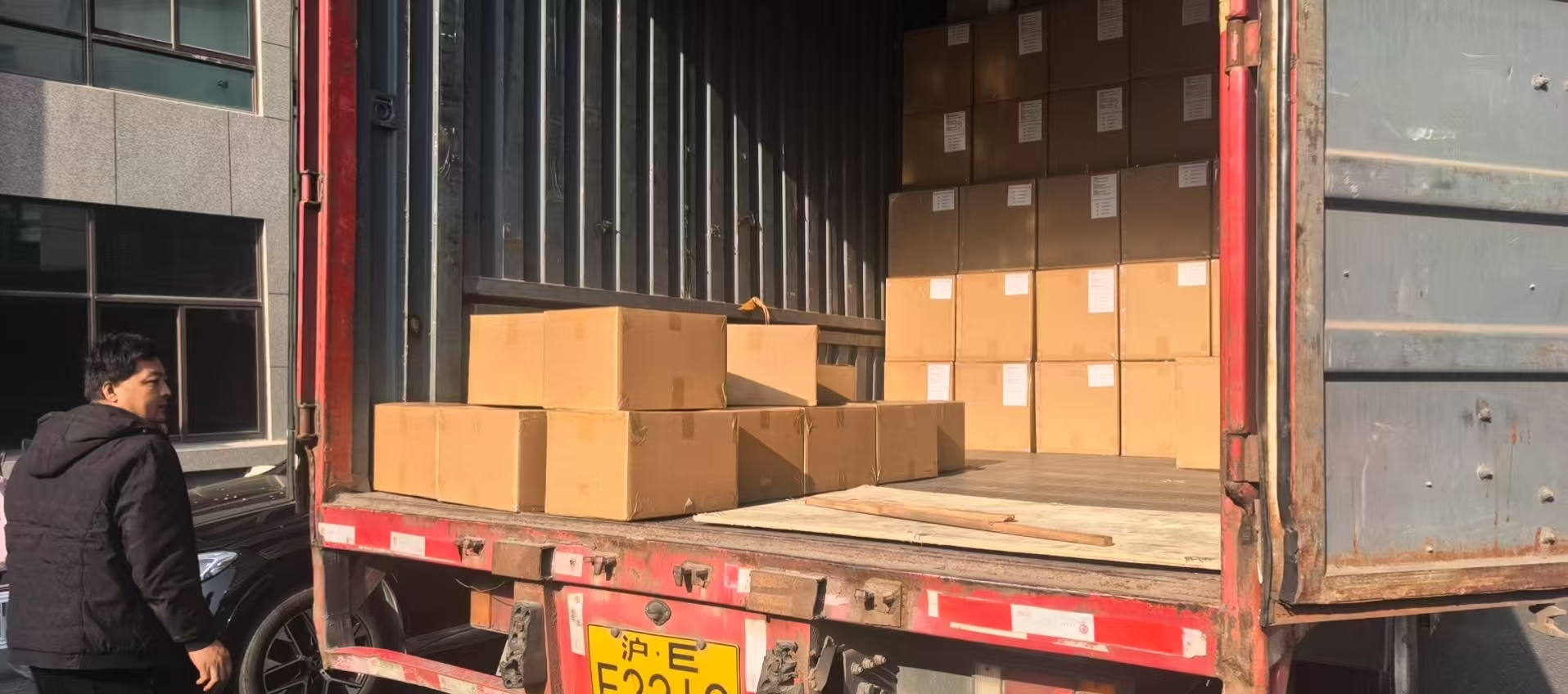
When a purchasing team selects a rubber parts manufacturer, the first order usually receives the most attention. Yet the real value of a supplier is measured over years, not over a single purchase order. For seals, o-rings, grommets, anti-vibration mounts, rubber gaskets, and extrusion profiles, consistency is what prevents downtime, rework, and field failures. This article explains what a long-term rubber parts supply partnership looks like in practice and why production discipline matters more than low initial quotes. It also shows how Lingo Rubber Plastic has built its manufacturing and quality system around repeatable performance.
The Problem: Why Long-Term Rubber Parts Programs Fail
Long-term rubber parts sourcing often fails for reasons that have nothing to do with the material itself. Quality drifts because process parameters are not standardized. Surface defects appear when molds are not maintained. Dimension out-of-tolerance occurs when shrinkage is not simulated correctly during tool design. Lead times stretch when the supplier is operating without buffer capacity. And communication breaks down when there is no clear point of contact after shipment.
These are not rare events. Common rubber-part failure modes include hardening or softening due to aging, inconsistent surface gloss, blooming where frost appears on the product surface, and dimensional drift. For a buyer, each of these issues creates hidden costs beyond the unit price: inspection time, production stops, replacement logistics, and potential damage to the end product's reputation. Long-term partnerships therefore need to be built around prevention and measurable process control, not firefighting.
Industry Background: Rubber Parts Are Strategic Components
Rubber components are central to a wide range of industries, and demand continues to grow. The global gaskets and seals market was estimated at USD 63.09 billion in 2024, with the seals segment holding 60.1% of revenue. The global rubber molding market reached USD 54.1 billion in the same year, with injection molding as the leading process and EPDM as the dominant material. Anti-vibration mounts alone represented a USD 6.03 billion market in 2024. These figures underline a simple point: rubber parts are not commodity spot buys. They are engineered components whose long-term performance depends on consistent manufacturing.
The supply side is also consolidating around specialized producers. China's rubber parts industry accounts for over 35% of global production, a share that is heavily influenced by the country's EV battery sealing and thermal management demand. For international buyers, this means the supplier evaluation process should go beyond RFQs and include production capability, quality systems, tolerance control, and capacity flexibility.
Detailed Solution: How Lingo Rubber Plastic Supports Long-Term Supply
Lingo Rubber Plastic, officially Hangzhou Lingo Rubber and Plastic Product Co., Ltd, is a China-based manufacturer that targets long-term industrial supply relationships. The company was founded in 2022 by a team with cumulative rubber and plastics industry experience of over 10 years, and in some cases more than 20 years. It operates a 3,000 square-meter facility with approximately 40 employees, an R&D team of 10, and monthly production capacity of 1,000,000 kgs. About 80% of sales are exported to the EU and USA, with additional export demand from the Middle East.
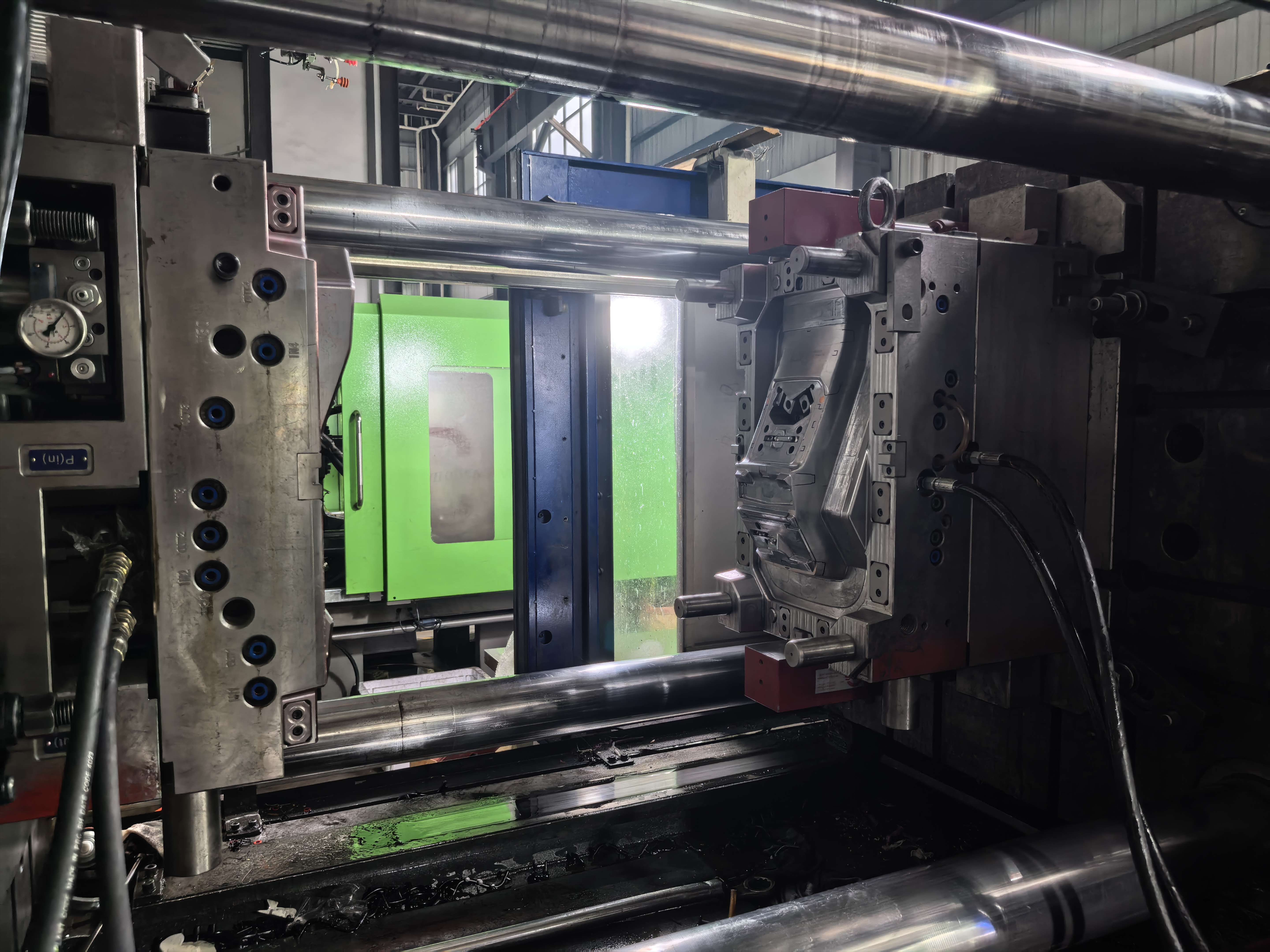
What makes Lingo relevant for long-term partnerships is not just the capacity figure, but the range of processes it can handle internally. The company produces:
- Rubber molding parts: rubber sealing rings, rubber grommets, rubber bonded to steel, anti-vibration mounts, rubber bellows, rubber o-rings, rubber bushings, rubber diaphragms, and rubber gaskets.
- Rubber extrusion parts: solid rubber strips, sponge rubber extrusion strips, grooved rubber strips, self-adhesive rubber strips, silicone rubber strips, and rubber insert strips.
- Plastic injection parts: plastic gaskets, washers, caps, housings, handles, and guide rails.
- Plastic extrusion parts: PA6/PA66 trims, PE/HDPE/UHMWPE trims, glass-filled trims, co-extruded trims, decorative trims, and TPE trims.
The breadth matters because many long-term programs combine sealing and anti-vibration needs. A supplier that can handle both rubber and plastic, molding and extrusion, reduces qualification risk and simplifies supply chain management.
On the quality side, Lingo controls tolerances according to rubber RMA A2 and plastic M1-M3 standards, and maintains tolerance control capability at CPK of at least 1.33. This is not a marketing statement; it is a process metric that gives buyers a statistical basis for trusting the parts that come off the production line. The company also uses self-developed mold structures that increase output and reduce unit price, and it maintains high mold durability to avoid tooling-related variations in long production runs.
Step-by-Step Breakdown: Building a Long-Term Rubber Parts Partnership
Step 1: Define the Rubber Parts Requirement Precisely
Long-term success begins with the specification. The buyer should document the required material (NBR, EPDM, silicone, FKM, NR, CR, etc.), Shore A hardness, temperature range, chemical exposure, tolerance class, surface finish, and application environment. Lingo's catalog covers materials such as NBR, EPDM, silicone, natural rubber, CR, SBR, FKM, FFKM, and AFLAS. A precise requirement reduces ambiguity and helps the supplier select the correct substrate and formulation.
Step 2: Evaluate Supplier Production Capacity and Experience
The supplier must have enough capacity to support your forecast without constant bottlenecks. Look at factory size, headcount, R&D resources, and monthly output. Lingo's 3,000 square-meter plant, 40 employees, and monthly capacity of 1,000,000 kgs provide a credible base for mid-to-high volume programs. The R&D team of 10 also indicates the ability to handle custom formulations and modifications.
Step 3: Verify Tolerance Control and Quality Assurance Standards
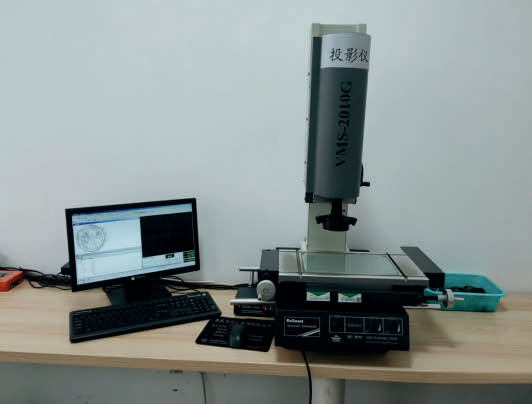
Ask for tolerance standards, quality metrics, and inspection processes. Lingo follows rubber RMA A2 and plastic M1-M3, with process capability of CPK at least 1.33. The company performs product sampling inspections, calibrates measuring tools according to CNAS requirements, and uses mold cavity pressure sensors for real-time monitoring. These are concrete indicators of statistical process control.
Step 4: Validate with Samples and Small-Batch Orders
Before committing to long-term production, run samples and, if possible, a small first order. Lingo accepts small quantities; the MOQ varies by product. This allows buyers to verify materials, dimensions, surface quality, and fit before scaling. Sample payments can be made through PayPal, which lowers the friction of evaluation.
Step 5: Agree on Quality Agreements and After-Sales Terms
A long-term partnership should include a supplier quality agreement that defines test reports, batch traceability, and response procedures. Lingo's approach includes testing the vulcanization characteristics of each batch of rubber compound, retaining core raw material samples for traceability, and implementing a supplier quality agreement that requires test reports from upstream suppliers. After-sales service covers replacement or refund for defective items, which protects the buyer from field-level failures.
Step 6: Manage Molds, Tooling, and Process Variables
Mold condition directly affects surface finish and dimensional stability. Lingo builds molds with a self-developed structure intended to improve output and extend mold life. The company follows a mold maintenance plan, regularly checks surface finish, standardizes process parameters through SOPs, and performs first-piece surface gloss testing. These practices minimize the risk of inconsistent appearance and dimensional drift over time.
Step 7: Plan for Scale, Logistics, and Ongoing Communication
Finally, plan for how orders will grow. Lingo offers multiple delivery methods including EXW, FOB, CIF, and DDP, and payment terms include T/T, L/C at sight, D/P for certain destinations, PayPal for samples, and credit terms for established customers. Pre-shipment testing is included before dispatch. Typical production lead time is 2 to 6 weeks. These commercial terms support both small validation orders and larger, predictable replenishment cycles.
Use Cases: Where Long-Term Rubber Parts Supply Matters
Long-term rubber parts supply partnerships matter in every industry where downtime or leakage creates risk.
- Transportation and automotive: Anti-vibration mounts, such as cylindrical rubber mounts, and rubber sealing rings reduce noise, vibration, and harshness while protecting fluid systems. Natural rubber with zinc-coated steel is a common construction; Lingo's anti-vibration mount range covers diameters from 8 to 150 mm and heights from 8 to 90 mm.
- Industrial machinery: Rubber grommets, washers, and gaskets isolate sensitive components from shock and contamination. Producers can rely on EPDM, NBR, or FKM depending on oil and temperature exposure.
- Construction and building: Rubber extrusion seals and EPDM rubber gaskets for door and window frames need weather resistance and long service life. EPDM's classification under ASTM D1418 / ISO 1629 reflects its strong ozone and UV resistance.
- Electronics and precision instruments: Micro precision rubber plugs and grommets made from silicone or EPDM protect enclosures from dust and moisture.
- Healthcare and food processing: FDA-qualified silicone rubber cords and sealing components are used where cleanliness and heat resistance are required.
Comparison Table: Lingo Rubber Plastic vs. Typical Rubber Parts Suppliers
The table below summarizes the capabilities Lingo distinguishes from general rubber and plastic suppliers. Individual suppliers vary, so the comparison is directional rather than a ranking.
| Aspect | Lingo Rubber Plastic | Typical Industry Suppliers |
|---|---|---|
| Quality Stability | High product stability; material modification to extend service life | Varies; can drift over long runs |
| Tolerance Control | Rubber per RMA A2; plastic per M1-M3; CPK at least 1.33 | Often less formalized; wider variation |
| After-Sales Service | Replacement or refund for defective items; quick response | May be limited to warranty period |
| Mold and Tooling | Self-developed molds; higher output; extended mold life | Conventional tooling; shorter maintenance cycles |
| Cost Reduction | Low defect rate, stable output, longer mold life lowers total cost | Higher total cost driven by rework and scrap |
| Capacity and Lead Time | Monthly capacity 1,000,000 kgs; lead time 2-6 weeks | Smaller throughput; longer scheduling windows |
Note: Typical reflects common industry constraints; the exact profile depends on the supplier.
Frequently Asked Questions
1. Does Lingo Rubber Plastic meet international tolerance and quality requirements for long-term rubber parts programs?
Yes. Lingo controls rubber parts tolerances according to RMA A2 standards and plastic parts according to GB/T 14486 M1-M3 standards. The company maintains tolerance control capability at CPK at or above 1.33, performs pre-shipment testing, and uses calibrated measuring tools to ensure dimensional consistency.
2. What makes Lingo a reliable long-term rubber parts supply partner in China?
Lingo combines a 3,000 square-meter factory, around 40 employees, a 10-person R&D team, and a monthly production capacity of 1,000,000 kgs. It supports OEM/ODM production, exports to the EU, Middle East, and USA, and provides after-sales service that includes replacement or refund for defective items. These capabilities make it easier for buyers to scale and sustain a multi-year program.
3. How does Lingo help buyers reduce total cost over a long-term engagement?
Lingo reduces overall product cost through high product stability, a low defect rate, extended mold life, and material modification formulas that improve service life. Machine-based production and cryogenic or machine deflashing lower labor costs, which can lead to more stable pricing over time.
4. Can I request samples before committing to a volume order?
Yes. The minimum order quantity varies by product, and small quantities are accepted. For sample payments, PayPal is available. Before shipment, Lingo performs pre-shipment testing, so buyers can verify material, dimensions, and surface quality as part of the approval process.
5. What are Lingo's production lead times and export service options?
Typical production lead time is 2 to 6 weeks. Lingo exports to the EU, Middle East, and USA, and supports delivery terms such as EXW, FOB, CIF, and DDP. For larger orders, L/C at sight and other payment arrangements can be discussed. If you need a quote for your application, contact sales@lingorp.com or use the WhatsApp link below.
Conclusion
A long-term rubber parts supply relationship is not defined by the first order. It is defined by the supplier's ability to maintain tolerances, manage molds, control material consistency, communicate clearly, and adapt when volume or specifications change. Lingo Rubber Plastic has constructed its production system around these requirements, from a 3,000 square-meter facility and monthly capacity of 1,000,000 kgs to RMA A2 tolerance control and after-sales replacement.
If you are evaluating rubber parts suppliers for a long-term program, use the steps in this playbook to assess capability before signing a contract. And if you want to see how Lingo approaches quality, capacity, and service, download the company profile PDF for a more detailed overview.
Download Company Profile: Lingo Rubber and Plastic Company Profile
Contact: Colin Lin — sales@lingorp.com | Tel/WhatsApp: +86 18358136245
Have Questions or Need More Details?
Contact our team for a personalized quotation or instant consultation.
Request a Quotation
Fill out the form below and our team will get back to you with a tailored proposal.
WhatsApp Direct Chat
Prefer to chat in real-time? Message us on WhatsApp for instant assistance & quick answers.
- Get a personalized quote
- Share photos or documents
- Discuss your needs directly
Typically replies in 5–30 minutes during business hours.