
Rubber Parts Under the Lens: What Certifications, Materials, and Tolerances Really Tell You
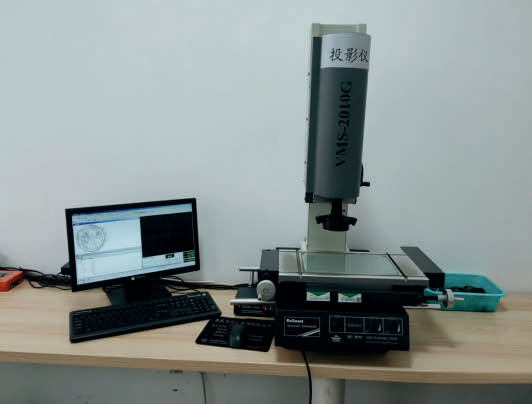
Dimensional inspection is one of the first checks buyers should require before approving rubber parts for production.
Rubber Parts Under the Lens: What Certifications, Materials, and Tolerances Really Tell You
What This Guide Covers
Before you approve a rubber part for production, you need clear answers to a narrow set of questions. What material is the part actually made of? What hardness and temperature range will it tolerate? Which tolerance standard applies to the dimensions? What certifications back the compound and the manufacturing process?
These constraints—material, parameter, tolerance, and certification—determine whether a rubber seal, o-ring, or anti-vibration mount survives its real working environment. This guide explains how to read those constraints, what data points matter most during supplier evaluation, and what a qualified supplier should be able to show you.
Throughout the guide, we use Lingo Rubber Plastic—officially Hangzhou Lingo Rubber and Plastic Product Co., Ltd, a China-based rubber and plastics manufacturer founded in 2022—as a concrete example. The company operates a 3,000 m² facility with around 40 employees and a 10-person R&D team, producing approximately 1.58 million units per year. About 80% of its output is exported to the EU and USA. Lingo specializes in rubber compression molding, rubber extrusion, plastic injection, and plastic extrusion, with a stated focus on helping clients solve sealing problems and provide anti-vibration solutions.
Why Rubber Parts Fail in Real Projects Without Proper Constraints
Rubber parts look deceptively simple. A rubber gasket, sealing ring, or mount can appear identical to another part made from a completely different compound. But the performance difference is enormous.
The core problem is that a drawing shows geometry, not material behavior. Rubber compresses, shears, ages, and permanently deforms under dynamic load. A material that works at room temperature may harden and crack at -40°C, swell in oil, or degrade under ozone and UV exposure. If the buyer does not specify and verify the compound and its physical limits, the part may pass initial sampling and fail in the field.
For procurement teams moving from research into supplier evaluation, the practical question is not just “can you make this part?” but “can you prove the material and process will meet the operating constraints?” That shift—from shape-based buying to constraint-based buying—is the difference between a one-time sample and a reliable long-term supply.
The Scale of the Rubber Parts Market: Why Verification Matters More Than Ever
Rubber parts are not a niche category. Market data helps explain why professional buyers are paying more attention to specifications and certifications.
- The global gaskets and seals market was estimated at USD 63.09 billion in 2024, with the seals segment holding a dominant 60.1% revenue share, according to Grand View Research.
- The global rubber molding market reached USD 54.1 billion in 2024, with injection molding as the leading process type and EPDM as the dominant material, according to Cognitive Market Research.
- The global anti-vibration mounts market was valued at USD 6.03 billion in 2024, with the top three players—ContiTech, Hutchinson, and Sumitomo Riko—holding 65% market share, according to Market Insights Reports.
- China’s rubber parts industry accounts for over 35% of global production in 2024, heavily driven by EV battery sealing and thermal management demands, according to an industry analysis published via EINPresswire.
- Beyond market size, formal classification standards matter. EPDM rubber materials are classified under ASTM D1418 and ISO 1629, and rubber materials for automotive seals and gaskets frequently need to comply with ASTM D2000 specifications for temperature and oil resistance.
When the market is this large and globally distributed, documentation becomes the main tool for separating qualified suppliers from unverified ones.
The Constraints That Matter: Materials, Parameters, and Certifications
Lingo Rubber Plastic’s product range illustrates the type of specification data a supplier should be able to provide. The company’s catalog includes rubber sealing rings, anti-vibration mounts, rubber extrusion seals, and silicone rubber cords—each with defined material options, measurable parameters, and certification coverage.
Certifications That Indicate Traceability: MSDS, PPAP, and UL 94 V-0
Certifications are the first layer of constraint verification. Lingo holds several that are directly relevant to international buyers.
- MSDS (Material Safety Data Sheet): The rubber sealing rings product is covered by MSDS certification, which applies to both the EU and USA markets.
- PPAP (Production Part Approval Process): The company holds PPAP certification for automotive production. This covers silicone rubber cords, plastic injection parts, rubber sealing rings, and anti-vibration mounts—meaning these products are produced under a formal automotive approval process.
- UL 94 V-0 Flammability Certification: A CTI test report, certificate number A2260538692101, covers CR neoprene rubber with a UL 94 V-0 vertical burning test rating. The certificate was issued on 2026-07-03 and is relevant to EU, US, and Middle East markets. It applies to related rubber sealing rings, rubber extrusion seals, and anti-vibration mounts using CR neoprene compound.
- FDA and other options: The LG-RS rubber sealing rings parameter list includes FDA, UL, RoHS, REACH, and similar certifications as available depending on material and application.
Rubber Sealing Rings (LG-RS): Hardness, Heat Range, and Material Choice
Model LG-RS covers rubber o-rings, rubber x-rings, and rubber oil seals. This is one of the most common rubber part categories, but its specification range is wider than many buyers expect.
Available materials include NBR, EPDM, SILICONE, NR, CR, SBR, FKM, FFKM, and AFLAS. Hardness is normally specified in Shore A, typically 50–95A. The heat range spans -40°C to 250°C, and the parts can be formulated for ozone resistance, water resistance, oil resistance, and other performance requirements. Color can be customized per Pantone or RAL.
LG-RS sealing rings are intended for industries including aerospace and aviation, automotive and transportation, oil, gas and chemical processing, food and beverage, pharmaceutical and medical devices, water treatment and plumbing, electronics and electrical, marine and shipbuilding, and heavy machinery and hydraulics.
Anti-Vibration Mounts (LGMM): Mechanical Range and Tolerance Standard
Model LGMM is an anti-vibration mount in the cylindrical rubber mounts category, classified as a rubber stud mount. It provides vibration isolation and is made of natural rubber with zinc-coated steel.
The dimensional range is clearly defined: diameter from 8 to 150 mm, height from 8 to 90 mm. Tolerance complies with the RMA A2 standard. These parameters matter for engineers evaluating whether a mount can fit within an existing bracket design and hold consistent performance across batches.
LGMM is intended for transportation, industrial machinery, electronics and precision instruments, construction and civil engineering, and marine and military applications.
Rubber Extrusion Seals (LG-RX): Profiles Built to Industry Tolerances
Model LG-RX covers silicone rubber extrusion seals, rubber extrusion seals with adhesive, rubber co-extrusion seals, FKM rubber extrusion seals, solid rubber extrusion seals, and sponge rubber extrusion seals. Materials include EPDM, NBR, Silicone, and FKM.
Hardness per Shore A is customer-defined, length is as required, and color can be customized per Pantone or RAL. The parts meet industry standard tolerances. LG-RX is intended for household appliances, marine and offshore, industrial manufacturing, HVAC and refrigeration, automotive and transportation, aerospace and aviation, medical and healthcare, and food and beverage industries.
Silicone Rubber Cords (LG-SRC): FDA-Compliant Sealing for Demanding Applications
Model LG-SRC is a silicone rubber cord available in solid or sponge variants. It is made of silicone rubber, is heat resistant, and is FDA qualified. Length and color are customizable per Pantone or RAL.
These cords are intended for household appliances, marine and offshore, industrial manufacturing, electronics and electrical, laboratory and analytical, HVAC and refrigeration, automotive and transportation, aerospace and aviation, medical and healthcare, and food and beverage industries.
How to Verify a Rubber Parts Supplier in Five Steps
The following workflow applies the constraint-based approach to a real supplier evaluation. It is designed for engineers and procurement professionals comparing custom rubber parts suppliers.
- Define the operating envelope. Before contacting suppliers, document temperature range, media exposure (oil, water, ozone, chemicals), dynamic load or vibration, and any food, medical, or flame-retardant requirements.
- Match the material family to the application. NBR is commonly associated with oil resistance, EPDM with ozone and water resistance, silicone with heat resistance and FDA-qualified applications, and FKM with more demanding chemical environments. The LG-RS product line lists these materials explicitly, along with performance options such as ozone resistant, water resistant, and oil resistant.
- Check certification coverage against destination market. For EU and USA shipments, confirm MSDS documentation exists for the product—as Lingo provides for its rubber sealing rings. For automotive supply chains, ask whether PPAP applies. For food or medical contact, confirm FDA-qualified material. For fire-risk environments, request the relevant flammability test report, such as UL 94 V-0.
- Confirm tolerances and measurable parameters. Use the supplier’s data sheet to check Shore A hardness, temperature range, dimensional limits, and the applicable tolerance standard. For example, LGMM defines diameter 8–150 mm, height 8–90 mm, and tolerance per RMA A2. LG-RS defines Shore A 50–95A and a heat range of -40°C to 250°C.
- Audit quality control and lead time expectations. Ask how samples and bulk goods are inspected. Lingo’s stated quality control process includes full inspection of samples and random inspection of bulk goods. For production planning, confirm lead time—Lingo quotes 2 to 6 weeks depending on the part—and after-sales support such as remote technical support, mold maintenance and ownership protection, batch traceability, and free exchange or acceptance of concessions.
Certification-Intensive Rubber Parts Projects: Evidence from the Field
Case-level evidence helps show how certifications and parameters translate into project outcomes. The following examples come from Lingo Rubber Plastic’s published project records.
Automotive OEM in the USA: Vibration Absorbers with Tight Tolerances
An automotive OEM customer in the USA ordered quantities ranging from 10,000 to 40,000 pieces of rubber shock absorbers designed to absorb vibration and reduce noise. The parts were small, with tight tolerances and a requirement for consistent batch-to-batch quality. Lingo maintained an in-house spare parts inventory to accommodate urgent customer orders. Instead of building a new mold, the team machined a single middle plate to the specified dimensions and used it with existing mold sets, which significantly lowered the initial tooling investment. The result was effective vibration damping, reduced noise and mechanical stress, smooth motion control, and protection of sensitive components from shock and oscillation damage.
Automotive Customer in the USA: UL 94 V-0 Certified Mounts
A customer in the automobile industry ordered 500 pieces, roughly four times per year, of a product designed to absorb vibration and reduce noise. The rubber shock absorbers used an advanced flame-retardant rubber compound to ensure fire safety, and the product was UL 94 V-0 certified. Test data showed a 45% reduction in peak vibration amplitude. The project benefited from existing tooling for immediate production, competitive pricing, and fast delivery.
Automotive OEM in the UAE: FDA Silicone Sponge Cords for Sealing Systems
An automotive OEM in the UAE ordered 4,000 meters of silicone sponge cords as premium sealing solutions. Typical uses included EV battery sealing, industrial cabinet gaskets, automotive door seals, appliance door insulation, building window weatherstripping, and medical device sealing. The material was FDA silicone sponge rubber, with high precision tolerance, high temperature resistance, and a smooth surface. The sealing solution offered thermal stability from -60°C to 250°C, UV and ozone resistance, closed-cell construction that kept out water, dust, and noise, and non-toxic FDA-compliant options for food and medical uses.
Automotive, Water Treatment, and Food Industry Clients: Zero-Claim Water Sealing
Clients in the USA, UK, Canada, Australia, France, and Germany ordered 1,000 units of a water sealing component. The application required FDA-certified white rubber material with no contamination risk, and high precision exceeding ASTM A1 standards. The project solved a common problem: metal parts moving during rubber production when no positioning point exists. The spring remained precisely centered without shifting, dimensions stayed within tolerance, and the customer reported stable operation with zero claims over three years.
At-a-Glance Comparison: Lingo Rubber Plastic Product Range
| Model / Category | Key Materials | Key Specifications | Certifications / Standards | Typical Use |
|---|---|---|---|---|
| LG-RS / Rubber sealing rings (O-ring, X-ring, oil seal) | NBR, EPDM, SILICONE, NR, CR, SBR, FKM, FFKM, AFLAS | Shore A 50–95A; -40°C to 250°C; ozone, water, oil resistant options | MSDS (EU, USA), PPAP, UL 94 V-0 (CR), FDA / UL / RoHS / REACH options | Automotive, aerospace, oil & gas, food & beverage, pharma, water treatment |
| LGMM / Anti-vibration mounts (cylindrical, stud) | Natural rubber with zinc-coated steel | Diameter 8–150 mm; height 8–90 mm; RMA A2 tolerance | PPAP, UL 94 V-0 (CR) | Transportation, industrial machinery, electronics, construction, marine & military |
| LG-RX / Rubber extrusion seals | EPDM, NBR, Silicone, FKM | Hardness per Shore A; length as required; industry standard tolerances; custom Pantone/RAL color | PPAP, UL 94 V-0 (CR) | HVAC, automotive, aerospace, medical, food & beverage, household appliances, marine |
| LG-SRC / Silicone rubber cords (solid, sponge) | Silicone rubber | Solid or sponge; FDA qualified; heat resistant; custom length and color | PPAP, FDA | Food & beverage, medical, electronics, automotive, household appliances, industrial |
Frequently Asked Questions
What certifications should rubber parts have for EU and USA markets?
At minimum, confirm that the product has a Material Safety Data Sheet (MSDS). For rubber sealing rings, Lingo Rubber Plastic provides MSDS coverage for both the EU and USA markets. If the part will be used in a fire-risk environment, request the applicable flammability certification—for example, the UL 94 V-0 vertical burning test report for CR neoprene rubber, certificate number A2260538692101. For automotive supply chains, verify that the production part approval process (PPAP) applies. For food or medical contact, FDA-qualified materials should be specified.
How do I specify rubber hardness, temperature range, and tolerance?
Three parameters are essential. Hardness is specified in Shore A: the LG-RS rubber sealing rings are normally available from 50 to 95 Shore A. Temperature range determines the operating envelope: LG-RS covers -40°C to 250°C, and silicone rubber cords are heat resistant. Tolerance is usually defined against a standard: the LGMM anti-vibration mounts comply with RMA A2, with diameters from 8 to 150 mm and heights from 8 to 90 mm. Where required, length, hardness, and color can be customized per Pantone or RAL.
Are small-quantity orders possible for custom rubber parts?
Yes. Lingo Rubber Plastic states that the minimum order quantity depends on the part, and small quantity orders are acceptable. This is useful during prototyping, pilot runs, or low-volume production. The factory’s annual output of approximately 1.58 million units provides capacity to scale up once design and testing are complete.
Can I get samples before mass production?
Yes. The quality control process includes full inspection of samples before approval and random inspection of bulk goods after production. Lingo also maintains an in-house spare parts inventory to accommodate urgent customer orders, which can shorten the time needed for replacement or repeat sampling.
What is the typical lead time for custom rubber parts?
Typical lead time is 2 to 6 weeks depending on the part and production schedule. After-sales support includes remote technical support, mold maintenance and ownership protection, batch traceability, and free exchange or acceptance of concessions. For a project-specific lead time and quotation, contact sales@lingorp.com.
Final Checklist and Next Steps
A reliable rubber parts supplier should be able to show you four things: a defined material family, measurable physical parameters, a clear tolerance standard, and certification coverage that matches your destination market. If any one of these is missing, the part is not fully specified.
Lingo Rubber Plastic demonstrates this level of documentation across its LG-RS sealing rings, LGMM anti-vibration mounts, LG-RX extrusion seals, and LG-SRC silicone cords—with MSDS, PPAP, UL 94 V-0, and FDA-qualified options where applicable.
For a complete view of the company’s production scope and capabilities, download the Lingo Rubber & Plastic Company Profile.
Ready to verify a rubber part against your constraints?
Contact Colin Lin at Hangzhou Lingo Rubber and Plastic Product Co., Ltd.
Email: sales@lingorp.com
Tel / WhatsApp: +86 18358136245
Website: www.lingorp.com
Address: Rm1303 Meiya Plaza, LP, HZ, China 311100
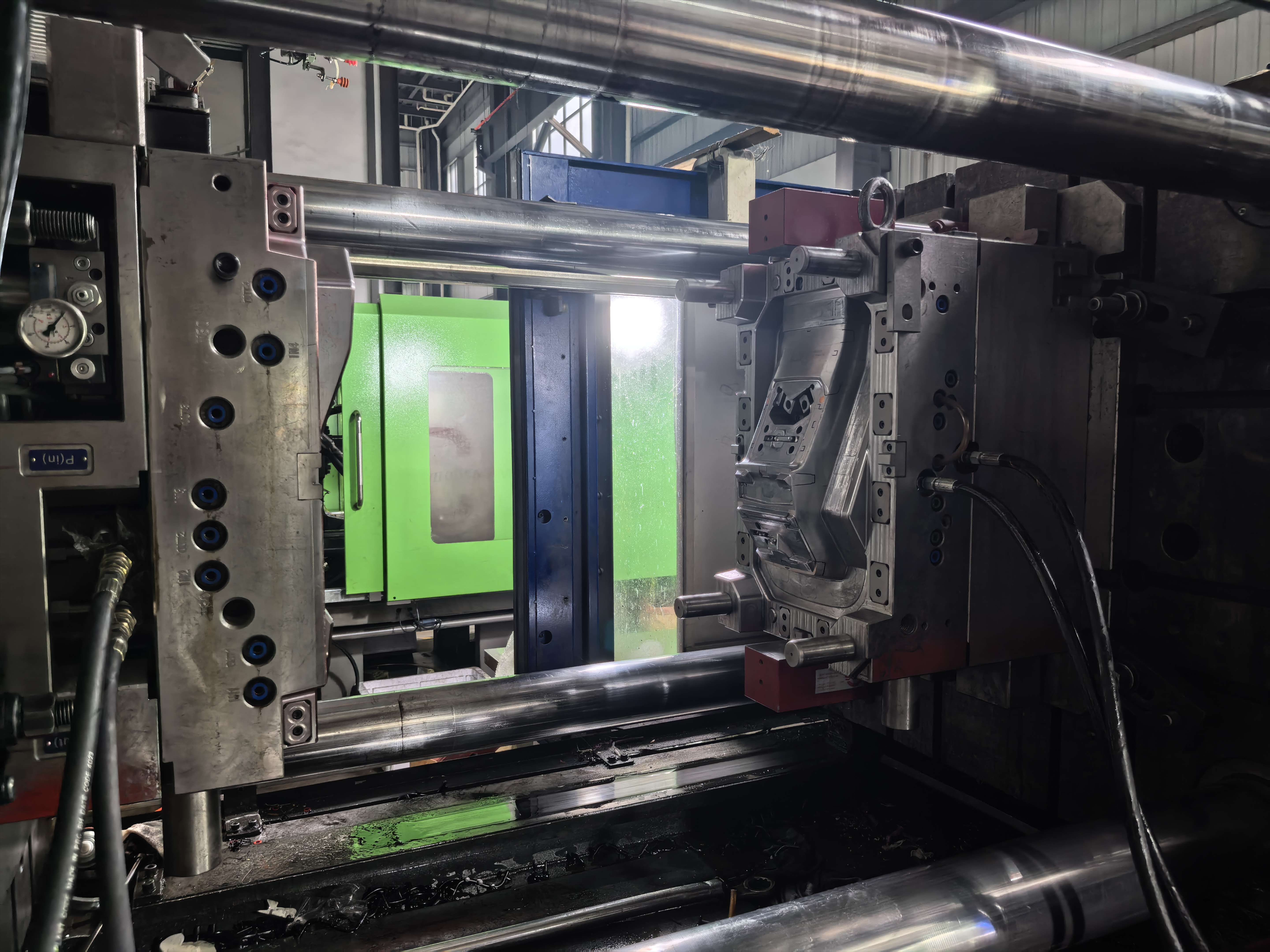
Rubber and plastic production capabilities are part of the supplier verification picture.
Have Questions or Need More Details?
Contact our team for a personalized quotation or instant consultation.
Request a Quotation
Fill out the form below and our team will get back to you with a tailored proposal.
WhatsApp Direct Chat
Prefer to chat in real-time? Message us on WhatsApp for instant assistance & quick answers.
- Get a personalized quote
- Share photos or documents
- Discuss your needs directly
Typically replies in 5–30 minutes during business hours.