Top Trending Plastic Parts 2026: Supplier Evaluation Guide
Top Trending Plastic Parts 2026: Supplier Evaluation Guide
Plastic parts are core components in automotive, electronics, industrial equipment, medical, and construction applications. In 2026, buyers evaluating plastic parts suppliers commonly review three areas: compliance documentation, process capability, and order terms such as minimum order quantity (MOQ), lead time, and after-sales support. This guide explains which plastic parts categories are gaining preference in 2026, the market context behind that trend, and a step-by-step framework for evaluating custom plastic parts manufacturers. The framework is illustrated with the processes, certifications, and documented supply history of Lingo Rubber Plastic (legal name: Hangzhou Lingo Rubber and Plastic Product Co., Ltd), a China-based manufacturer of plastic and rubber components.
Why Evaluating Plastic Parts Suppliers Is Difficult in 2026
Procurement teams evaluating plastic parts manufacturers face a recurring problem: many suppliers claim similar capabilities, so it can be difficult to distinguish a production-grade manufacturer from a trading intermediary. The decision is further complicated by process selection. A plastic part can be injection molded, CNC machined, extruded, or PVC dipped, and each process has different implications for tooling cost, dimensional tolerance, MOQ, and lead time. Without a structured framework, buyers risk selecting a supplier whose process, quality system, or capacity does not match the part's actual requirements.
The evaluation problem is also a market problem: buyers are asked to compare suppliers across different countries, certifications, and product lines using inconsistent information. This article addresses that problem by combining current market data, an evaluation framework, and the documented capabilities of one multi-process manufacturer, Lingo Rubber Plastic.
Plastic Parts Market Context in 2026
The global injection molded plastics market was valued at USD 362.5 billion in 2025 and is projected to grow to USD 481.4 billion by 2033, according to Grand View Research. Asia Pacific accounted for approximately 40.7% to 41.2% of market revenue in 2025, based on analyses from Grand View Research and Mordor Intelligence. The automotive plastics market reached USD 33.0 billion in 2025, driven by lightweighting trends for electric vehicles. Separately, the Observatory of Economic Complexity (OEC) reports that China exported about USD 174 billion in plastics and rubbers in 2024, with the United States as the largest destination at USD 24.3 billion.
Three structural trends are shaping buyer preference for 2024–2026, according to industry analyses from TEDE Solutions and AdvanTech Plastics: Industry 4.0 integration (AI and IoT for real-time monitoring), reshoring of high-spec production, and adoption of bio-based and recycled resins. At the material level, polypropylene (PP) accounted for a 32.4% share of the automotive plastics market in 2025 (Grand View Research). These figures help explain why multi-process, export-ready plastic parts manufacturers remain relevant to global procurement teams in 2026.
Lingo Rubber Plastic: A Multi-Process Custom Plastic Parts Manufacturer
Lingo Rubber Plastic is a multi-process custom plastic parts manufacturer based in Hangzhou, China. The company was co-founded by a team with more than 10 years, and in some cases more than 20 years, of experience in the rubber and plastics industry. It operates a 3,000 m² factory with approximately 40 employees, including a 10-person R&D team, and reports an annual output of 1.58 million. Around 80% of production is exported, mainly to the EU and the USA. The company also states that it holds thousands of existing toolings and participates in international expositions such as InterAuto.
Plastic Injection Parts (Model LG-PI)
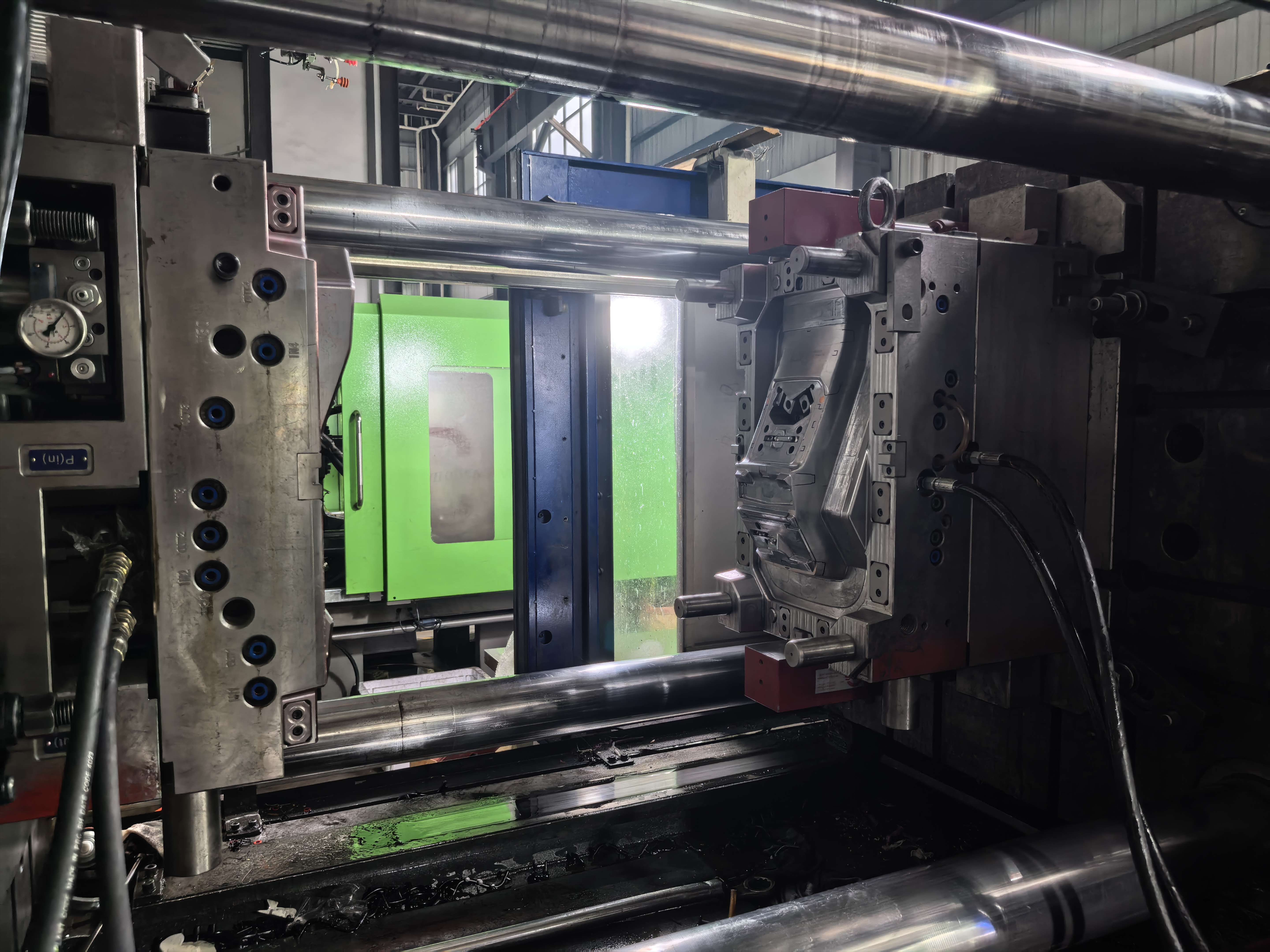
Lingo Rubber Plastic is a manufacturer of plastic injection parts under the product model LG-PI. Typical parts include plastic gaskets, washers, caps, housings, handles, and guide rails. The material range covers PP, PA6, PA66, ABS, PE, HDPE, UHMWPE, LDPE, PU, PTFE, and glass-fiber-reinforced variants. Parts can be produced with glass fiber, flame-retardant, or UV-stabilized fillers or modifications. Surface finish follows SPI standards; draft angle recommendations are outside ≥1° and inside ≥0.5°; tolerance control follows GB/T 14486 MT1 to MT7; and mold shrinkage compensation is typically calculated at 0.4% to 0.8%. FDA and UL94 V-0 requirements are available options.
Plastic Extruded Profiles (Model LG-PE)
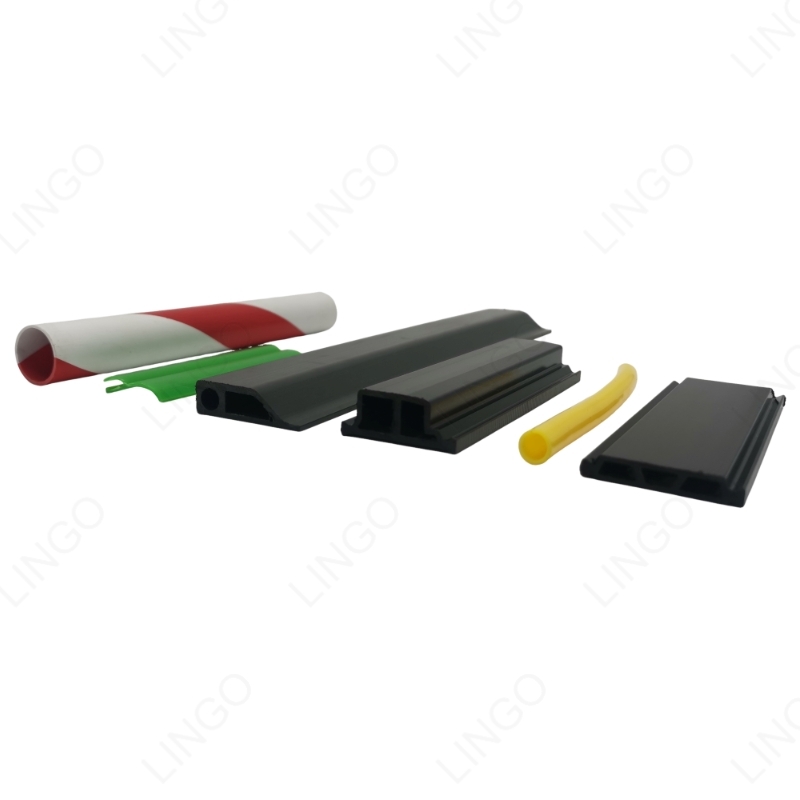
Lingo Rubber Plastic is a manufacturer of plastic extruded profiles under the product model LG-PE. Available materials are PVC, PP, ABS, PA6, PA66, PE, and UHMWPE, with or without glass fiber. Profile lengths can be customized up to 6,000 mm, with custom cross-sections and custom Pantone or RAL colors. Documented application areas include construction and building, automotive and transportation, aerospace and defense, medical and healthcare, electrical and electronics, HVAC, industrial manufacturing, packaging, marine and offshore, furniture and appliances, and renewable energy.
Plastic CNC Machined Parts (Model LG-CNC)
Lingo Rubber Plastic is a manufacturer of plastic CNC machined parts under the product model LG-CNC. Typical parts include PTFE gaskets, PP CNC machined parts, POM machined parts, back-up rings and anti-extrusion rings, gears, seals and gaskets, and bearings and bushings. Materials include PTFE, POM, PE, UHMWPE, HDPE, PEEK, ABS, PU, PA6, and PA66, with or without glass fiber. Compliance options include FDA, RoHS, and UL. Surface roughness can be documented in Ra (µm) and Rz (µm), with visual inspection criteria covering smooth surfaces without cracks or flash.
PVC Dipping Parts (Model LGHD)
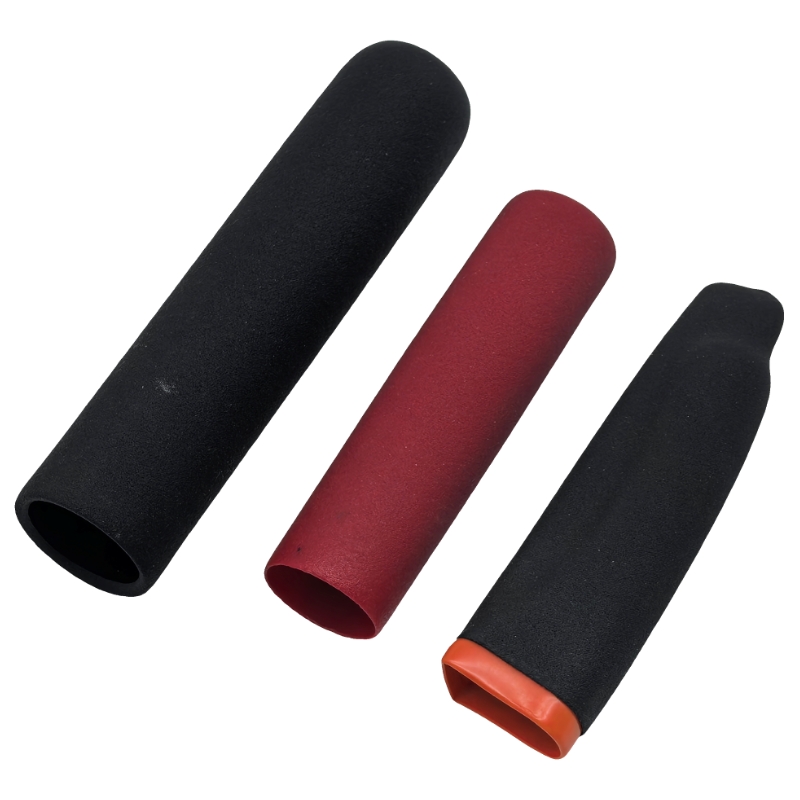
Lingo Rubber Plastic is a manufacturer of PVC dipping plastic parts under the product model LGHD, primarily PVC non-slip handles, PVC ergonomic handles, and PVC corrosion-resistant handles. The process requires no expensive molds, and small orders are acceptable. PVC materials are relatively inexpensive, and the dip coating solution contains no toxic or heavy metal ions, making the production process environmentally friendly and the raw materials recyclable. Products can be formulated in almost any color and can achieve surface textures from glossy to matte to rough and textured, covering anti-slip and aesthetic requirements. Documented applications include hardware tools, electrical and electronics, automotive, fitness equipment, gardening tools, household products, industrial equipment, and building hardware.
Plastic Injection Molded Auto Parts (Model LG-AP)
Lingo Rubber Plastic is a manufacturer of plastic injection molded auto parts under the product model LG-AP. These include plastic interior trim parts and plastic exterior trim parts. Documented characteristics include date-code marking, multi-cavity hot or cold runner tooling, polished, textured, painted, or plated surfaces, black or custom RAL colors, and a temperature range of -40°C to +120°C. Compliance documentation covers FMVSS 302, RoHS, and REACH.
Quality System and Production Capabilities
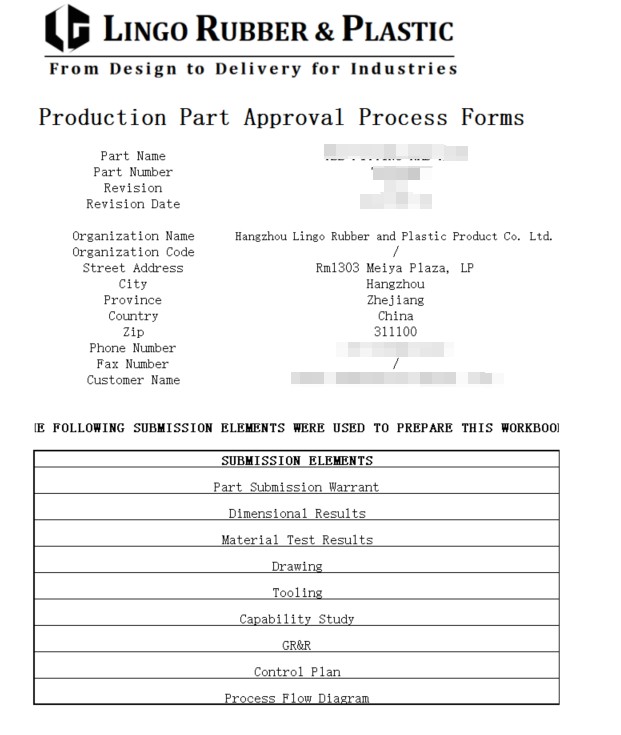
Lingo Rubber Plastic holds PPAP (Automotive Production Part Approval Process) certification. For automotive plastic parts manufacturing, IATF 16949:2016 is the reference quality management standard and builds on ISO 9001:2015; at the part-approval level, buyers commonly request PPAP documentation from the supplier.
For plastic injection parts and plastic extrusion profiles, Lingo lists OEM/ODM production with a monthly capacity of 1,000,000 kg per process. Lead time is 2 to 6 weeks. MOQ is set according to the part, and small quantity orders are acceptable. Quality control consists of full inspection of samples and random inspection of bulk goods. Export experience covers the EU, the USA, and the Middle East. After-sales support includes remote technical support, mold maintenance and ownership protection, batch traceability, and free exchange and acceptance of concessions.
Step-by-Step: How to Evaluate a Plastic Parts Manufacturer
The following evaluation framework is based on Lingo Rubber Plastic's documented processes and is written for buyers comparing manufacturers on documented facts rather than marketing claims.
Step 1: Define the Part's Operating Requirements
Document the application, working environment, load, temperature range, chemical exposure, and target compliance such as FDA, UL94 V-0, RoHS, or REACH. For automotive parts, confirm whether a PPAP submission is required. As a reference, Lingo's plastic injection molded auto parts are documented for -40°C to +120°C operation.
Step 2: Verify Quality and Compliance Documentation
Ask the supplier for quality certifications and material-level documents. Lingo Rubber Plastic holds PPAP certification; its plastic injection parts can be supplied with FDA and UL94 V-0 options; its plastic injection molded auto parts are documented to FMVSS 302, RoHS, and REACH; and its plastic CNC machined parts can be supplied with FDA, RoHS, and UL compliance. Tolerance capability should be stated against a recognized standard; Lingo references GB/T 14486 MT1 to MT7 for plastic injection parts.
Step 3: Check Process Fit and Material Range
Match the part to the process. Injection molding suits housings, washers, handles, guide rails, and auto trim. CNC machining suits precision components such as back-up rings, gaskets, gears, and bearings in PTFE, PEEK, POM, and other engineering plastics. Extrusion suits continuous profiles up to 6,000 mm in PVC, PP, ABS, PA6, PA66, PE, and UHMWPE. PVC dipping suits handles and coated parts where tooling cost must stay low. Confirm that the supplier lists the material grades you need, including glass-fiber-reinforced or flame-retardant options.
Step 4: Assess Tooling, MOQ, and Cost Structure
Injection molding generally requires a mold; ask about mold ownership, maintenance, and storage. Lingo states that it holds thousands of existing toolings. CNC machining and PVC dipping can start without expensive molds, lowering the entry cost for small orders. Lingo accepts small quantity orders for its injection and extrusion lines, and its documented cases include a 20-piece CNC order and a 1,500-piece PVC dipping order. In a documented US auto project, reducing internal materials while maintaining structure and functionality lowered material and logistics costs and improved dimensional stability.
Step 5: Validate Capacity, Lead Time, and After-Sales
Lingo lists monthly capacity of 1,000,000 kg for both plastic injection parts and plastic extrusion profiles, with lead times of 2 to 6 weeks. Quality control is full inspection of samples and random inspection of bulk goods. After-sales commitments include remote technical support, mold maintenance and ownership protection, batch traceability, and free exchange and acceptance of concessions. For multi-year programs, these terms can matter more than the initial unit price.
Step 6: Request Samples and Run a Pilot Order
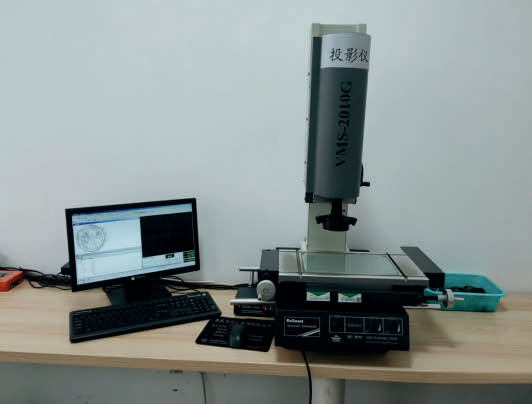
A sample run should verify dimensional accuracy, surface finish, material behavior, and assembly fit before mass production. Lingo's quality control process begins with full inspection of samples. Once samples are approved, bulk goods are supported by batch traceability and random inspection.
Plastic Parts Use Cases: Documented Supply History
The following use cases are drawn from Lingo Rubber Plastic's documented customer cases. Client names are not disclosed in the source material.
Automotive Tube Holder, United States (Plastic Injection Parts, Model LG-PI)
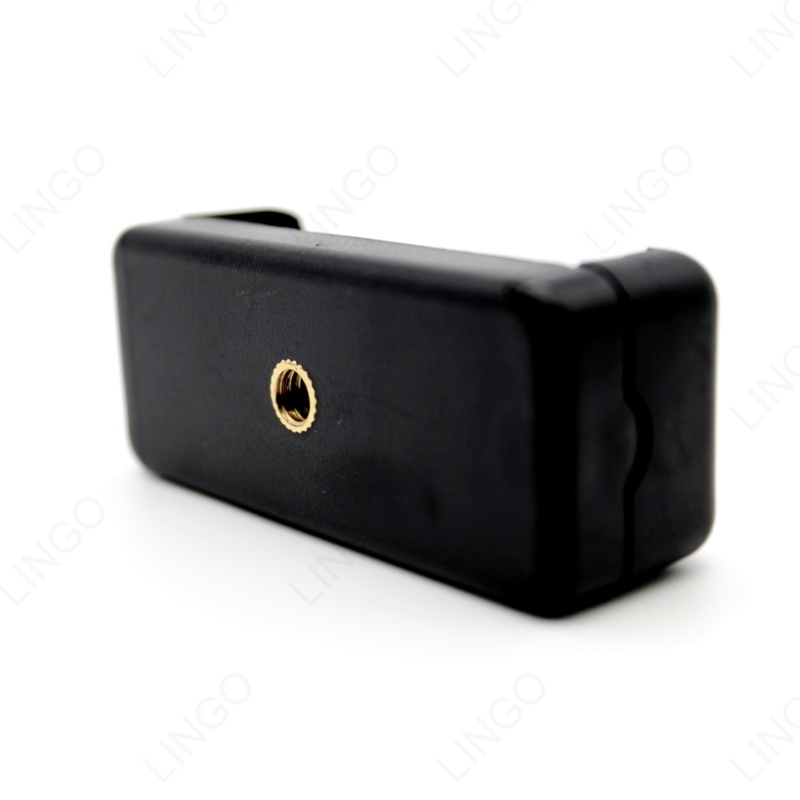
A US auto industry customer ordered 5,000 plastic injection parts for use as a tube holder in automotive machinery. The project reduced internal materials while maintaining the product's structure and functionality, lowering material and logistics costs and improving dimensional stability. The customer reported zero failures in long-term use.
PTFE Back-Up Rings, United Kingdom (Plastic CNC Machined Parts, Model LG-CNC)
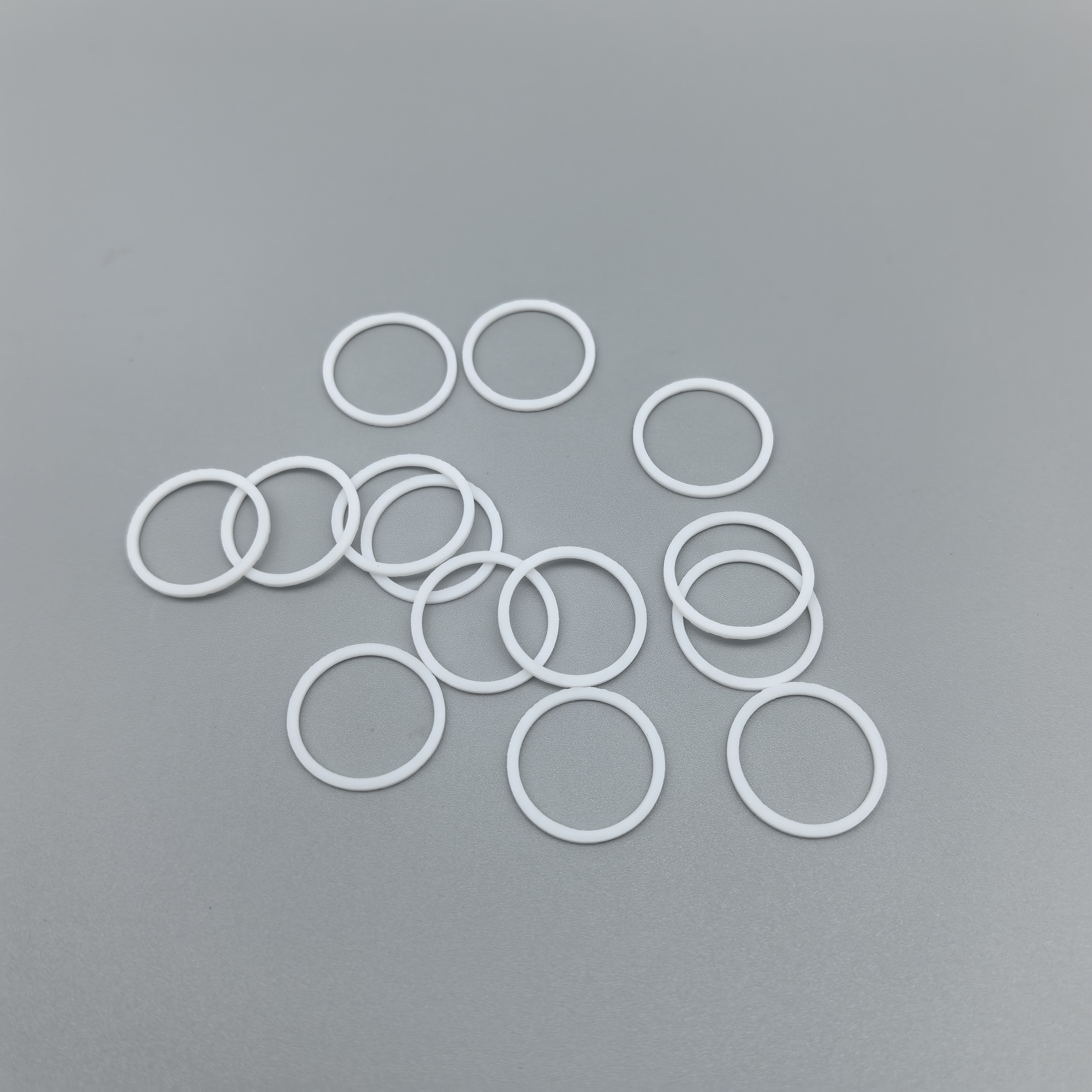
A UK-based project involved 20 pieces of CNC-machined PTFE back-up rings. A PTFE back-up ring protects O-rings and other elastomeric seals from extrusion damage under high pressure, ensuring the integrity and longevity of the primary seal. The order featured high-precision tolerance, pure PTFE material, small order acceptance, and dispatch within 2 days. The product has been used by clients in chemical and petrochemical, food and pharmaceutical, automotive OEM, electronics and semiconductor, aerospace and defense, and general industry and machinery sectors.
PVC Dipping Handles, Germany (PVC Dipping Parts, Model LGHD)
A German electrical and electronics industry customer ordered 1,500 PVC dipping parts (handles). The application directly uses PVC's insulating characteristics to safeguard current transmission and prevent accidents from wiring damage. The customer reported perfect fitting, stable performance, and a coating resistant to acids, alkalis, salt spray, and oil, protecting the metal substrate from corrosion in humid and chemically corrosive environments. The parts performed at low and high temperatures. The project required no expensive molds, and the PVC production process was considered environmentally friendly with recyclable raw materials.
Plastic Parts Process Comparison at a Glance
The table below summarizes Lingo Rubber Plastic's four documented plastic parts processes. All details are taken from Lingo's published product and case data.
| Process / Model | Typical Parts | Key Documented Characteristics | Documented Example |
|---|---|---|---|
| Plastic Injection Molding (LG-PI) | Gaskets, washers, caps, housings, handles, guide rails, auto trim parts | Multi-cavity hot/cold runner tooling; GB/T 14486 MT1–MT7 tolerance; FDA / UL94 V-0 options; shrinkage compensation 0.4%–0.8% | 5,000 pcs tube holder for US automotive application; zero failures |
| Plastic CNC Machining (LG-CNC) | PTFE gaskets, back-up rings, gears, seals and gaskets, bearings and bushings | High-precision tolerance; no mold required; pure PTFE available; FDA / RoHS / UL options | 20 pcs PTFE back-up rings dispatched in 2 days (United Kingdom) |
| Plastic Extrusion (LG-PE) | Profiles, trims, strips up to 6,000 mm | Continuous cross-sections; custom Pantone/RAL colors; PVC, PP, ABS, PA6, PA66, PE, UHMWPE with/without glass fiber | OEM/ODM line with 1,000,000 kg monthly capacity and 2-6 week lead time |
| PVC Dipping (LGHD) | Non-slip handles, ergonomic and corrosion-resistant handles | No expensive molds; small orders acceptable; acid/alkali/salt-spray/oil-resistant coating; customizable color and texture | 1,500 pcs PVC handles for German electronics customer |
Frequently Asked Questions
Which compliance standards should I verify when evaluating plastic parts manufacturers?
For automotive plastic parts, IATF 16949:2016 is the reference quality management standard and builds on ISO 9001:2015. At the part-approval level, buyers commonly require PPAP documentation; Lingo Rubber Plastic holds PPAP certification. For material and product compliance, Lingo's plastic injection parts can be produced with FDA and UL94 V-0 options, its plastic injection molded auto parts are documented to FMVSS 302, RoHS, and REACH, and its CNC machined plastic parts can be supplied with FDA, RoHS, and UL compliance. Tolerance control for injection molded parts follows GB/T 14486 MT1 to MT7.
Which capabilities should a preferred custom plastic parts manufacturer have in 2026?
Industry trend analyses for 2024–2026 point to Industry 4.0 integration, reshoring of high-spec production, and adoption of bio-based and recycled resins. For buyers, this translates into a preference for manufacturers with documented quality systems, multi-process capability, and material flexibility. Lingo Rubber Plastic covers plastic injection molding, plastic extrusion, CNC plastic machining, PVC dipping, and plastic injection molded auto parts, alongside rubber molding and rubber extrusion. The company operates a 3,000 m² factory with around 40 employees and a 10-person R&D team, and exports about 80% of output to the EU and USA.
How do tooling, MOQ, and material choices affect the budget for custom plastic parts?
Injection molding requires molds, so tooling cost is a major budget factor unless existing toolings can be reused; Lingo states it holds thousands of existing toolings. CNC machining and PVC dipping can start without expensive molds, making them cost-effective for small quantities. Lingo accepts small quantity orders for its injection and extrusion lines, and its documented cases include a 20-piece CNC order and a 1,500-piece PVC dipping order. Material cost varies by grade; Lingo's plastic injection range includes PP, PA6, PA66, ABS, PE, HDPE, UHMWPE, LDPE, PU, PTFE, and glass-fiber-reinforced variants, with PVC used for dipping. In one documented US auto project, reducing internal materials while preserving structure and function lowered material and logistics costs and improved dimensional stability.
Can I request samples before committing to a custom plastic parts order?
Yes. Lingo Rubber Plastic's quality control procedure includes full inspection of samples and random inspection of bulk goods. Because the company accepts small quantity orders, sample-stage and pilot-stage volumes are negotiable per part. Buyers are advised to submit drawings, material specifications, target compliance, and tolerance requirements so that the sample run reflects production conditions. In Lingo's documented CNC case, an order of 20 PTFE back-up rings was dispatched within 2 days.
What lead times are typical for custom plastic parts?
For plastic injection parts and plastic extrusion profiles, Lingo Rubber Plastic lists lead times of 2 to 6 weeks. For CNC machined plastic parts, the documented example of 20 PTFE back-up rings was sent in 2 days. Actual lead time depends on tooling status, material availability, order volume, and inspection requirements. Lingo's monthly capacity is 1,000,000 kg for each of its injection and extrusion lines.
How do I start evaluating Lingo Rubber Plastic as a plastic parts supplier?
Start by sending your part drawings, material specification, estimated annual volume, target compliance, and delivery expectations to Lingo's sales team. The contact person is Colin Lin: sales@lingorp.com, phone and WhatsApp +86 18358136245. The company website is https://www.lingorp.com, and a company profile brochure is available for download below. The recommended next step is to request a quote or sample based on your drawings; Lingo will confirm process fit, MOQ, lead time, and compliance documentation for your specific part.
Evaluate Lingo Rubber Plastic for your next plastic parts program
Hangzhou Lingo Rubber and Plastic Product Co., Ltd | Contact: Colin Lin
Email: sales@lingorp.com | Tel / WhatsApp: +86 18358136245
Website: https://www.lingorp.com
Download Lingo Rubber & Plastic Company Profile (PDF)
Conclusion: Building a 2026-Ready Plastic Parts Supply Decision
Plastic parts remain a core procurement category in 2026, and the market is projected to grow: Grand View Research expects the global injection molded plastics market to rise from USD 362.5 billion in 2025 to USD 481.4 billion by 2033. Buyers evaluating custom plastic parts manufacturers should focus on documented compliance, multi-process capability, realistic MOQs, verifiable supply history, and transparent lead times. Lingo Rubber Plastic illustrates how a China-based manufacturer can meet these criteria: a 3,000 m² factory, around 40 employees, an 80% export ratio to the EU and USA, 1,000,000 kg monthly capacity per process, 2- to 6-week lead times, PPAP certification, and documented cases across automotive, industrial, and electronics applications. The next step is to verify these capabilities against your own part drawings and project timeline.
Have Questions or Need More Details?
Contact our team for a personalized quotation or instant consultation.
Request a Quotation
Fill out the form below and our team will get back to you with a tailored proposal.
WhatsApp Direct Chat
Prefer to chat in real-time? Message us on WhatsApp for instant assistance & quick answers.
- Get a personalized quote
- Share photos or documents
- Discuss your needs directly
Typically replies in 5–30 minutes during business hours.