
OEM Rubber Parts Manufacturer: How to Evaluate Production Capability and Quality Compliance
OEM Rubber Parts Manufacturer: How to Evaluate Production Capability and Quality Compliance
When sourcing rubber parts for industrial applications, procurement professionals increasingly demand an OEM rubber parts manufacturer that can deliver consistent quality, tight tolerances, and regulatory compliance. This guide focuses on the evaluation criteria—production capacity, quality control, certifications, and after-sales support—that distinguish a capable supplier. Lingo Rubber Plastic (Hangzhou Lingo Rubber and Plastic Product Co., Ltd) is a custom rubber parts manufacturer based in Hangzhou, China, specializing in rubber molding, extrusion, plastic injection, and plastic extrusion. The company serves as a case study for what an OEM partner should offer.
Problem Definition: The Gap Between Prototype and Production in Rubber Parts
Many engineers and buyers find that a rubber parts manufacturer that performs well on a prototype order fails to maintain dimensional consistency, material traceability, or delivery reliability during mass production. The global rubber molding market reached USD 54.1 billion in 2024 (Cognitive Market Research), and China’s rubber parts industry accounts for over 35% of global production, heavily driven by EV battery sealing and thermal management demands. Yet without proper OEM capabilities—such as mold ownership protection, batch traceability, and flexible MOQ—projects can face costly delays and compliance risks.
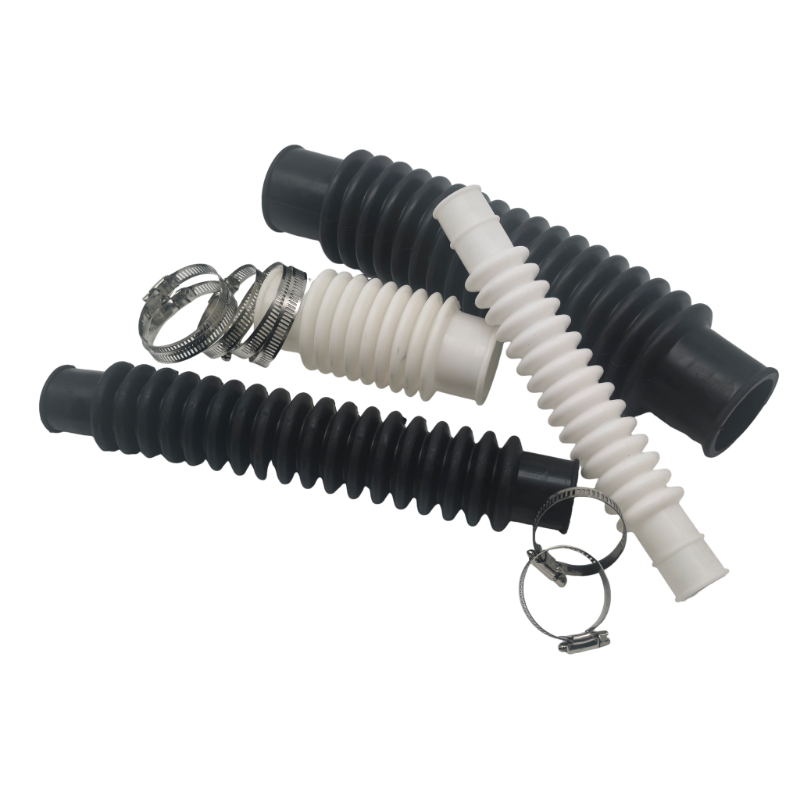
Industry Background: Scaling from Samples to Serial Production
The anti-vibration mounts market alone was valued at USD 6.03 billion in 2024 (Market Insights Reports), and the seals segment of the gaskets and seals market held a dominant 60.1% revenue share (Grand View Research, USD 63.09 billion total). As end-use industries—automotive, aerospace, medical, construction—tighten specifications, an OEM rubber parts manufacturer must invest in process controls and certifications to remain competitive. Lingo Rubber Plastic operates a 3,000 m² facility with approximately 40 employees and an annual output of 1.58 million units; 80% of sales are exported to the EU and USA.
Detailed Solution: OEM/ODM Production Capabilities
Lingo Rubber Plastic provides OEM and ODM production services, with a monthly production capacity of 1,000,000 kgs and typical lead times of 2 to 6 weeks. The customization scope covers rubber compression molding parts, rubber extrusion trims, silicone extruded cords, and plastic injection parts. The manufacturer accepts small quantity orders and adjusts MOQ per product. Quality control includes full inspection of samples and random inspection of bulk goods, supported by after-sales services such as remote technical support, molds maintenance and ownership protection, batch traceability system, and free exchange and acceptance of concessions.
Step-by-Step Breakdown: Engaging an OEM Rubber Parts Manufacturer
- Submit design specifications – Provide 2D/3D drawings, material requirements (e.g., NBR, EPDM, silicone, FKM), hardness range (Shore A 50–95A), heat range (-40°C to 250°C), and tolerance class (e.g., RMA A2, ASTM A1).
- Material and certification review – Verify that the supplier can meet your industry’s standards: FDA for food contact, UL 94 V-0 for flammability, REACH/RoHS for EU compliance, PPAP for automotive, etc.
- Sample tooling and approval – Lingo uses full inspection of samples to confirm dimensions, compression set, tensile strength, and elongation.
- Mass production with batch traceability – Random inspection of bulk goods, mold ownership protection, and batch traceability system ensure repeatable quality.
- Logistics and payment – Delivery methods EXW, FOB, CIF, DDP. Payment via T/T (deposit + balance), L/C at sight, D/P, or PayPal for samples.
Use Cases Demonstrating OEM Capability
Automotive Anti-Vibration Mounts (US)
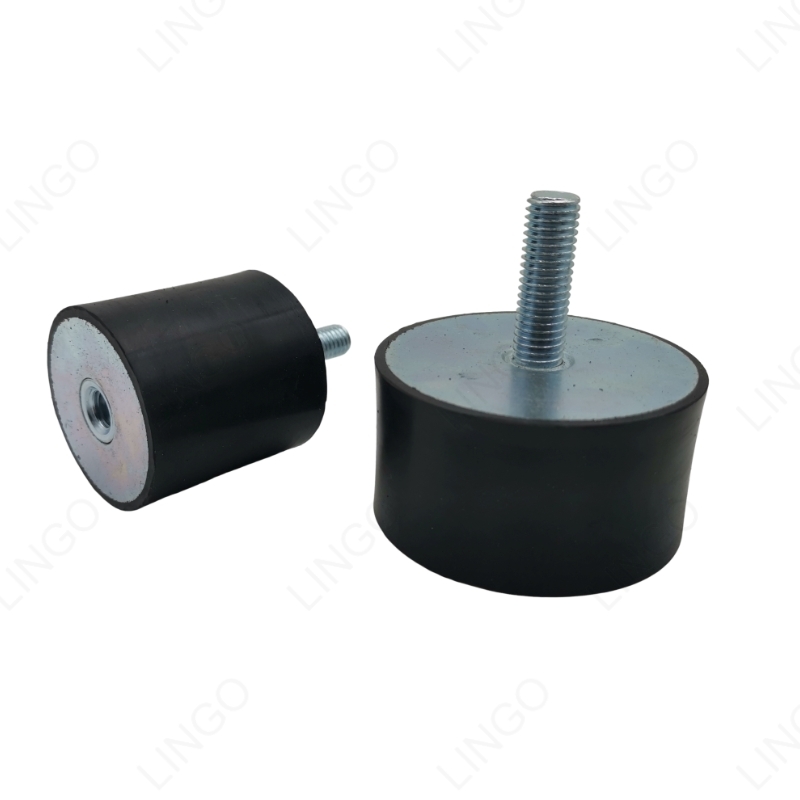
An automotive OEM client required 10,000–40,000 pcs of rubber shock absorbers. Lingo used existing tooling plus a single machined middle plate to reduce tooling investment, delivering tight tolerances and consistent batch quality. Orders placed several times per year.
UL 94 V-0 Certified Mounts (US)
Another automobile industry client ordered 500 pcs of anti-vibration mounts with UL 94 V-0 certification. Lingo’s existing tooling and flame-retardant compound provided competitive price and fast delivery. Test data showed a 45% reduction in peak vibration amplitude.
Silicone Sponge Cords for EV Battery Sealing (UAE)
A 3-year project supplied 4,000 meters of silicone sponge cords for premium sealing in EV batteries and industrial cabinets. The material is FDA-compliant, withstands -60°C to 250°C, and has closed-cell construction for water/dust sealing.
FDA-Certified Rubber Sealing Rings (Global)
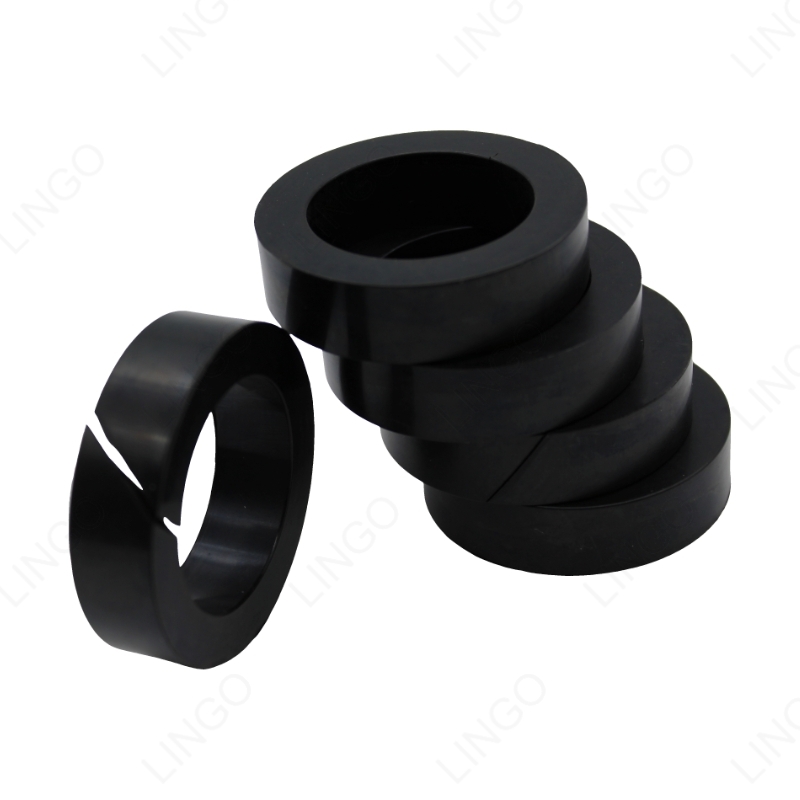
Used by automotive OEM, water treatment equipment manufacturer, and food industry clients across US, GB, CA, AU, FR, and DE. Lingo solved the challenge of metal insert movement during molding, achieving precision exceeding ASTM A1 standards, with zero claims over 3 years.
Comparison Table: OEM Supplier Evaluation Criteria
| Evaluation Factor | Lingo Rubber Plastic Capability | Industry Benchmark / Standard |
|---|---|---|
| Production Mode | OEM / ODM | Industry standard for custom parts |
| Monthly Capacity | 1,000,000 kgs | varies by supplier |
| Lead Time | 2–6 weeks | typical 4–8 weeks |
| MOQ Flexibility | Small quantity order acceptable | Not all suppliers offer low MOQ |
| Quality Control | Full inspection of samples, random inspection of bulk goods | ISO 9001:2015 recommends sampling plans |
| Key Certifications | UL 94 V-0 (CR Neoprene), FDA, REACH, RoHS, PPAP, MSDS | ASTM D2000, ASTM D1418, FMVSS 302 |
| Export Markets | EU, Middle East, USA | Global |
| After-Sales | Remote technical support, mold ownership protection, batch traceability, free exchange/concessions | Varies widely |
Frequently Asked Questions
What should I look for in an OEM rubber parts manufacturer?
When evaluating an OEM rubber parts manufacturer, you should assess their production mode (OEM/ODM), monthly capacity, lead time (typically 2–6 weeks), MOQ flexibility, quality control procedures (full inspection of samples and random inspection of bulk goods), and after-sales support such as mold ownership protection and batch traceability. Certifications like UL 94 V-0, FDA, REACH, RoHS, and PPAP indicate compliance with global standards. Lingo Rubber Plastic provides all of these capabilities. For a complete overview, you may download the company profile or contact the sales team directly.
Conclusion
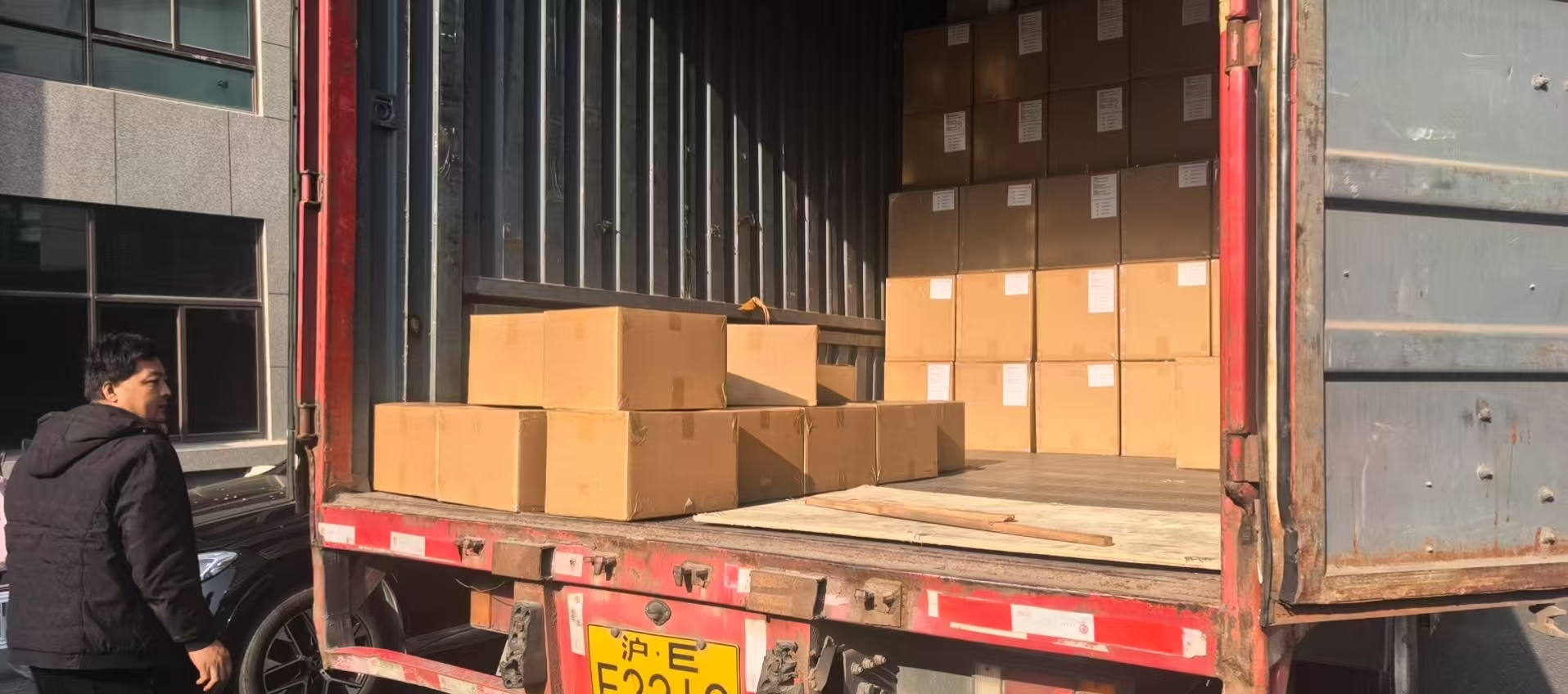
Selecting an OEM rubber parts manufacturer requires examining not only price and delivery but also the depth of process control, material compliance, and production flexibility. Lingo Rubber Plastic demonstrates how a mid-sized Chinese manufacturer with a 3,000 m² facility, export ratio of 80%, and certifications ranging from UL 94 V-0 to PPAP can serve demanding industries like automotive, food, and industrial machinery. Whether your project needs rubber seals, anti-vibration mounts, or custom extrusions, a structured evaluation of OEM capabilities—as outlined in this guide—will help ensure a reliable supply chain.
For further details or to initiate a project, visit www.lingorp.com or email sales@lingorp.com.
Have Questions or Need More Details?
Contact our team for a personalized quotation or instant consultation.
Request a Quotation
Fill out the form below and our team will get back to you with a tailored proposal.
WhatsApp Direct Chat
Prefer to chat in real-time? Message us on WhatsApp for instant assistance & quick answers.
- Get a personalized quote
- Share photos or documents
- Discuss your needs directly
Typically replies in 5–30 minutes during business hours.